
Charities Close and Officials Step Back After New Epstein Files Are Released
Charities have begun shutting down and public figures are stepping aside after a new tranche of Jeffrey Epstein–related documents was released by the U.S. Department of Justice.
The disclosures did not introduce new criminal charges, but they have triggered immediate institutional responses as organisations move to limit exposure.
In both the U.K. and the U.S., bodies linked—directly or indirectly—to names appearing in the files are acting before courts or prosecutors reach new conclusions.
Over the past several days, new releases from the U.S. Department of Justice related to Jeffrey Epstein have begun to alter how organisations respond, even though no new legal conclusions have been reached. Charities are closing, political figures are stepping aside, and law enforcement bodies are publicly acknowledging reviews that did not exist before.
What has changed is not the legal status of the individuals named. What has changed is the cost of waiting.
The latest tranche of documents, part of the largest release of Epstein-related material to date, has placed renewed pressure on organisations connected—directly or indirectly—to names appearing in the files. The material includes emails, videos, and records that, while not themselves determinations of wrongdoing, have re-opened questions many institutions believed were settled.
That procedural reality matters now because the system is moving ahead of the courts.

The Palace of Westminster in London, where renewed scrutiny has followed revelations contained in the latest release of Jeffrey Epstein–related documents.
In the UK, a charity associated with Sarah Ferguson announced it would close “for the foreseeable future,” citing internal discussions that had already been underway.
The timing, however, followed closely behind renewed attention to messages believed to be from Ferguson that appeared in the newly released files. The announcement did not allege criminal conduct. It did not reference legal findings. It acknowledged reputational strain that had become operational.
That distinction is becoming central to this phase.
Institutions are not acting because guilt has been established. They are acting because exposure has widened and timelines have compressed. Once material enters public circulation at this scale, organisations face pressure from funders, partners, and regulators to demonstrate distance or control, even in the absence of formal accusations.
The same pattern is visible in politics. Former officials named in communications with Epstein have faced renewed scrutiny, prompting resignations, public statements, and calls for accountability. In several cases, figures have stepped back from roles not because of new charges, but because the appearance of association has become harder to manage.
Waiting now carries its own cost.
Law enforcement responses illustrate the same dynamic. The Metropolitan Police in London confirmed it had received multiple reports alleging potential misconduct in public office related to the new disclosures and said those reports were being assessed. The statement did not announce investigations or charges. It acknowledged procedural intake—an important threshold in itself.
Once a police force publicly confirms it is assessing allegations, the environment shifts. Media attention intensifies. Institutional partners reassess risk. Silence becomes harder to maintain.
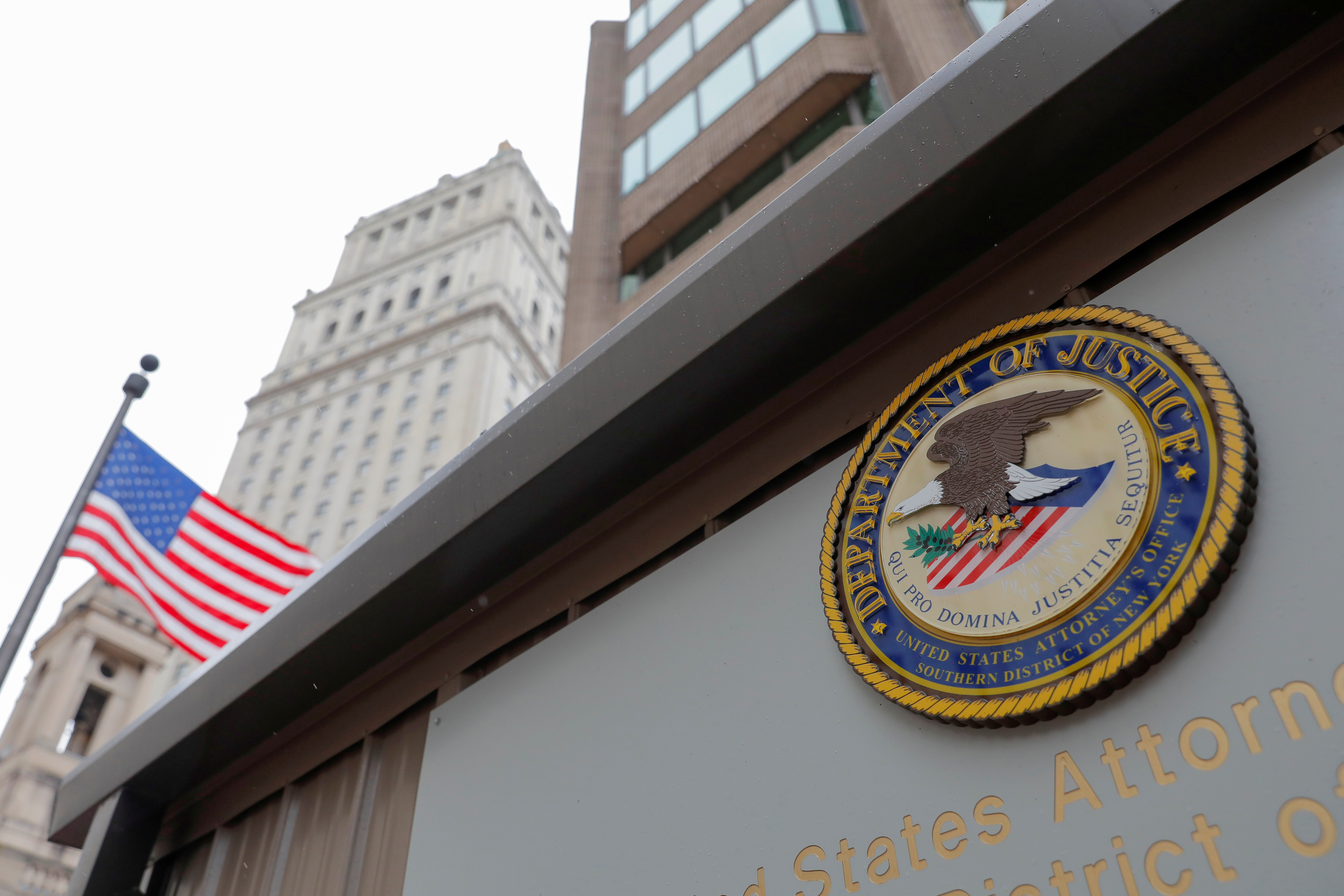
The U.S. Department of Justice in Washington, D.C. The department released a new tranche of documents related to the Jeffrey Epstein investigation, prompting renewed scrutiny of individuals and institutions referenced in the files.
In the United States, members of Congress have signalled a willingness to pursue testimony from individuals named in the files, warning that cooperation may reduce future exposure. Again, no charges have been filed. But the mechanism of pressure has changed. The question is no longer whether wrongdoing has been proven, but whether institutions believe further disclosures are likely.
That uncertainty is driving action.
The Epstein files differ from previous disclosures in scale and sequencing. Millions of documents have been released in stages, creating a rolling effect rather than a single moment of impact. Each new batch reactivates attention, forces reassessment, and prevents the story from settling.
This creates a sustained pressure environment rather than a spike.
For organisations, that matters more than any single document. Charities rely on donor confidence. Political institutions rely on legitimacy. Public bodies rely on trust. None of those wait for final court outcomes before responding to perceived risk.
As a result, actions that once would have followed findings are now preceding them.
The files themselves contain a mixture of verified communications, redacted material, and unsubstantiated claims. Being named does not equate to wrongdoing, a point repeatedly acknowledged by legal experts and authorities. But institutions are not calibrated solely to legal thresholds. They are calibrated to reputational tolerance.
That tolerance has narrowed.
Each additional disclosure increases the likelihood that further connections will surface, even if those connections do not amount to crimes. For organisations already operating under scrutiny, the risk is cumulative. Association compounds. Delay compounds. Silence compounds.
This is why responses are accelerating.
The closure of a charity, the resignation of a political figure, or the confirmation of a police review does not resolve the underlying questions raised by the files. It does something else. It reduces immediate exposure for the institution involved. It signals responsiveness. It creates distance before distance is demanded.
That logic explains why movement is occurring before outcomes.
The effect extends beyond those directly named. Institutions adjacent to the story—governments, law enforcement agencies, regulatory bodies—are being forced to clarify positions simply to demonstrate awareness. Statements confirming reviews or assessments serve as procedural markers, even when no substantive action has yet been taken.
The public often interprets these markers as escalation, even when they are not. But perception itself now carries weight.
What makes this phase different from earlier moments in the Epstein saga is that it is not driven by new criminal charges or trials. It is driven by renewed documentation and institutional sensitivity shaped by years of criticism over past inaction.
Organisations are acting earlier because they have learned the cost of acting late.
For those outside the institutions involved, the effect is disorienting. The government has not announced prosecutions. Courts have not issued new rulings. Yet tangible consequences are unfolding in real time. Jobs are lost. Charities close. Reputations fracture.
This gap between legal resolution and institutional response is where pressure now sits.
It also explains why the story is unlikely to fade quickly. Each action taken in response to the files generates its own news cycle, independent of legal developments. Each statement prompts further questions. Each review invites scrutiny of what comes next.
Nothing has been decided. But the system is already adjusting.
As authorities continue to process the material and institutions continue to reassess risk, the focus remains on what may emerge rather than what has been concluded. For those named, the uncertainty persists. For organisations linked to them, the calculation is immediate.
Distance now may be cheaper than defence later.
The Epstein files have not produced final answers. What they have produced is movement. And in systems built around trust, movement itself can be consequential.
The legal process remains unresolved. But the institutional response is already underway, reshaping roles, relationships, and responsibilities before any verdict is reached.