Who Controls the Button? The Brutal Battle to Keep AI Out of Combat
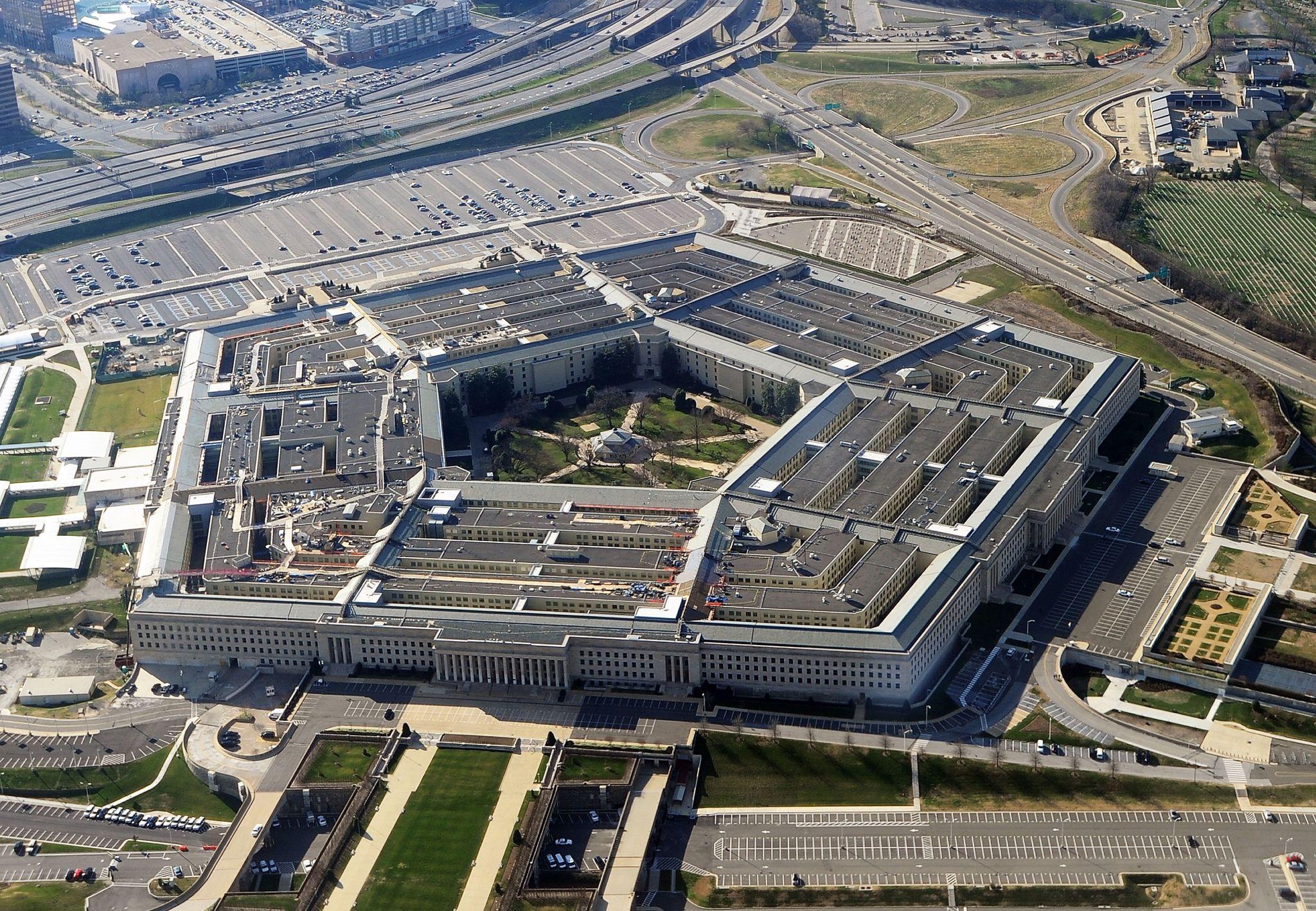
A growing standoff between the Pentagon and Anthropic has pushed a sensitive question into public view: who ultimately controls how artificial intelligence is used when commercial technology meets military power.
The disagreement has quietly raised questions inside government and Silicon Valley about how much control AI companies truly retain once their systems enter military use. While no contract has been cancelled and no policy formally changed, the exposure itself has created pressure — not just for Anthropic, but for a widening group of AI firms now embedded in national security work.
At issue are safeguards Anthropic wants in place to prevent its AI systems from being used for autonomous weapons targeting or domestic surveillance. Pentagon officials, by contrast, have argued they must retain the freedom to deploy commercial AI tools in line with US law, regardless of a company’s internal usage policies.
What Failed to Stay Contained
The clash centres on a contract worth up to $200 million that has left both sides at a standstill. According to people familiar with the discussions, Anthropic raised concerns that its models could be adapted for surveillance of Americans or used in weapons systems without sufficient human oversight.
Pentagon officials have bristled at those limits. Under a January memo outlining AI strategy, defence officials have argued they should be able to deploy commercial AI technology as they see fit, provided the use complies with existing law. That position effectively sidelines company-level guardrails once technology enters government hands.
What has failed here is not a specific safeguard, but the assumption that private-sector ethics frameworks and military imperatives would naturally align. Once that assumption cracked, responsibility became harder to define.
Why Responsibility Now Reaches the Top
For Anthropic’s leadership, the exposure lands at a delicate moment. The San Francisco-based company is preparing for a potential public offering and has invested heavily in presenting itself as a safety-first AI developer. At the same time, it has actively pursued national security contracts, placing itself closer to state power than many of its peers.
That dual positioning creates unavoidable tension. By entering defence relationships, the company gains influence and revenue. But it also inherits reputational risk when its tools approach lethal or coercive use. Even if Anthropic does not directly deploy the technology, its brand becomes associated with outcomes it cannot fully control.
The Pentagon faces its own credibility test. While defence officials emphasise operational necessity, the dispute highlights how little clarity exists around oversight once commercial AI systems are repurposed for military objectives.
Reputational Risk Without a Verdict
The standoff has unsettled parts of Silicon Valley. Some executives worry that once AI tools are embedded in defence systems, corporate assurances about ethical use become largely symbolic. Others argue that disengaging entirely leaves decisions fully in government hands, with even less transparency.
Anthropic’s chief executive, Dario Amodei, has warned publicly that AI should support national defence without pushing democratic societies toward practices associated with authoritarian regimes. That position has earned credibility in parts of the tech sector — but it also raises the stakes if those limits cannot be enforced in practice.
For investors, partners, and future customers, the uncertainty matters precisely because it remains unresolved. There is no breach, no ruling, and no clear line of responsibility yet in place.
The Accountability Gap
The core problem is structural. AI companies design systems with usage constraints, but governments retain sovereign authority once technology is deployed. Contractors rely on cooperation to enforce safeguards, while defence agencies prioritise mission flexibility.
If the technology is later used in ways that draw public backlash, neither side has clearly accepted responsibility for the outcome. That ambiguity — rather than any single decision — is what now sits at the centre of the dispute.
What Happens Next
Talks between Anthropic and the Pentagon are continuing, and neither side has indicated a desire to walk away. But the episode has already signalled that early partnerships between Silicon Valley and the US military will be tested by more than technical performance.
Other AI companies watching closely may reassess how much influence they truly retain once contracts are signed. Defence officials, meanwhile, may seek to lock in greater operational control from the outset.
For leaders on both sides, the exposure has already changed the risk calculus — even if no rules have yet been rewritten.
FAQs
Why does this dispute matter to business leaders?
The standoff shows how quickly reputational risk can surface when commercial technology intersects with government power. For CEOs, it highlights the importance of understanding not just contract terms, but how much control remains once products are deployed.
Who is responsible for how military AI is ultimately used?
There is no single answer. Companies design and train AI systems, while governments control deployment. When safeguards rely on cooperation rather than enforcement, accountability can become blurred.