
Why Are Slip-and-Fall Claims Rising on Jobsites?
Slip-and-fall incidents have always been a recognized risk in construction, manufacturing, warehousing, and other physically demanding industries. What has changed in recent years is the frequency with which these incidents are being reported, litigated, and scrutinized at the executive level. CEOs, risk managers, and insurers are increasingly focused on slip-and-fall claims because they now represent a growing share of workplace injury costs, lost productivity, and reputational exposure.
These claims are no longer dismissed as unavoidable accidents. Instead, they are being viewed as signals of deeper issues in safety culture, workforce management, site supervision, and operational decision-making. Understanding why slip-and-fall claims are rising on jobsites requires a broader look at industry trends, regulatory pressure, workforce changes, and leadership responsibilities.
The Expanding Impact of Slip-and-Fall Claims
Slip-and-fall accidents often appear minor at first glance, yet their consequences can be extensive. A single fall can lead to long-term disability, prolonged absence from work, and cascading operational disruptions.
Financial Consequences Beyond Medical Costs
Direct medical expenses are only the beginning. Slip-and-fall claims often involve physical therapy, follow-up procedures, and extended recovery periods. These costs are compounded by wage replacement benefits, overtime expenses for replacement labor, and increased workers’ compensation premiums.
For organizations with repeated incidents, insurers may reassess risk profiles, leading to higher premiums or stricter policy terms. Over time, the cumulative financial burden can materially affect profitability and cash flow, particularly in labor-intensive industries.
Operational Disruption and Productivity Loss
Beyond financial implications, slip-and-fall incidents disrupt workflows. Projects may slow or stop during investigations, supervisors are diverted from productive tasks, and team morale can decline. In high-risk industries, even a temporary disruption can delay project timelines and strain client relationships.
For CEOs, these disruptions highlight why slip-and-fall incidents are not merely safety issues but operational risks that demand strategic oversight.
Why Jobsites Are Seeing More Slip-and-Fall Claims
The rise in reported slip-and-fall claims is influenced by a combination of environmental, organizational, and legal factors. Understanding these drivers is essential for addressing the trend effectively.
Dynamic and Unpredictable Work Environments
Jobsites, particularly in construction and infrastructure projects, are constantly evolving. Walkways that are safe in the morning may become hazardous by afternoon due to weather, material deliveries, or changes in layout. Temporary surfaces, exposed wiring, and uneven ground are inherent features of many sites.
Without rigorous and continuous hazard assessment, these changing conditions create ongoing exposure to slips and falls.
Housekeeping Challenges on Busy Sites
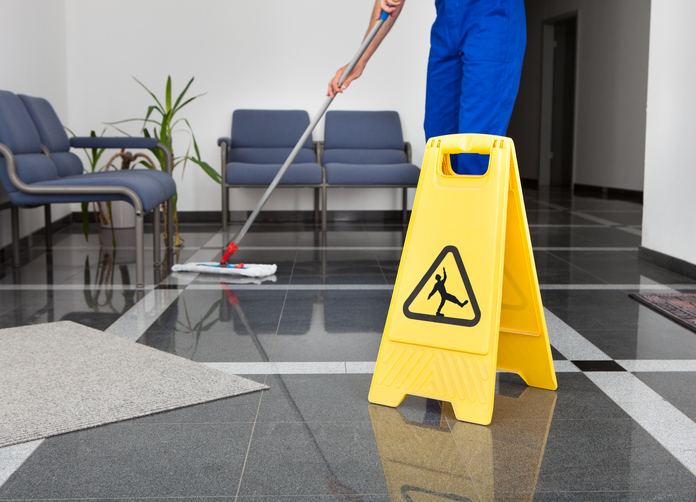
Poor housekeeping remains one of the most persistent contributors to slip-and-fall incidents. Debris, packaging materials, tools, and waste can accumulate quickly, especially on fast-paced projects. When cleanup is deprioritized in favor of speed, hazards multiply.
Housekeeping failures often reflect broader organizational priorities. When leadership emphasizes deadlines without reinforcing safety expectations, unsafe conditions are more likely to persist.
Recognizing the Root Causes
A closer examination of the causes of slip & fall accidents shows that many incidents stem from preventable conditions rather than unforeseeable events. Inadequate lighting, slippery surfaces, lack of handrails, and failure to address known hazards are recurring themes across industries.
These causes point to systemic issues rather than individual carelessness.
Workforce Trends Contributing to Rising Claims
Changes in the workforce have played a significant role in the increase of slip-and-fall claims on jobsites.
Labor Shortages and Rapid Hiring
Labor shortages have forced many employers to onboard workers quickly to meet demand. Accelerated hiring often means less time for comprehensive training and orientation. New employees may be unfamiliar with site-specific hazards, equipment placement, or safety protocols.
Without adequate supervision, inexperience can translate directly into higher accident rates.
Increased Use of Temporary and Contract Labor
The growing reliance on temporary workers and subcontractors adds complexity to safety management. These workers may rotate between sites frequently and may not receive the same level of training or oversight as permanent employees.
Inconsistent safety standards across contractors can create confusion and gaps in hazard control, increasing the likelihood of slips and falls.
Aging Workforce Considerations
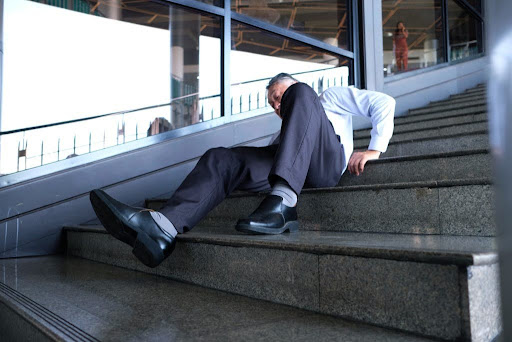
In many industries, a significant portion of the workforce is aging. While experienced workers bring valuable skills, age-related factors such as reduced balance, slower reflexes, and preexisting conditions can increase vulnerability to slip-and-fall injuries.
This demographic reality requires thoughtful accommodation and proactive risk management.
Supervisory Practices and Their Influence on Claims
Supervision plays a critical role in preventing slip-and-fall incidents. Weak oversight often correlates with higher claim rates.
Inconsistent Enforcement of Safety Rules
When supervisors enforce safety rules unevenly, workers may assume that certain hazards are acceptable. Over time, this normalization of risk leads to complacency. Employees may stop reporting hazards or assume that management is aware and unconcerned.
Consistent enforcement sends a clear message that safety standards are non-negotiable.
The Role of Negligent Supervision
In some cases, failures in supervision go beyond inconsistency and rise to the level of negligence. Courts and legal professionals increasingly examine whether supervisors adequately monitored site conditions, corrected hazards, and enforced safety protocols.
Discussions around negligent supervision at construction sites, including those highlighted in legal analyses from New York trial lawyers, illustrate how supervisory failures can significantly increase liability exposure when slip-and-fall incidents occur.
Regulatory Pressure and Reporting Dynamics
Regulatory changes and increased awareness have also contributed to the rise in reported claims.
Improved Reporting Systems
Digital reporting tools and heightened awareness of worker rights have made it easier for employees to report injuries. While this transparency is positive, it can create the perception that incidents are increasing more rapidly than before.
In reality, many slips and falls previously went unreported or undocumented. Improved reporting simply brings these incidents into clearer view.
Regulatory Expectations and Compliance
Regulators expect employers to identify and mitigate common hazards, including those related to slips and falls. Inspections following serious incidents often focus on housekeeping practices, training records, and hazard assessments.
Repeated violations can lead to citations, fines, and mandatory corrective actions, all of which increase operational costs and scrutiny.
The Legal Environment and Expanded Claim Pathways
The legal landscape surrounding workplace injuries has evolved, influencing how slip-and-fall incidents are addressed.
When Workers’ Compensation Is Not the End
While workers’ compensation systems cover most jobsite injuries, there are circumstances where additional claims arise. Third-party contractors, property owners, or equipment suppliers may be implicated if unsafe conditions are linked to their actions or omissions.
In such cases, injured workers may pursue personal injury claims in addition to workers’ compensation benefits, significantly expanding potential liability.
Negligence and Third-Party Claims
Slip-and-fall incidents may also lead to litigation when negligence is alleged. Claims involving negligent supervision, inadequate site control, or failure to warn of hazards can draw in multiple parties and prolong legal proceedings.
Legal commentary and case analysis, such as discussions of personal injury related to construction site supervision, demonstrate how these cases can escalate quickly when documentation and oversight are lacking.
Technology, Efficiency, and Unintended Safety Risks
Technological advancements have transformed jobsite operations, but they also introduce new challenges.
Increased Pace and Work Intensity
Project management software, real-time tracking, and performance analytics have improved efficiency. However, these tools can also intensify pressure to meet aggressive timelines. When speed becomes the primary focus, housekeeping and hazard checks may be rushed or overlooked.
Crowded worksites, overlapping trades, and compressed schedules increase the likelihood of slips and falls.
Infrastructure and Equipment Placement
Temporary power lines, cables, hoses, and equipment are essential for modern jobsites, yet they also create tripping hazards. Poor coordination between teams can lead to cluttered walkways and poorly marked transitions.
Executive oversight is necessary to ensure that efficiency gains do not come at the expense of safety.
Organizational Culture and Leadership Influence
The rise in slip-and-fall claims cannot be separated from organizational culture. While physical hazards such as wet surfaces or uneven walkways are often cited as immediate causes, culture determines whether those hazards are identified, reported, and corrected in time. At its core, culture reflects how leadership priorities translate into everyday behavior on the jobsite.
In organizations where safety is treated as a compliance obligation rather than a shared value, employees are less likely to intervene when they observe unsafe conditions. Conversely, companies with strong safety cultures tend to address slip-and-fall risks proactively, often preventing minor issues from escalating into serious injuries.
Safety as a Leadership Priority
Organizations with strong safety cultures consistently experience fewer accidents and less severe injuries. This outcome is rarely accidental. Culture is shaped by leadership behavior, resource allocation, and accountability structures that signal what truly matters to the organization.
When CEOs and senior executives consistently emphasize safety in internal communications, operational planning, and strategic decision-making, those priorities cascade throughout the organization. Employees pay close attention not only to what leaders say, but also to what they reward and tolerate. When safety concerns are addressed promptly and visibly, workers are more likely to follow protocols and report hazards without fear of retaliation or dismissal.
Leadership commitment is also reflected in how resources are allocated. Funding for safety training, housekeeping support, proper footwear, lighting, and surface maintenance sends a clear message that worker protection is a priority. In contrast, underfunded safety initiatives or delayed corrective actions often signal that productivity or cost control outweighs employee well-being, increasing the likelihood of slip-and-fall incidents.
Accountability further reinforces culture. When managers and supervisors are held responsible for safety outcomes, not just production metrics, expectations become clear. Leaders who intervene after incidents but remain silent during unsafe practices inadvertently normalize risk. Proactive leadership, on the other hand, sets consistent standards that shape safer behavior across all levels of the organization.
Balancing Productivity and Protection
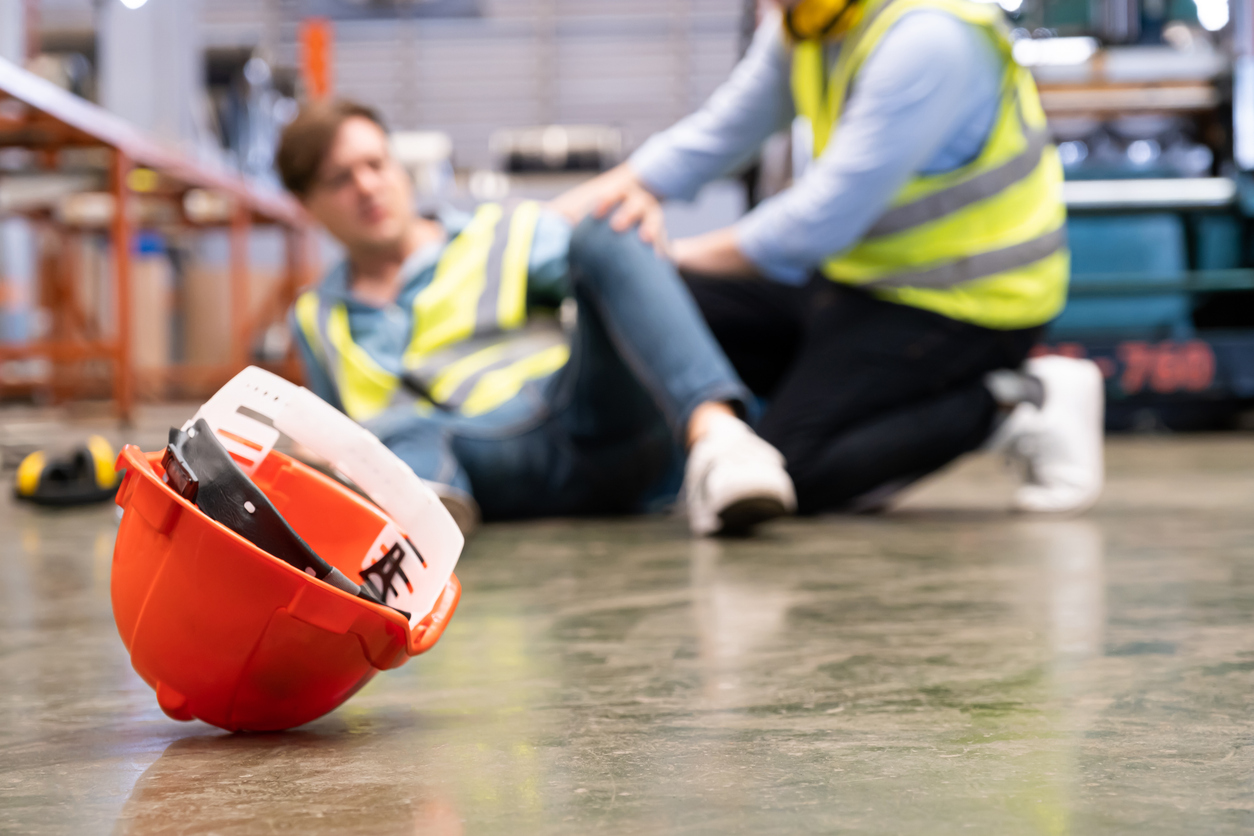
Effective leaders recognize that safety and productivity are not competing objectives. In fact, they are closely aligned. Jobsites that prioritize safety tend to operate more efficiently over time because they experience fewer disruptions, lower absenteeism, and stronger workforce engagement.
Slip-and-fall incidents often interrupt workflows through investigations, medical leave, and staffing adjustments. These disruptions can derail schedules and inflate costs far more than preventive measures ever would. Leaders who understand this dynamic view safety as an enabler of performance rather than an obstacle to efficiency.
Embedding safety into performance metrics reinforces this balance. When managers are evaluated not only on output and deadlines but also on safety indicators such as incident rates, near-miss reporting, and corrective action follow-through, behavior shifts accordingly. Safety becomes part of how success is defined, rather than an afterthought addressed only when problems arise.
This integrated approach also improves morale. Workers who feel protected and valued are more engaged, more attentive to their surroundings, and more willing to speak up about hazards. Over time, this engagement reduces the likelihood of slip-and-fall incidents and strengthens overall operational resilience.
Documentation, Data, and Risk Management
Accurate documentation and data analysis are essential tools for addressing rising slip-and-fall claims. While culture shapes behavior, data provides the insight needed to identify trends, measure effectiveness, and guide decision-making.
The Role of Inspections and Audits
Regular inspections are one of the most effective ways to identify slip-and-fall hazards before accidents occur. These inspections should be systematic, documented, and conducted at intervals appropriate to the pace and complexity of the jobsite.
Documenting inspections serves multiple purposes. It creates a record of due diligence, supports trend analysis, and provides evidence of proactive risk management. Over time, inspection data can reveal recurring issues, such as problem areas with drainage, lighting, or material storage, allowing organizations to implement targeted solutions.
When inspections are inconsistent or poorly documented, organizations lose both preventive opportunities and legal defenses. In the absence of records, it becomes difficult to demonstrate that hazards were identified and addressed in a timely manner. This gap can significantly increase exposure in the event of a claim, particularly when allegations of negligence or inadequate supervision arise.
Executives play a critical role by ensuring that inspection processes are standardized, adequately resourced, and supported by leadership. Without executive backing, inspection programs often become reactive or symbolic rather than effective.
Learning From Near-Misses
Near-miss incidents often precede serious slip-and-fall accidents, yet they are frequently underreported or ignored. A near-miss may involve a worker slipping but regaining balance, tripping without falling, or identifying a hazard before an injury occurs. These events provide valuable insight into underlying risks.
Organizations that actively analyze near-miss data can identify patterns that might otherwise go unnoticed. For example, repeated near-misses in the same area may indicate a persistent surface issue, inadequate lighting, or poor housekeeping practices. Addressing these issues early can prevent future injuries and claims.
CEOs who support data-driven safety management encourage continuous improvement rather than reactive response. This support includes investing in reporting systems, promoting a non-punitive reporting culture, and ensuring that near-miss data leads to meaningful action. When workers see that their reports result in real improvements, trust and participation increase.
Why Slip-and-Fall Claims Matter at the Executive Level
Slip-and-fall incidents may appear routine when viewed individually, but their rising frequency signals broader organizational challenges that demand executive attention.
Strategic Risk and Reputation
Repeated slip-and-fall claims can damage a company’s reputation with clients, investors, insurers, and regulators. In many industries, safety records influence contract awards, partnership decisions, and insurance terms. A history of incidents may suggest weak oversight or cultural deficiencies, affecting competitiveness and long-term growth.
From a leadership perspective, addressing slip-and-fall risks is part of broader risk management and brand protection. Demonstrating a commitment to safety enhances credibility and reinforces the organization’s reputation as a responsible and well-managed enterprise.
Human Capital Considerations
Workers are among an organization’s most valuable assets. Slip-and-fall injuries affect not only the injured individual but also team cohesion, morale, and retention. Colleagues may experience increased workloads, stress, or concern about their own safety following an incident.
Demonstrating a genuine commitment to safety helps attract and retain skilled workers, particularly in industries facing labor shortages. Employees are more likely to remain with organizations that prioritize their well-being and invest in safer working conditions.
For CEOs, reducing slip-and-fall claims is not simply about lowering costs or avoiding liability. It is about sustaining a healthy, engaged workforce and building an organizational culture that supports long-term success.
A Broader View of the Trend
The rise in slip-and-fall claims on jobsites reflects a convergence of factors: evolving workforce dynamics, increased regulatory scrutiny, operational pressures, and heightened legal awareness. These incidents are rarely caused by a single mistake. Instead, they emergefrom systems that fail to adapt to changing conditions.
For CEOs, understanding why these claims are increasing is the first step toward meaningful action. By examining root causes, reinforcing supervision, investing in prevention, and embedding safety into organizational culture, leaders can address the trend proactively.
Slip-and-fall claims are not merely safety metrics. They are indicators of how effectively an organization manages risk, values its workforce, and aligns operational goals with long-term sustainability.