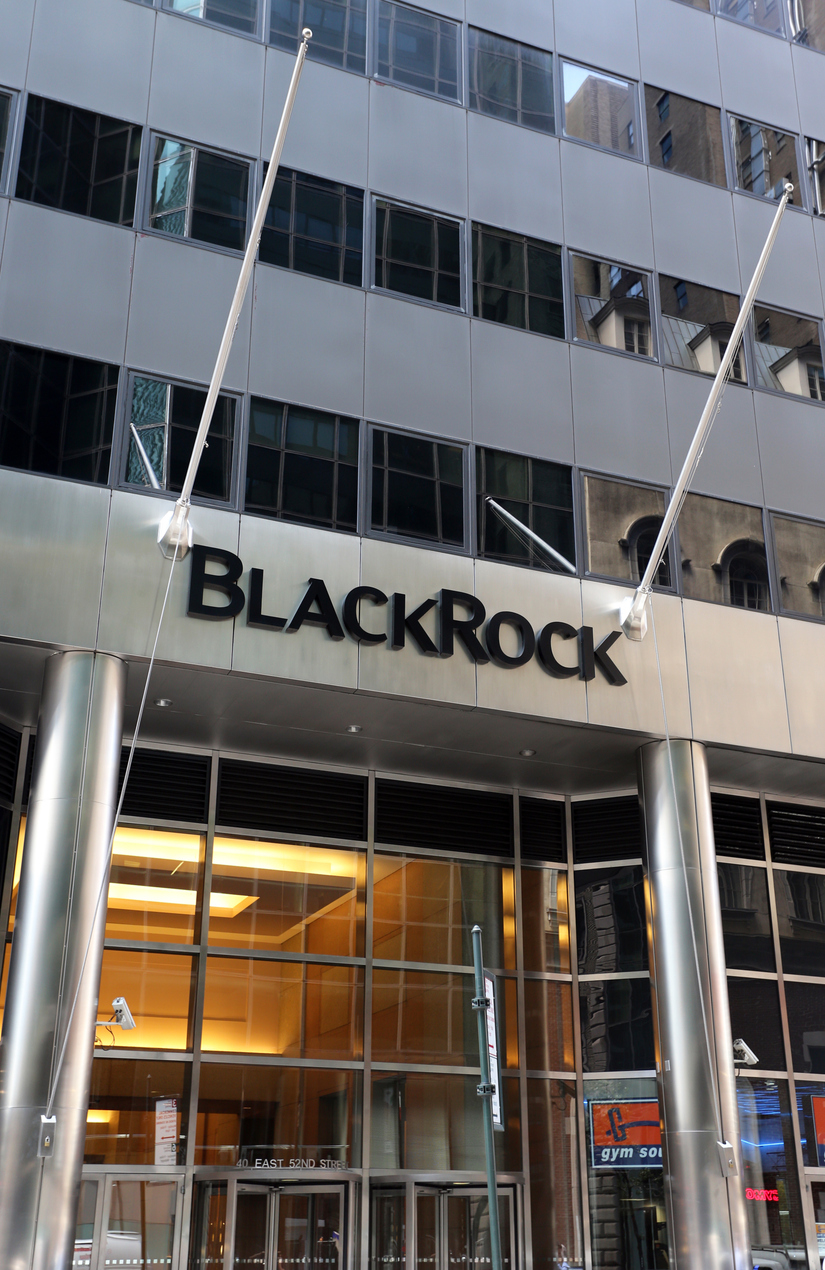
BlackRock in Numbers: How the World’s Largest Asset Manager Reached $14 Trillion
In early 2026, BlackRock, the New York-based global investment manager, reported a record $14.04 trillion in assets under management (AUM), solidifying its position as the world’s largest asset manager. This milestone reflects decades of strategic growth, product innovation, and disciplined investment management, illustrating how scale and diversified offerings can drive long-term financial leadership.
From Humble Beginnings to Global Dominance
BlackRock was founded in 1988 by Larry Fink, Robert Kapito, Susan Wagner, and a small group of partners. Initially focused on fixed-income portfolio management and risk analytics, the firm distinguished itself through a unique approach: combining active investment management with rigorous technology-driven risk evaluation.
By 1999, BlackRock went public on the New York Stock Exchange, marking its transition from a boutique investment advisory firm to a global financial powerhouse. Strategic acquisitions throughout the 2000s, most notably the 2009 purchase of Barclays Global Investors, brought the iShares ETF platform into the BlackRock family. This move transformed the company into the leading ETF provider globally and positioned it at the center of the growing passive investing trend.
How BlackRock Makes Its Money
BlackRock’s revenue model relies primarily on fees earned from assets under management, spanning equity, fixed income, multi-asset portfolios, and alternatives. Its business also includes performance fees, securities lending, and technology services through its proprietary Aladdin platform, a risk management and portfolio analytics system licensed to other institutional investors.
In 2025, BlackRock reported annual revenue of approximately $24.2 billion, a 19% increase from the previous year. Revenue growth was driven by expanding AUM, strong net inflows, and diversification into private markets and alternative assets. ETFs, particularly through the iShares platform, remained a core revenue generator, attracting investor capital for broad, low-cost exposure to equities and bonds.
The 2025 Milestone: Record Inflows and Market Gains
The jump to $14 trillion AUM was fueled by a combination of net new client inflows and market appreciation. Throughout 2025, BlackRock received around $698 billion in net inflows, including $342 billion in the fourth quarter alone. Inflows were driven by strong investor demand for ETFs and institutional portfolios, reflecting a preference for diversified, cost-efficient investment strategies.
Market conditions in late 2025, including rising equity values and resilient fixed-income returns, further bolstered the market value of assets under management. These factors contributed significantly to BlackRock’s record-setting AUM.
Earnings and Profitability
While AUM reached record levels, BlackRock’s profits reflect the nuances of large-scale operations and strategic investments. In Q4 2025, the firm reported net profit of $2.18 billion with adjusted earnings per share of $13.16, exceeding market expectations. Total quarterly revenue rose to approximately $7 billion, a 23% increase from the same quarter a year prior.
Profitability was affected by expenses related to acquisitions and expansion into higher-margin private markets. Initiatives such as increased investment in alternatives, infrastructure, and private equity broadened the firm’s revenue streams while temporarily impacting short-term earnings margins.
Ownership and Structure
BlackRock is a publicly traded company listed on the NYSE under the ticker BLK. Its ownership is widely distributed among institutional investors, mutual funds, pension funds, and retail shareholders. Larry Fink and other executives own a smaller, but significant stake, aligning leadership incentives with shareholder interests.
The firm’s public structure and transparency requirements make its strategic decisions, financial performance, and growth initiatives subject to scrutiny from regulators, investors, and the broader market.
Strategic Expansion Beyond ETFs
BlackRock’s dominance is built not only on ETFs but also on expanding alternative investments and private market offerings. Assets in alternatives, including infrastructure, private equity, and credit strategies, reached over $423 billion, reflecting the company’s emphasis on higher-margin, diversified revenue streams. The firm has set long-term targets to grow private market assets significantly by 2030, balancing traditional passive investing with new opportunities in illiquid and alternative asset classes.
In addition, BlackRock continues to leverage its technology and analytics platform, Aladdin, to generate revenue and strengthen relationships with institutional clients, providing risk management and portfolio insights across multiple asset classes.
The Journey to Scale
BlackRock’s path from a small, specialized advisory firm to a $14 trillion powerhouse is marked by key milestones:
-
1988: BlackRock founded, specializing in fixed-income risk management.
-
1999: IPO on the NYSE, expanding capital and visibility.
-
2009: Acquisition of Barclays Global Investors, including iShares ETFs, establishing global ETF leadership.
-
2010s–2020s: Expansion into private markets, alternative investments, and global institutional services.
-
2025: AUM reaches $14 trillion, fueled by record net inflows and market appreciation.
Each milestone reflects a combination of strategic foresight, technological innovation, and careful risk management, underpinning BlackRock’s market leadership.
Conclusion: A Dominant Force in Global Finance
BlackRock’s record AUM, robust earnings, and diversified revenue streams demonstrate the scale and resilience of the world’s largest asset manager. Its growth has been fueled by a combination of disciplined investing, strategic acquisitions, innovation in ETFs and alternatives, and technology leadership.
As the firm continues to expand into private markets and leverage its analytical platforms, BlackRock’s position at the top of global asset management appears secure. For investors, market watchers, and business readers, understanding BlackRock’s numbers — and the strategic decisions behind them — is essential to following trends in global finance.
People Also Ask
-
What is BlackRock’s total assets under management?
$14.04 trillion as of early 2026. -
How does BlackRock make money?
Through fees on AUM, performance fees, securities lending, and technology services via Aladdin. -
Who owns BlackRock?
Publicly traded with institutional investors, mutual funds, pension funds, and retail shareholders.