The Silent Battle for Consumer Intent: Why Walmart and Google’s AI Deal Changes Retail Forever
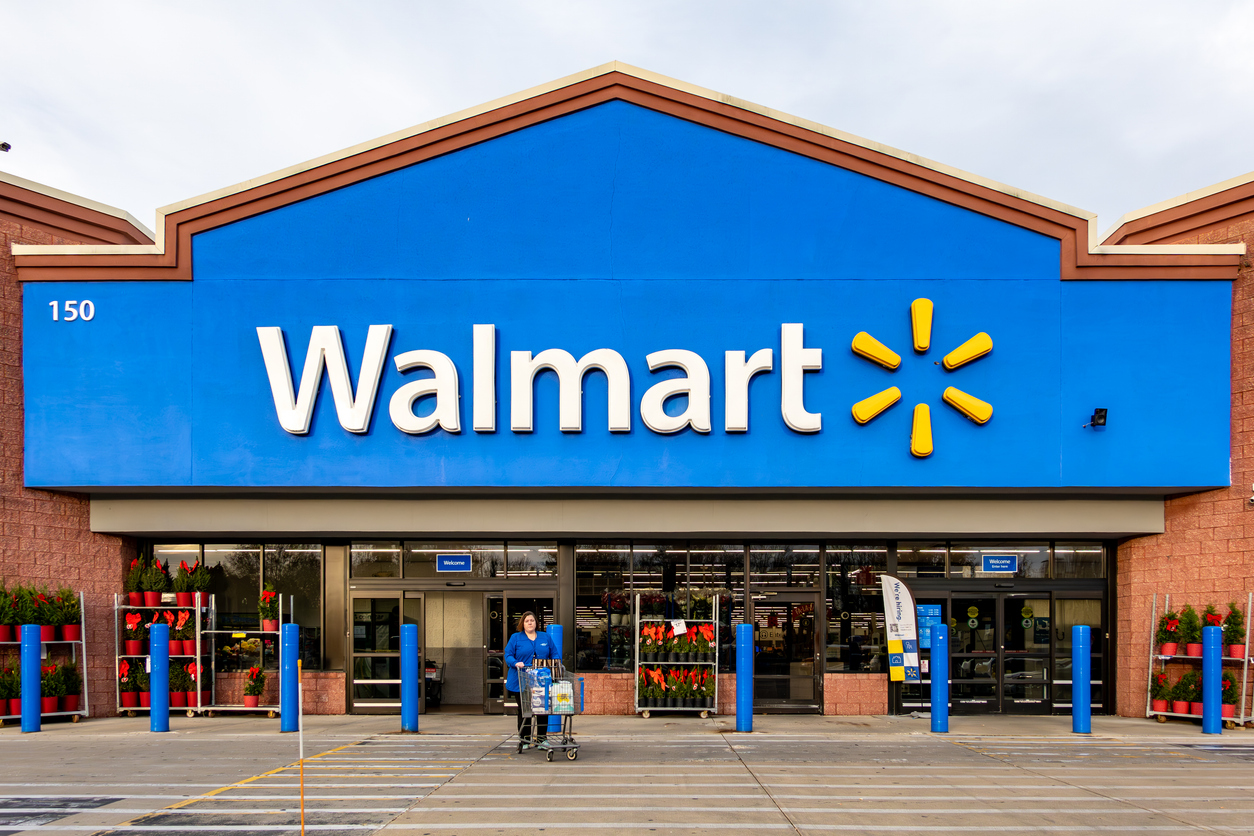
For most of modern retail history, competition played out in visible ways. Brands fought for shelf space, retailers competed on foot traffic, and e-commerce giants battled for clicks and search rankings. Consumers were active participants in this process, navigating choices, comparing prices, and making decisions themselves. That model is now quietly being replaced. The partnership between Walmart and Google to integrate AI-assisted shopping through Google’s Gemini platform signals a deeper transformation that has little to do with convenience and everything to do with who controls consumer intent.
This collaboration marks a shift away from browsing-based commerce toward decision-based commerce, where artificial intelligence increasingly determines not just what consumers see, but what they buy. When shoppers ask an AI system for recommendations, comparisons, or purchasing guidance, they are no longer engaging with a neutral tool. They are entering a curated decision environment shaped by algorithms, partnerships, and access to data. In this new retail architecture, influence no longer lives on the digital shelf. It lives inside the AI that answers the question.
From Search to Authority: How Shopping Decisions Are Being Rewritten
Traditional online shopping assumed a motivated consumer who actively searched for products, evaluated options, and made informed choices. Even when platforms nudged behavior through rankings or sponsored listings, the consumer still experienced a sense of agency. AI-assisted shopping changes that dynamic fundamentally. With Gemini embedded into retail experiences, the consumer no longer scrolls or compares in the conventional sense. They ask a question and receive a synthesized response that blends recommendation, justification, and execution.
This matters because the system answering the question now holds authority over the outcome. The moment of decision is compressed into a single interaction, and the logic behind that decision is largely invisible. Walmart’s integration into this process ensures that its products, pricing, and inventory are not merely available, but actively legible to AI systems tasked with making choices. In an AI-mediated economy, relevance is no longer earned through marketing alone. It is earned through system compatibility.
Why Walmart Is Acting Now, Not Later
Walmart’s move is not simply innovative. It is defensive. As consumer behavior shifts toward AI-mediated decisions, retailers that are not deeply embedded in these systems risk losing visibility altogether. Scale alone does not protect against irrelevance when discovery itself is automated. Walmart understands that if AI agents become the primary interface between consumers and commerce, being absent from those agents is equivalent to disappearing from the market.
By aligning with Google’s Gemini, Walmart positions itself as a default option within AI-generated recommendations. This is not about winning every transaction. It is about ensuring participation in the decision-making layer where transactions are initiated. In this environment, retailers no longer compete solely against each other. They compete for inclusion within the logic of machines that act on behalf of consumers.
Google’s Strategic Leap From Guide to Gatekeeper
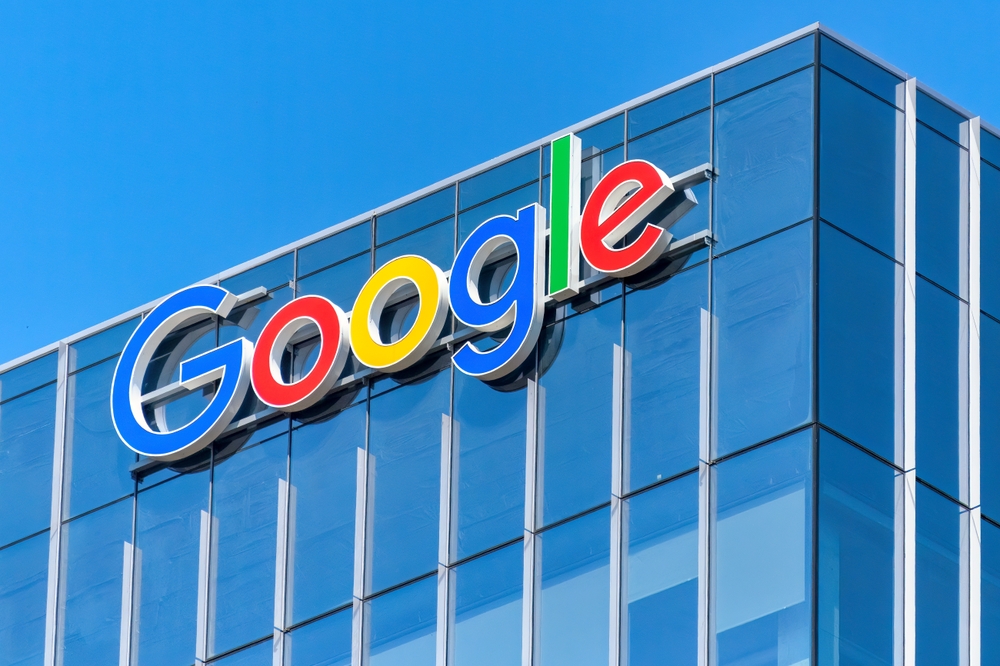
For Google, the implications are even broader. Search engines historically functioned as intermediaries, directing users toward information while maintaining a degree of separation from outcomes. AI-assisted shopping collapses that distance. When Gemini recommends a product or facilitates a purchase, Google is no longer a guide. It becomes a participant in the commercial process.
This shift creates enormous opportunity, but also significant exposure. Recommendations carry implied endorsement, and endorsements invite scrutiny. Questions that once applied only to retailers now extend to platforms. Why was one product prioritized over another? Were commercial relationships a factor? Could alternatives have been suppressed without the consumer’s awareness? As Google moves deeper into transactional decision-making, it inherits regulatory and reputational risks that search alone never triggered.
The Quiet Consequences for Smaller Retailers
Perhaps the most profound impact of AI-assisted shopping will be felt by companies that are not part of these partnerships. Smaller retailers and emerging brands depend heavily on discovery. They rely on consumers stumbling across products, comparing alternatives, and making exploratory choices. AI does not stumble. It selects.
If retailers are not structurally integrated into AI shopping ecosystems, they may never reach the consumer at all. This is not a matter of pricing or quality. It is a matter of algorithmic visibility. As commerce becomes mediated by AI agents, competition shifts away from marketing reach and toward system-level access, a terrain where smaller players have little leverage.
Convenience, Control, and the Cost of Delegation
For consumers, AI-assisted shopping offers clear benefits. It reduces friction, saves time, and simplifies decision-making in an increasingly complex retail environment. But this convenience comes with trade-offs that are easy to overlook. When consumers delegate decisions to AI systems, they also delegate the criteria by which those decisions are made.
The AI decides which factors matter most, whether price, speed, brand reputation, or sustainability. Those priorities are rarely transparent. Over time, reliance on AI recommendations can create a form of dependency, not because alternatives disappear, but because the cognitive effort required to evaluate them fades. Choice becomes less about exploration and more about acceptance.
The Emerging Liability Question No One Has Answered Yet
AI-assisted shopping also introduces unresolved legal questions. When an AI recommends a product that proves defective, misleading, or harmful, responsibility becomes difficult to assign. Is liability held by the retailer, the platform, or the system that generated the recommendation? Existing consumer protection frameworks were built for human decision-making and visible intermediaries. AI collapses those distinctions.
Walmart brings decades of experience managing product liability. Google brings unparalleled expertise in data systems and algorithms. Together, they are entering a space where those domains overlap in ways regulators have not yet fully addressed. The absence of clear rules may accelerate adoption in the short term, but it also guarantees future scrutiny.
Why This Is Bigger Than Retail
This partnership is not just a retail story. It is a preview of how AI will reshape decision-making across industries. Wherever consumers make frequent, complex choices, AI agents will increasingly act as proxies. Retail is simply the first large-scale testing ground. Travel, finance, healthcare, and insurance will follow.
The companies that succeed will not necessarily be those with the best products, but those positioned closest to machine judgment. The companies that fail may not collapse dramatically. They may simply stop being considered.
The Strategic Reality Facing Business Leaders
AI-assisted shopping is not a feature upgrade. It is infrastructure. And infrastructure determines who participates in the economy. For retailers, the strategic question is no longer how to attract customers, but how to remain visible to machines that decide on their behalf. For platforms, the question is how much responsibility accompanies the power to choose for others.
Walmart and Google are answering those questions early, while the rules are still forming. Others will be forced to respond later, under pressure, and with fewer options. In the emerging AI-driven marketplace, control over consumer intent is the most valuable asset of all — and it is quietly changing hands.