What Artists Can Do When Their Sound Is Copied — From Legal Protection to Creative Response
In today’s music world, where trends spread faster than ever and digital platforms amplify every snippet, it’s common for artists to feel like their sound has been mimicked or even copied outright. Recent debates around Addison Rae’s song Working Together — and claims it borrows heavily from another artist’s style and sonic identity have brought this issue into the spotlight. So what can creators do when they believe someone has imitated their sound? The answer sits at the intersection of art, law, and evolving music culture.
Understanding the Difference Between Influence and Copying
First, it’s important to recognise the line between influence — which is natural and often celebrated in music — and copying in a way that harms an artist’s unique voice or commercial success. Music is built on shared elements like chords, rhythms, and production techniques. Pop, rock, hip-hop and R&B all borrow from shared traditions while striving for individuality.
Influence becomes problematic when an artist’s distinctive elements — such as signature melodies, vocal stylings, unique arrangements, or a specific production aesthetic — are recreated so closely that listeners immediately associate the new sound with the original artist’s identity. These are the cases that lead to controversy, conversation, and sometimes legal action.
Legal Options: Copyright and Sound Similarity
When artists feel their sound has been copied beyond inspiration, the most significant recourse is copyright law. Copyright protects original compositions specifically melody, harmonies, lyrics, and recorded performances but it does not protect general style or genre. That’s why legal cases often hinge on whether one song copies specific copyrightable elements of another, like a melody or distinctive lick, not merely a vibe or production trend.
For example, the landmark case involving Marvin Gaye’s estate and Robin Thicke’s Blurred Lines focused on similarities in “feel” and composition — leading to a ruling in favour of Gaye’s estate. However, such cases are complex, often expensive, and legally nuanced; success depends on demonstrating a substantial similarity to protectable elements of a song.
Legal teams may invite experts in music theory, history, and audio analysis to compare works and identify specific overlaps. If a case proceeds, it can result in financial compensation, songwriting credits for the original artist, or both. But litigation is rarely simple — and it’s not always the right choice for every artist.
Industry Contracts and Publishing Rights
Beyond copyright claims, artists should be mindful of publishing and contractual protections. When a song is registered with a performing rights organisation (PRO), or when publishing rights are clearly defined, an artist has documented ownership of their creative output. This matters if disputes arise later.
Songwriters and producers increasingly work with legal representatives and publishing administrators who help register works accurately and quickly especially valuable in traps and beats-driven genres where similarities can crop up unexpectedly. Good documentation of creative sessions, demos, and collaborative notes can strengthen an artist’s case if a dispute emerges.
Contracts may also include clauses about derivative works or sampling, further clarifying rights when a sound or part of a composition is reused by another artist.
Resolving Conflict Outside of Court
Legal routes are just one option — and often the most costly and time-intensive. Many disputes resolve outside court through negotiation, credit sharing, or private settlements. In these cases, both parties or their teams agree on terms that might include shared royalties, updated songwriting credits, or financial compensation without public litigation.
Open dialogue between artists and their teams — sometimes facilitated by publishers or managers can prevent disputes from turning messy. These collaborative resolutions often protect relationships and creative ecosystems, particularly when influence and homage blur with imitation.

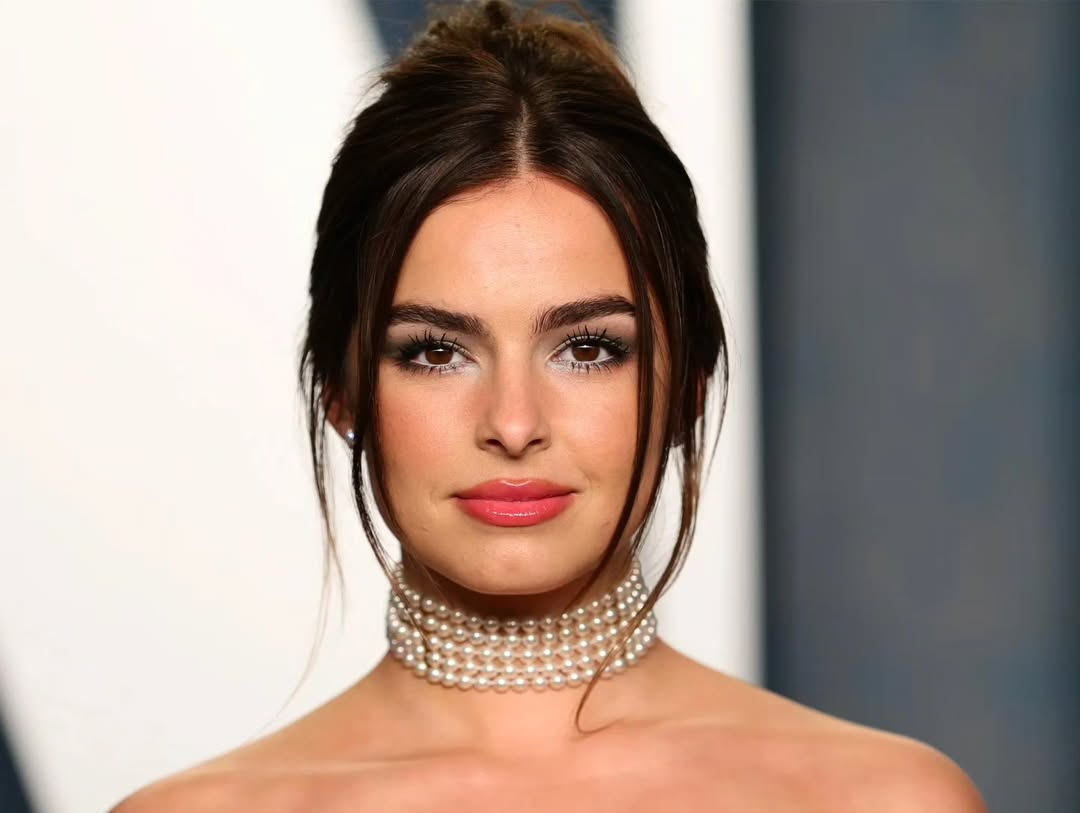
Addison Rae
Creative Responses: Owning Your Narrative
Even without legal action, artists can reclaim the conversation by controlling their creative narrative. Social media, interviews, and public appearances allow artists to articulate what inspires them, celebrate influences, and clarify what makes their sound unique.
Some musicians respond to imitation by doubling down creatively — releasing new music that highlights their originality or showcases growth beyond the elements that were imitated. Others collaborate directly with artists who have used their style, turning potential conflict into creative synergy.
Fans also play a role in shaping these narratives. Open conversations about creative influence, cultural exchange, and artistic evolution can help listeners understand that inspiration and imitation are not always the same thing — and that artists evolve continuously.
The Broader Cultural Conversation
The question of sound copying isn’t just about individual disputes — it points to larger discussions about creativity in the digital age. With TikTok, streaming playlists, and algorithmic discovery, sounds that resonate with audiences spread quickly, and emerging artists often adopt trends as part of their creative journey.
This environment raises new questions: How do we protect individual voices while honouring collective artistic heritage? How do copyright laws evolve to reflect hybrid genres and post-genre aesthetics? These conversations matter because they affect how future generations of artists create, credit, and share their work.
Final Thoughts: Protecting Creativity in an Evolving Musical Landscape
Artists today have more tools than ever to protect, document, and promote their work, but they also operate in a rapidly changing cultural ecosystem. When a sound feels copied, creators have several paths to explore — from legal action and publishing rights management, to public storytelling and creative response.
At its best, this discourse can strengthen artistic integrity, foster respect for intellectual property, and celebrate the diversity of sounds that make music exciting. Whether you’re an emerging creator or a seasoned artist, understanding your rights — legal, contractual, and creative — empowers you to shape your music with confidence.