
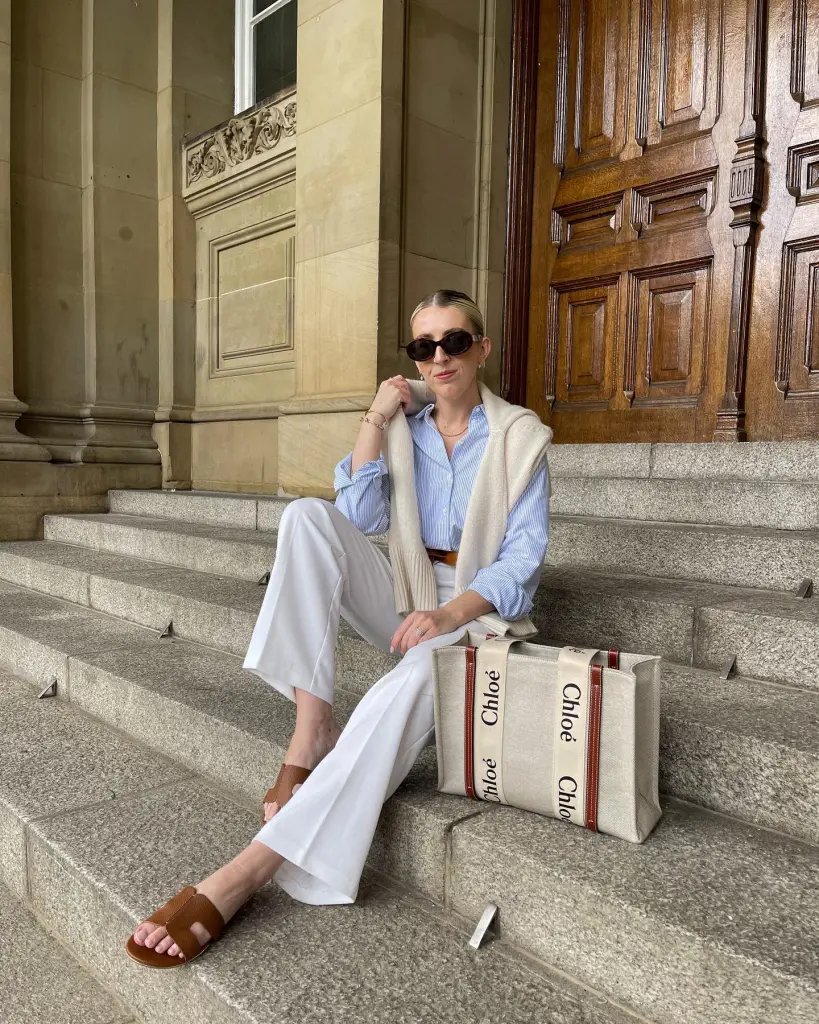
Some people seem to look put together regardless of circumstance. Early meetings, long days, casual settings — their appearance never feels accidental, yet it never looks forced. The common assumption is that this polish comes from money, time, or access to better clothes. In reality, those factors explain far less than most people think.
Polish is not created by individual items. It’s the result of consistency — in choices, habits, and signals — that accumulate quietly over time. What makes the difference is rarely visible in isolation, which is why it’s so often misunderstood.
The reassuring part is that polish isn’t a talent or a lifestyle reserved for a particular group. It’s a byproduct of alignment: between appearance, behaviour, and intention. Once that alignment exists, looking put together stops being an effort and starts feeling like a default.
Why Polish Is Perceived So Quickly
People don’t consciously analyse appearance in detail. They register patterns.
Polish is recognised almost instantly because the human brain is highly attuned to coherence. When elements align — clothing, posture, grooming, pace — the impression is one of control and ease. When they don’t, even expensive or well-chosen pieces can feel disjointed.
This is why polish often feels intangible. It’s not created by standout features, but by the absence of friction. Nothing distracts, nothing competes. The result is visual calm, which the brain interprets as confidence.
Context also matters. Appearance is judged in motion, in conversation, and over time. People who look polished tend to maintain consistency across situations rather than recalibrating for each one.
Common Reasons People Look Less Put Together Than They Are
One common issue is overcorrection. In an attempt to appear polished, people add too many focal points — statement pieces, accessories, details — which creates visual noise instead of clarity.
Another quiet factor is inconsistency. Clothing that fits well on one day but not the next, grooming that varies depending on schedule, or styles that shift frequently all undermine the sense of reliability that polish depends on.
There’s also the tendency to confuse novelty with improvement. Newness can feel like progress, but constant change often works against cohesion. Polish favours repetition over reinvention.
None of these habits are mistakes in the obvious sense. They’re normal responses to uncertainty about what actually creates a refined impression.
What Actually Signals Polish
People who consistently look polished tend to get a few understated things right.
Proportion is one of them. Balanced silhouettes and predictable shapes create visual order, even when individual items are simple.
Fit plays a decisive role. Clothes that sit naturally on the body signal ease, while those that require adjustment or attention do the opposite.
Consistency matters more than variation. A narrow range of colours, textures, and styles allows each element to reinforce the others.
Restraint is key. When nothing is competing for attention, the wearer becomes the focal point.
Maintenance also contributes. Clean lines, pressed fabrics, and subtle grooming details are rarely noticed individually, but they register collectively.
Why Subtlety Carries More Weight Than Display
Polish works because it removes doubt.
When someone looks composed without obvious effort, the assumption is that this composure extends beyond appearance. The brain fills in the gaps, associating visual calm with competence and self-assurance.
Overt signals — loud styling, trend-heavy choices, visible effort — interrupt that process. They ask to be noticed, which shifts attention away from presence and toward performance.
Subtlety, by contrast, allows perception to do the work quietly. It suggests confidence without requiring confirmation.
In professional and social settings alike, this often proves more persuasive than obvious signals of status or taste.
A Brief Reality Check
No one looks polished at all times. Travel, weather, long days, and daily life leave their mark. Polish isn’t about perfection; it’s about direction.
What matters is that most signals point the same way most of the time. When that happens, small disruptions don’t break the overall impression.
Polish is resilient because it’s built on habits, not moments.
The Quiet Advantage of Being Put Together
Looking polished doesn’t mean standing out. It means removing friction — from choices, from presentation, from perception. Over time, this creates ease. Decisions become simpler. Appearance becomes predictable in a good way.
The people who always look put together rarely think about it constantly. That’s the point. Polish, once established, becomes background structure rather than foreground effort.
And that quiet consistency is what ultimately makes it so convincing.