
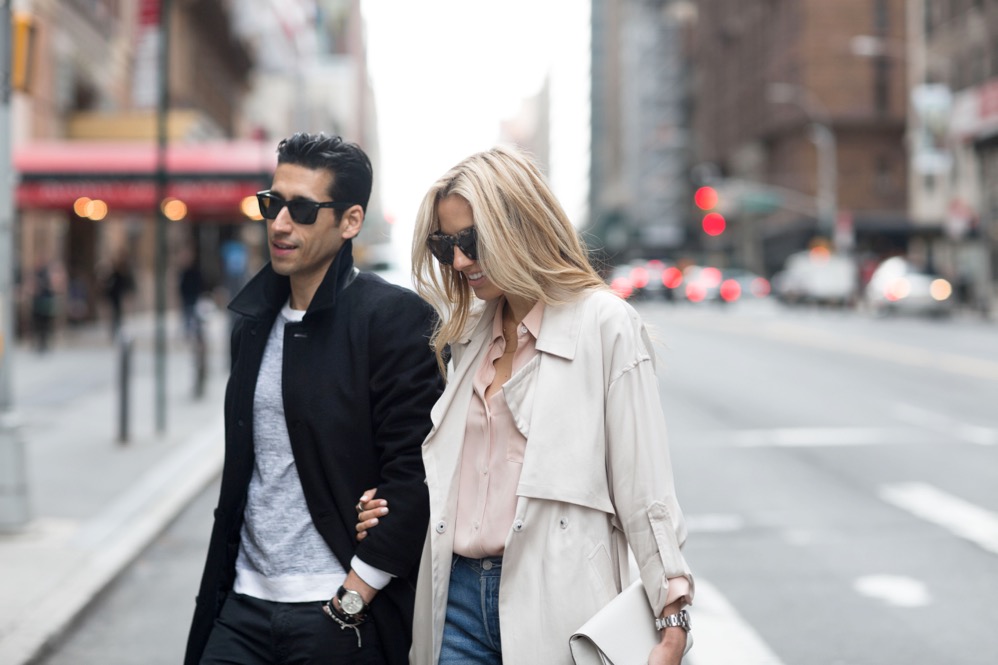
Clothing rarely looks expensive because of logos, labels, or price tags. It looks expensive because of how it sits, how it moves, and how it’s perceived in context. The difference between an outfit that feels polished and one that feels forgettable often has little to do with cost, and everything to do with proportion, restraint, and intention.
One of the most persistent misconceptions about “looking expensive” is that it requires luxury brands or trend-led pieces. In reality, those elements can just as easily draw attention to the clothing itself rather than the person wearing it. The clothes that read as high quality tend to do the opposite — they quietly support presence rather than compete with it.
The good news is that this effect isn’t reserved for wardrobes built over decades or budgets stretched to extremes. Small, consistent choices in fit, fabric, and presentation can change how everyday clothing is perceived almost immediately. Once you understand what actually signals quality, dressing well becomes simpler, calmer, and far less performative.
Why Everyday Clothing Often Looks Cheaper Than It Is
Most clothing doesn’t look inexpensive because it’s poorly made. It looks inexpensive because the signals it sends are mixed.
Fabric behaviour plays a major role. Materials that crease awkwardly, cling unpredictably, or lose their shape over the course of the day can undermine even well-chosen outfits. Similarly, garments that don’t sit cleanly on the body — whether too tight, too loose, or poorly balanced — create visual noise that the eye reads as disorder rather than intention.
There’s also a behavioural element. Clothes are rarely judged in isolation. They’re judged in motion, in context, and alongside posture, grooming, and ease. When clothing appears fussy or overworked, it draws attention to effort rather than outcome, which subtly reduces its perceived quality.
Expensive-looking clothing tends to communicate coherence. Everything feels aligned, even if no single element stands out.
Common Mistakes That Undermine an Outfit
One of the most common missteps is focusing too heavily on individual items rather than the overall impression. A statement piece can dominate an outfit in ways that feel unbalanced, especially when everything else is doing too much to keep up.
Another quiet issue is fit drift. Clothes that once fit well but no longer sit quite right — sleeves slightly too long, shoulders slightly off, trousers breaking awkwardly — can quickly erode polish. These details are small, but they’re noticed subconsciously.
Over-accessorising has a similar effect. Too many focal points compete for attention, leaving the outfit without a clear visual hierarchy. Instead of reading as considered, it can feel crowded.
Finally, chasing novelty often works against longevity. Pieces designed to stand out this season tend to age quickly, which makes the entire outfit feel less grounded and less assured.
What Actually Signals Quality
Clothing that looks expensive usually gets a few quiet things right.
Proportion matters more than trend. Balanced silhouettes — where tops, bottoms, and layers relate harmoniously — create visual calm.
Fit is decisive. Garments that follow the body without clinging or collapsing immediately elevate how they’re read.
Material behaviour matters more than material labels. Fabrics that hold structure, drape cleanly, and recover well throughout the day signal durability and care.
Consistency across an outfit matters. A restrained colour palette or cohesive texture story often reads as intentional rather than accidental.
Simplicity allows the wearer to take focus. When clothes stop competing for attention, confidence fills the space instead.
The Psychology Behind Looking “Put Together”
People don’t consciously analyse clothing in detail. They respond to signals — from posture and grooming to subtler details like scent, which often operates quietly in the background of overall presence.
Outfits that appear calm, balanced, and unfussy are often associated with competence and confidence. There’s an implicit assumption that someone who isn’t trying too hard doesn’t need to. This is why subtlety frequently outperforms display.
Visual restraint also creates trust. When clothing feels predictable in a good way — clean lines, familiar shapes, thoughtful repetition — it reduces cognitive load. The result is an impression of control rather than performance.
In professional and social settings alike, this kind of ease often carries more weight than obvious expense.
A Brief Reality Check
No outfit looks expensive in every context, and perfection isn’t the goal. Clothing is affected by movement, weather, posture, and daily life. Even the most carefully chosen pieces will crease, soften, and shift.
What matters is not flawlessness, but consistency. When most of the signals align most of the time, the overall impression holds. That’s what people respond to.
The Quiet Advantage of Dressing Well
Clothing that looks expensive doesn’t announce itself. It supports presence rather than demanding attention. Over time, this approach reduces decision fatigue, simplifies daily choices, and creates a wardrobe that feels reliable rather than performative.
When everyday clothing is chosen with proportion, restraint, and longevity in mind, it stops feeling like an effort. It becomes a background asset — one that quietly reinforces confidence, whatever the setting.
That, more than any label or trend, is what gives clothing its lasting value.