
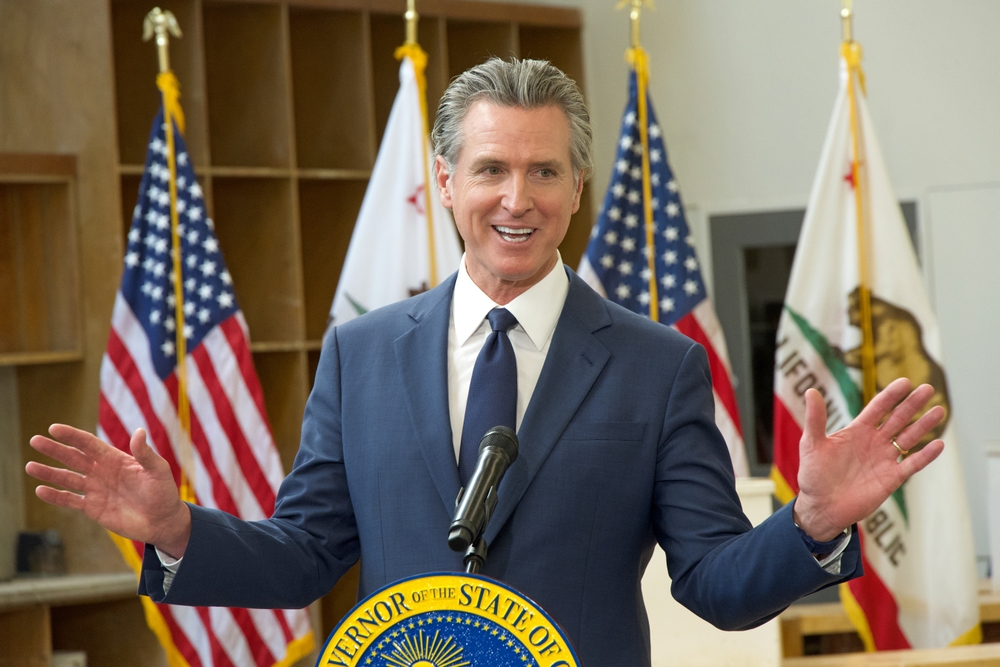
How Gavin Newsom’s Governance Could Shape the Future of Business
Gavin Newsom’s leadership is no longer just a California story it’s a business story. As he positions himself for a possible 2028 presidential run, his record as governor increasingly resembles a playbook for corporate leaders to parse: regulation, growth policy, and long-term economic vision all intersect under his stewardship. Whether you’re a CEO, investor or board director, Newsom’s governance style signals serious implications for how business may operate under a more interventionist but growth‑oriented future.
Regulatory Reform That Moves Markets
One of Newsom’s most consequential decisions recently was his overhaul of the California Environmental Quality Act (CEQA), signed in mid‑2025. By speeding up environmental reviews and reducing litigation barriers, he has cleared the way for faster housing development in dense urban centers. For businesses, that means streamlined development, more dynamic real-estate markets, and potentially lower capex costs for projects stuck in red tape.
That reform could also reshape how companies think about long-term investment in California especially in sectors like construction, proptech and infrastructure. CEOs in those industries may view Newsom’s leadership as a green light to commit capital at scale, betting on the promise of faster permit cycles and fewer regulatory delays.
Balancing Innovation with Responsibility in Tech
Newsom has taken a cautious but pointed approach to regulating artificial intelligence. In October 2025, he signed legislation that restricts certain high-risk AI applications like chatbots interacting with minors while rejecting broader, more sweeping restrictions that might stifle innovation.
This balancing act sends a clear signal to tech companies: Newsom supports innovation, but not at the cost of accountability. For CEOs and investors, that means navigating a landscape where emerging AI firms must plan not just for growth, but also compliance. Strategic investment in trustworthy, well-governed AI could pay off under a Newsom‑style administration.
Economic Momentum Through Housing and Infrastructure
Newsom’s CEQA reforms dovetail with his broader agenda to unlock housing supply a move that could have ripple effects well beyond California’s borders. By accelerating the development of multi-family housing, workspaces, and transit-linked construction, his governance could foster a more robust innovation ecosystem.
For business leaders, this is a dual opportunity: leverage more affordable real estate for scaling and participate in the public-private partnerships that may emerge to build out modern, dense infrastructure. This could particularly benefit companies in clean energy, smart cities, and construction tech.
Tax Policy and Corporate Risk
Newsom’s approach to taxation reflects complexity. He has resisted calls for a wealth tax, but he has not shied away from increasing certain business taxes in past years. That positions him as a centrist who is willing to fund his ambitious agenda while preserving the ability to attract investment.
For corporate leaders, this governance posture means proactively assessing tax risk, lobbying for favorable incentives, and engaging in public policy. Companies may need to allocate more budget to tax planning and government affairs to navigate a Newsom-led regulatory environment.

Gavin Newsom
Political Strategy: A CEO’s Playbook for Navigating Newsom’s Influence
Newsom’s potential 2028 presidential bid is more than a political gambit — it’s a signal to business: he’s building national influence by cultivating an executive-style network, raising tens of millions, and aligning with key economic stakeholders. Vanity Fair
CEOs and business strategists will want to take note. Aligning early with Newsom’s political infrastructure could unlock partnership opportunities, particularly in California’s innovation economy. At the same time, companies should prepare for policy shifts that prioritize housing, climate, and regulated innovation — even as he projects a growth-forward, business‑friendly narrative.
The Bigger Picture: Newsom as a Business‑Minded Leader
Gavin Newsom is not just a politician. He is a governance model that fuses progressive ideals with pragmatic economic strategy. For corporations, his tenure offers both promise and challenge: regulatory clarity in some areas, increased oversight in others, and a potential national footprint that could influence U.S. business policy for years to come.
In a future where business and politics increasingly overlap, understanding leaders like Newsom isn’t optional — it’s essential.