
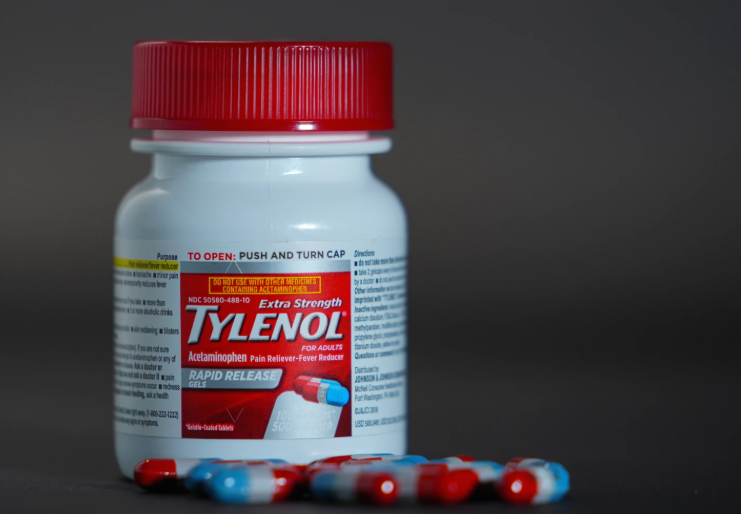
Tylenol’s Big Moment of Truth: Why the Making (and Breaking) of a Familiar Brand Matters
With Kenvue at the centre of a swirl of legal, consumer-trust and regulatory storms and Kimberly‑Clark stepping in the fate of the household name Tylenol becomes a story of a brand under pressure.
A trusted brand now in the spotlight
For decades, Tylenol has been for many households the default pain-reliever: trusted, ubiquitous, familiar. But 2025 has turned into an unexpected crucible for the brand now owned by Kenvue (the company spun off from Johnson & Johnson): criticism, scrutiny, legal petitions and a takeover all collide.
What once felt safe and steady now feels precarious and the reason is not just science, but perception. When a brand promises safety, and that promise is questioned publicly, consumer confidence can crack fast.
When science meets headlines: The acetaminophen debate
At the core: Tylenol’s active ingredient, acetaminophen (also known as paracetamol in many markets). A petition filed in the US requested that over‐the‐counter products containing acetaminophen carry warnings that use during pregnancy might increase risks of autism or ADHD. Kenvue strongly rejected those claims. “We believe independent, sound science clearly shows that taking acetaminophen does not cause autism,” the company said in a statement.
FDA Commissioner Martin Makary also weighed in with: “While an association between acetaminophen and autism has been described in many studies, a causal relationship has not been established.” Reuters+1
For consumers everyday: it means the message is complex. Many headlines screamed risk; the science keeps shaking its head. The result: confusion, mistrust, headlines—and that is every brand-manager’s worst nightmare.
Brand risk = business risk
Consumers don’t just buy pills—they buy trust. When a brand like Tylenol loses some of that trust, the ripple effects go beyond a single product. For Kenvue, whose portfolio includes Band-Aid, Listerine and Neutrogena, anything that touches the “safe-for-family” promise becomes high stakes.
According to analysis reviewed by CEO Today, when fear replaces familiarity, consumers shift away—and investors notice. Kenvue saw its share price drop double-digit percentages when rumours linked Tylenol and autism risk. Investopedia+1
In short: brand credibility equals commercial credibility.
Crisis communications: don’t just explain—engage
Handling this kind of issue requires more than press releases. Kenvue has pledged scientific transparency and reaffirmed its product safety messaging. But in the age of social media, influencers, global supply chains and instant headlines, the challenge is amplified.
For example: if a consumer sees a headline about Tylenol possibly being unsafe in pregnancy, even one click can seed doubt. It’s not enough to issue a statement; the brand must actively engage: reassuring expecting mothers, illustrating the depth of scientific review, making the everyday consumer feel heard rather than lectured.
The companies that navigate this best are those who humanise the issue--parents like you and me, not just suits in boardrooms.
Enter Kimberly-Clark: A strategic lifeline or new gamble?
In a dramatic move, Kimberly-Clark announced its intention to acquire Kenvue for about $48.7 billion in a cash-plus-stock deal. Nasdaq+2AP News+2
What this means for the Tylenol brand (and its peers) is seismic.
-
On the one hand: the acquisition gives Kenvue access to a broader consumer goods platform, global distribution scale and risk-absorption from a larger parent.
-
On the other hand: brand issues now become part of a larger machine with more stakeholders, more cost pressure and more complexity.
Kimberly-Clark itself is no stranger to brand transitions but integrating a health-brand with regulated legacy products (like Tylenol) adds a layer of challenge. The takeover may well be part rescue, part growth play.
What consumers should watch — and what this means for you
As a consumer, you may simply pick up a Tylenol packet and expect it to work. But behind that purchase are big business, big reputations and big risk calculations. Here’s what to keep in mind:
-
Stay alert for label changes or safety‐warnings: If the FDA or companies update guidance, that matters.
-
Talk to your doctor: If you’re pregnant or giving medication to children, ask about alternatives and best practices.
-
Understand that big brands aren’t immune: A name you trust may still face serious scrutiny.
For the brands themselves, expect them to double down on trust-building—clearer packaging, stronger consumer education, aggressive narrative control—and perhaps fewer novelty launches until the turbulence subsides.
Why this is bigger than one product
This story is about much more than Tylenol. It’s about how consumer-health brands operate in a world of heightened regulation, activist media, global supply chains and instant social media. The message: trust isn’t earned once; it must be continually defended.
For Kenvue, facing the tailwinds of a takeover and the headwinds of reputation questions, the next 12–18 months will likely decide whether Tylenol remains the safe default or becomes a cautionary case study in brand vulnerability.
Final word
In the heated world of consumer health, even giants can wobble. Tylenol—once shorthand for relief—is now emblematic of brand risk, regulatory heat and corporate drama. For Kenvue (and soon Kimberly-Clark), the mission is clear: prove you’re safe, relevant and worth staying with. And for you, the public, it’s a good reminder: a familiar name doesn’t always guarantee a smooth ride.
Your Quick Guide: Tylenol, Safety, and the Kenvue Takeover
Is Tylenol safe to use?
Yes. The FDA confirms acetaminophen is safe when used as directed. Always follow dosage guidelines and check with your doctor if pregnant.
Why is Tylenol in the news?
Recent petitions asked the FDA to add autism warnings. Kenvue rejects the claim, saying science does not support a link.
Who owns Kenvue now?
Kenvue, once part of Johnson & Johnson, is being acquired by Kimberly-Clark in a $48.7 billion deal.
Will this change Tylenol products?
No major changes are expected. The merger affects business ownership, not product safety or quality.