Ariana Grande’s Wicked Payday: The Truth Behind the $15 Million Rumour
Inside Hollywood’s most talked-about salary story — and what Ariana Grande and Cynthia Erivo really earned from Wicked
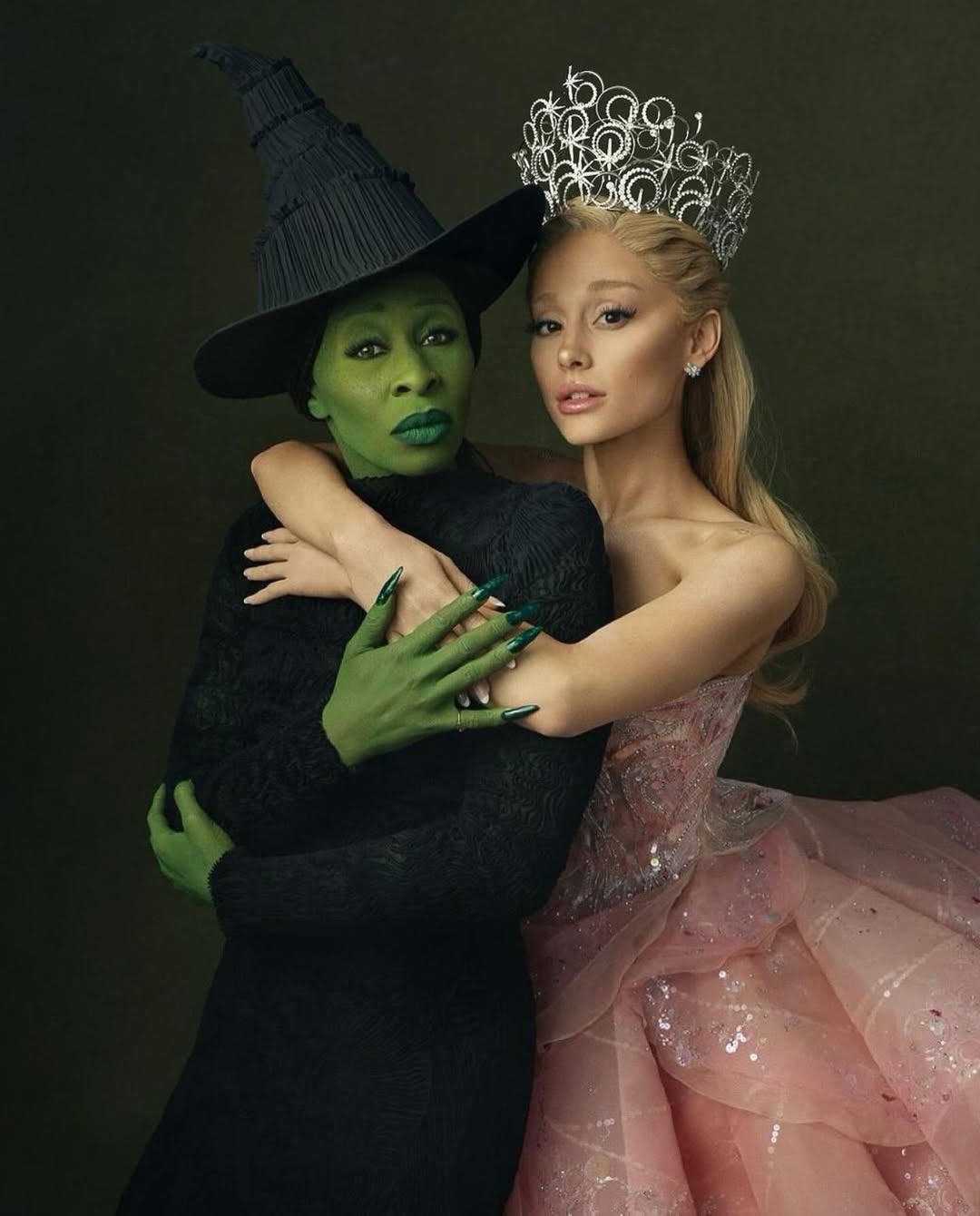
By mid-2025, few movie musicals have stirred as much curiosity, fandom, and fierce online debate as Wicked. The lavish two-part adaptation of the Broadway hit sent audiences down the yellow brick road once again, but it also sparked a storm over money. Specifically, how much Ariana Grande made for playing Glinda the Good Witch.
Rumours swirled online claiming the pop superstar pocketed $15 million, while co-star Cynthia Erivo earned just $1 million. The alleged pay gap instantly went viral. But is any of it true? The short answer: no and the real story is far more revealing about power, equality, and modern Hollywood.
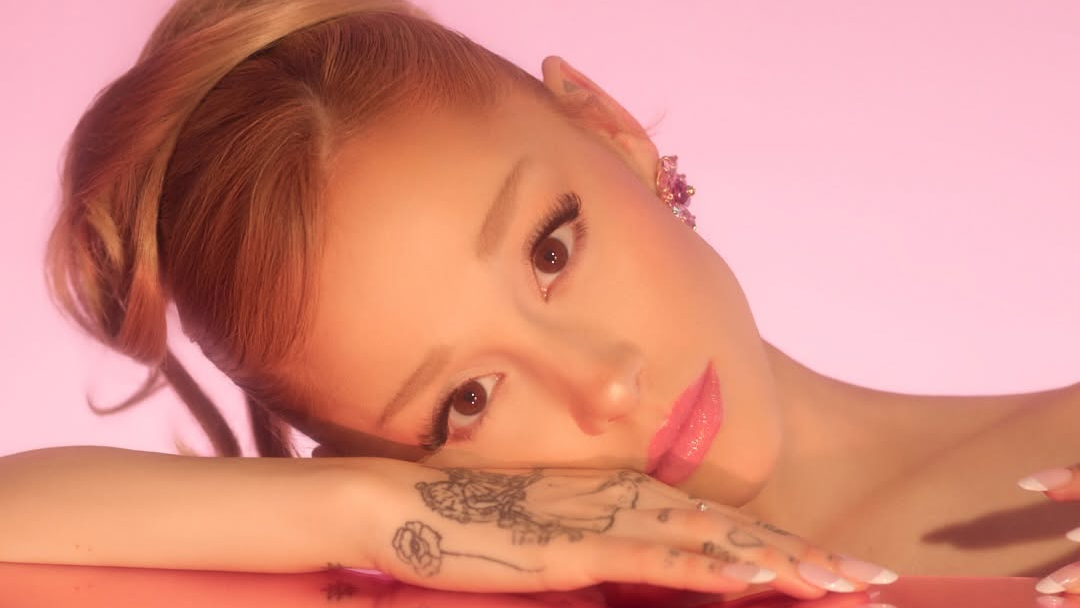
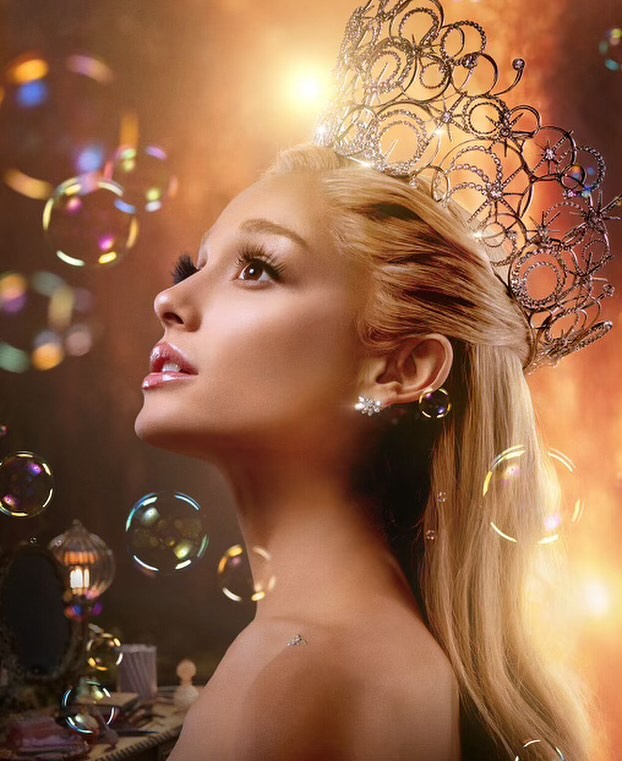
Before filming Wicked, Ariana Grande spent months training her voice with Broadway coaches, studying Glinda’s original stage mannerisms, and even dyed her hair a platinum blonde to fully embody the iconic Good Witch on screen.
The Viral Rumour That Lit Up Hollywood
When Wicked hit cinemas in late 2024, it wasn’t just the music fans were buzzing about. A screenshot claiming Grande made $15 million while Erivo made $1 million began circulating across X (formerly Twitter) and Reddit, sparking outrage.
Commenters accused the studio of hypocrisy in an industry already under fire for racial and gender pay gaps. But within days, the studio itself Universal Pictures stepped in to set the record straight.
“Reports of pay disparity between Cynthia and Ariana are completely false and based on internet speculation,” a Universal spokesperson told The Hollywood Reporter. “The women received equal pay for their work on Wicked.”
That quote, confirmed by multiple outlets including Deadline and Hello! Magazine, instantly changed the conversation.
What Ariana Grande Actually Made from Wicked
Exact salary figures haven’t been released, but insiders familiar with major studio musicals say both leads negotiated together — and walked away with matching deals.
Cynthia Erivo herself confirmed as much in an interview with the New York Post, saying:
“We both went through it — ‘What number are we doing? How do you feel about that?’ We were really honest with each other.”
Industry analysts estimate top-line pay for stars of major musicals can range from $5 million to $10 million, depending on backend bonuses, soundtrack royalties, and promotional tie-ins. That means Ariana Grande’s Wicked earnings could ultimately climb beyond the single-digit millions once bonuses and profit-sharing kick in.
According to analysis reviewed by CEO Today, backend deals tied to global box-office performance and merchandise sales could significantly boost both Grande’s and Erivo’s total compensation once the two-part saga concludes in late 2025.
Why the Pay Story Still Matters
Even though the $15 million rumour was false, the debate it triggered struck a deeper chord. Grande, a household name with over 380 million Instagram followers, naturally commands global star power. Erivo, meanwhile, brings Broadway prestige and award-winning credibility.
The perception that their pay might differ raised uncomfortable but important questions about visibility, value, and representation in Hollywood.
Entertainment analyst Tasha Collins notes:
“Social media assumed inequality because the narrative feels familiar. But in this case, both women stood side by side — literally and financially. It’s a rare example of transparent solidarity at the top of the industry.”
The Box Office and the Bigger Picture
Wicked: Part One opened to a dazzling $164 million worldwide, surpassing expectations and instantly securing its sequel, Wicked: For Good, slated for November 21, 2025. With a production budget near $150 million, the movie’s strong performance all but guarantees major sequel bonuses for its stars.
Grande’s involvement was a marketing dream for Universal, her built-in fanbase fueled viral campaigns, chart-topping soundtrack streams, and even themed collaborations with fashion and coffee brands. That halo effect could translate into additional revenue participation beyond her base salary.
Why Fans Are Still Clicking — and Why the Mystery Endures
The question “How much did Ariana Grande make from Wicked?” continues to trend because fans love a good mystery and in the absence of clear figures, speculation thrives. The viral lifecycle of celebrity pay rumours also boosts SEO and online engagement, feeding curiosity even as the truth emerges.
But what makes this story unique is its ending: two women, equally paid, equally powerful, equally celebrated. In an industry often criticised for inequality, Wicked’s leading ladies seem to have rewritten the script.
What’s Next for Ariana Grande
As Wicked: For Good gears up for release, Grande’s career momentum is unstoppable. With new music on the horizon, continued film projects, and her next fragrance line, she’s positioned to remain one of Hollywood’s highest-earning cross-platform artists.
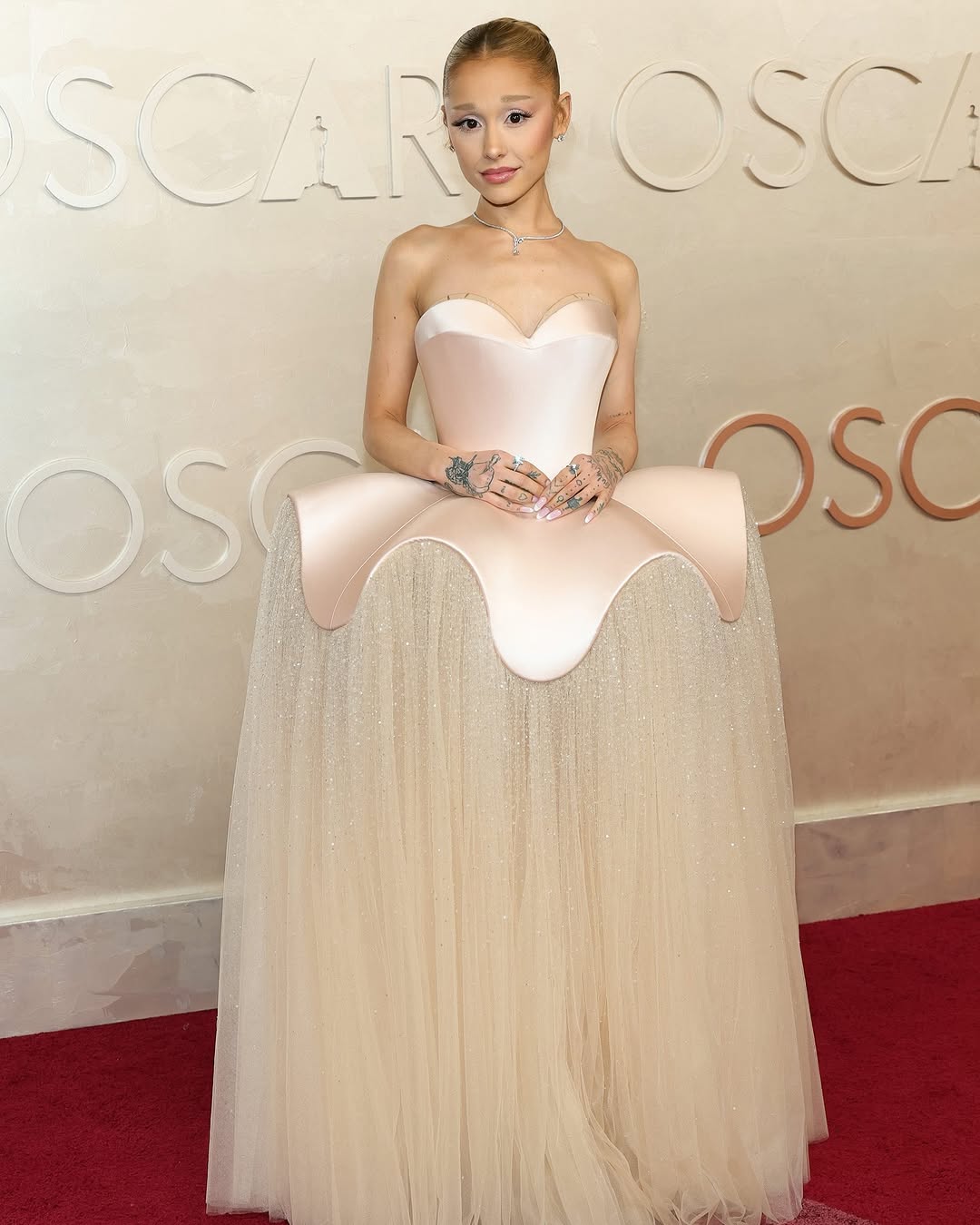
While the exact number behind her Wicked paycheck remains sealed, the takeaway is clear: Grande’s performance and her partnership with Erivo, represents more than just a payday. It’s a statement of parity in a post-#MeToo, post-strike Hollywood still figuring out what equality truly looks like on-screen and off.
Final Word
Despite all the online drama, Ariana Grande’s Wicked salary isn’t a story of imbalance — it’s one of empowerment, collaboration, and two powerhouse performers demanding fairness from an industry long resistant to it.
And if Wicked: Part Two performs as analysts predict, that shared success could soon turn into one of the biggest female paydays in musical-film history.