
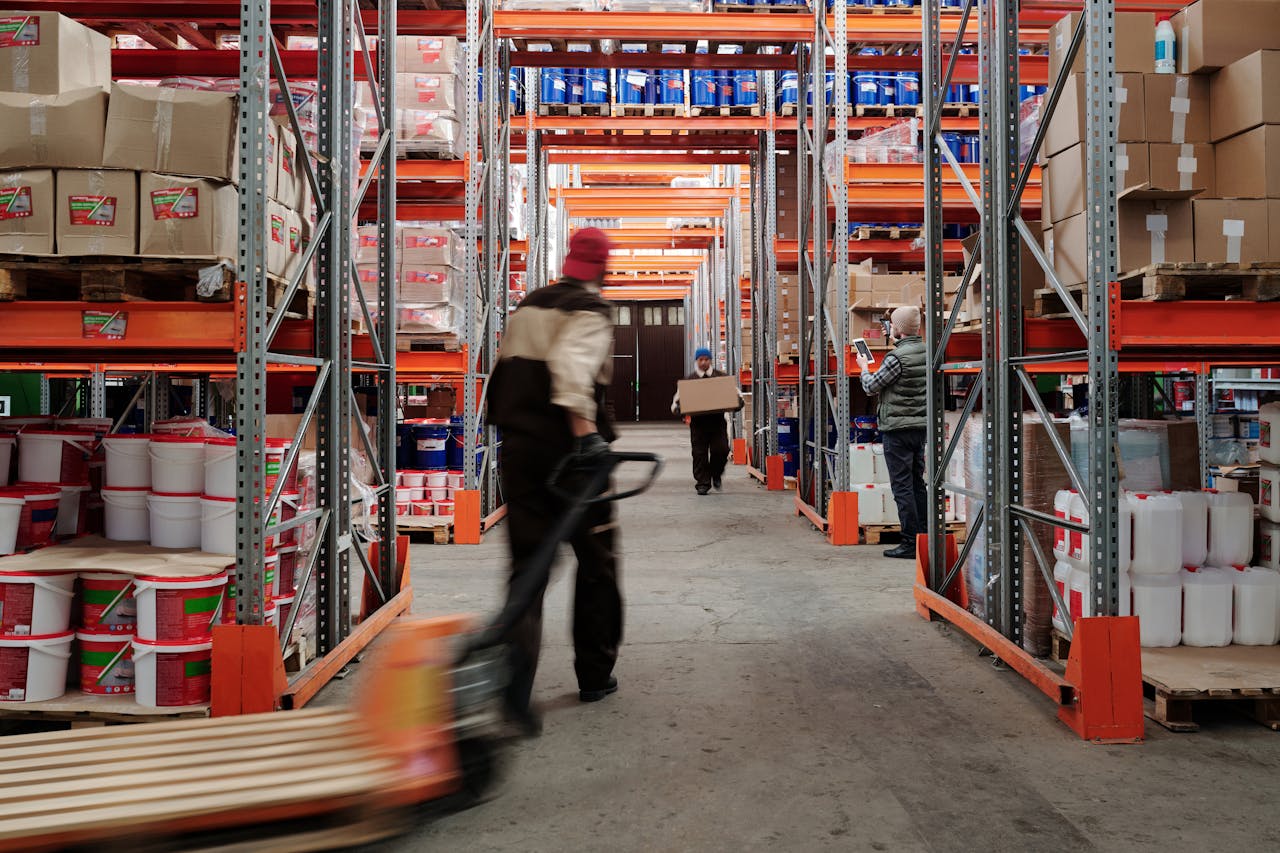
Navigating global trade requires immediate attention to the compounding effects of domestic crime and overseas conflict. Between 2019 and 2023, the theft of trucks, trailers, and cargo loads in Canada amounted to an estimated value of over $531 million. Simultaneously, international routes face severe disruptions, as major companies cancel services to and from the Red Sea to avoid escalating geopolitical hostilities. In fact, Hapag-Lloyd is charging a war risk surcharge of up to US$3,500 per container traversing the Strait of Hormuz. Securing comprehensive cargo insurance in Toronto stands as a fundamental pillar of corporate risk mitigation and financial stability today.
The Expanding Matrix of Supply Chain Disruptions in 2026
Geopolitical Flashpoints and Premium Volatility
The ongoing Middle East conflict has fundamentally altered the marine shipping environment. Analysts report that war risk premiums are up to 1,000% higher than before the crisis. Furthermore, war-hazard premiums for Red Sea transit surged from near-zero to several percentage points of a vessel's value almost overnight. Shippers must aggressively audit their contracts to survive this financial turbulence.
Standard war-risk documentation routinely falls short when vessels encounter major geographical blockades. While standard policies cover physical damage or loss of goods, they do not necessarily compensate shippers for delays caused by diversions, congestion, or operational disruptions. Carriers who rely solely on primary agreements absorb the catastrophic costs of extended lead times and canceled routes. A single rerouted shipment easily devastates a quarterly logistics budget without proper gap coverage.
The Sophistication of Domestic Cargo Theft
Supply chain vulnerabilities extend far beyond international waters into local municipal hubs. Current data reveals that Peel Region, part of the Greater Toronto Area, ranks third in North America for high cargo theft activity. Furthermore, in 2024, Ontario accounted for 85% of all reported cargo theft incidents in Canada. Organizations operating within these high-risk zones face immediate pressure to upgrade their protective measures.
Criminal syndicates execute highly coordinated operations that exploit digital security flaws. Insurers note an alarming rise in strategic theft, where examples of email spoofing and domain impersonation have been documented. This technological advancement forces underwriters to apply heavier pressure on logistics insurance applications. Companies lacking rigorous vetting processes for third-party carriers face denied claims and severe financial penalties.
Deconstructing the Underinsurance Crisis
Relying exclusively on standard carrier liability creates a devastating financial exposure for large enterprises. A comprehensive Gallagher report highlights this widening protection gap, noting that only 46% of UK businesses have insurance in place to fully cover these losses compared to 32% globally. Executives frequently misunderstand the narrow legal definition of carrier negligence until a major incident occurs.
| Feature | Carrier Liability | Comprehensive Cargo Insurance |
|---|---|---|
| Coverage Trigger | Requires proof of carrier negligence | Pays regardless of fault |
| Valuation | Pounds/Dollars per kg limit | Full commercial value |
| Natural Disasters | Typically excluded | Covered |
| Strategic Theft & Fraud | Excluded | Covered |
Standard logistics contracts uniformly reject claims resulting from unforeseen external events. The recent volatility in trade policies proves this, impacting customs clearance and routing. To maintain solvency, leaders must recognize the following critical exclusions in standard logistics contracts:
- Acts of War and Terrorism (requiring specialized war-risk riders).
- Cyber-facilitated strategic theft and domain impersonation.
- Delay-induced spoilage or business interruption.
- Force Majeure declarations by 3PL providers.
- Customs rejections and tariff volatility.
Partnering with Regional Experts for Strategic Advantage
Navigating this fractured landscape requires specialized brokerages rather than basic, off-the-shelf policies. A staggering amount of capital remains at risk, considering trucks moved US$39.5 billion in freight between Canada and the U.S. in just one month. Forward-thinking executives recognize that securing tailored cargo insurance in Toronto establishes a fortified line of defense against both local theft and international transit failures.
A premier commercial brokerage serves as a vital partner for businesses requiring highly customized coverage frameworks. Specialist teams demonstrate deep expertise in structuring precise policies and implementing critical mechanisms, including open cover for multiple consignments, contingent cargo for broker protection, and specialized freight forwarder insurance. These tailored solutions are essential given the stark reality of theft recovery; while the average value per recovered cargo load in Canada is approximately $114,000, only about 10% of stolen loads are ever successfully recovered. This specialized approach allows organizations to maintain strict control over their financial liabilities before a total loss occurs.
For C-suite leaders managing high-value shipments, expert advocacy is indispensable. With electronics currently accounting for 31% of all cargo thefts, a dedicated brokerage provides the data-backed underwriting needed to ensure robust balance-sheet protection. Partnering with an experienced firm guarantees operational security, transforming an unpredictable supply chain into a thoroughly protected corporate asset.
Calibrating Logistics Risk Models for 2026 and Beyond
Modernizing logistics frameworks demands high-level institutional financial resilience against shifting global trade rules. Regulatory changes and international disputes produce immediate supply chain bottlenecks, driving demand for agile tracking tools. Specifically, this uncertainty is projected to drastically increase demand for supply chain risk intelligence and monitoring services across all major sectors.
Executives must treat the supply chain as a critical asset class, mirroring the strategic diversification of assets seen in top-tier corporate empires. Organizations achieve this advanced operational security through the implementation of data infrastructure and AI-driven risk modeling to track real-time transit threats. Despite the clear advantages, a study suggests that only 10% of companies currently use AI for supply chain management, representing a massive competitive advantage for early adopters.
Institutionalizing Resilience in Global Transit
Absorbing a total cargo loss is a systemic threat to cash flow, not merely a localized operational hiccup. The stakes continue to rise, as analysts predict the Global Maritime Cargo Insurance Market will grow at a CAGR of around 5.84% during the next decade. Industry leaders cannot afford passive strategies in an era defined by macro-instability and sophisticated micro-theft.
With global border networks reporting nearly 16,000 recorded incidents of cargo theft reaching record levels last year alone, complacency is no longer an option. C-suite executives must audit their existing transit liabilities and partner with specialized brokerages to close protection gaps before the next geopolitical or domestic disruption occurs. Taking decisive action guarantees that vital shipments remain protected regardless of unpredictable global variables.
Disclaimer: The content provided in this article is for informational purposes only and does not constitute financial, investment, legal, or tax advice. The views expressed are those of the author and do not necessarily reflect the official policy or position of CEO Today Magazine. Readers should conduct their own research and consult with a qualified professional before making any investment decisions. Past performance is not indicative of future results.