Property investors and homeowners alike are always looking for upgrades that deliver real returns.
Interior renovations get most of the attention, but the exterior tells buyers whether a property is worth stepping inside.
According to Remodeling's 2024 Cost vs. Value Report, 90% of projects with the highest ROI were exterior home improvements. That number should change how you think about your next investment.
Why Exterior Improvements Drive Higher Returns
First impressions in real estate are formed within seconds.
A well-maintained exterior signals to buyers that the entire property has been looked after, reducing the mental discount they apply during negotiation.
Research from HomeLight shows that landscaping upgrades, including fencing, can return up to 212% of their cost when a home is sold.
The ROI Case for Fencing
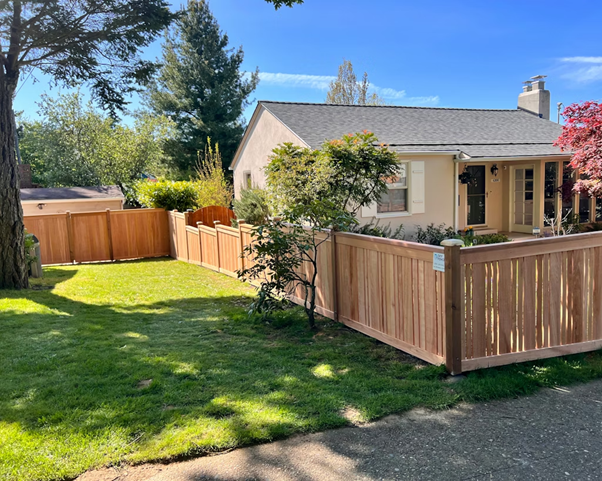
Fencing is one of the most underestimated exterior investments a property owner can make.
Data from Angi shows that homeowners typically recover between 30% and 70% of their fence installation cost at resale, with the average return sitting around 50%.
Beyond the dollar figure, fenced properties sell approximately 18 days faster on average, according to industry data from Cedar Rustic Fence Co.
The National Association of Realtors reports that fencing, as part of a landscaping package, can add up to 20% to a home's total value under the right conditions.
67% of real estate professionals say fences make a property more appealing, particularly to families with children or pets.
Fence Type Comparison: Which Delivers the Best Return?
Not all fences are equal. Material, height, and style all affect both cost and ROI.
| Fence Type | Avg. Cost / Linear Ft | Typical ROI | Best For | Maintenance |
| Wood (Cedar) | $15 – $30 | 50 – 70% | Privacy, curb appeal | Moderate (staining) |
| Vinyl | $20 – $40 | 50 – 65% | Low-maintenance homes | Low (wash only) |
| Wrought Iron / Aluminum | $25 – $45 | 45 – 60% | Front yards, pools | Low |
| Chain Link | $8 – $18 | 20 – 35% | Pet containment | Low |
| Composite | $30 – $50 | 55 – 65% | Modern aesthetics | Very Low |
Wood and vinyl fences consistently deliver the strongest returns because they balance curb appeal with durability, according to mygarageandgates.com.
Chain link, while practical, adds minimal aesthetic value and is best reserved for utility areas rather than front or side yards.
What Buyers Actually Want in a Fenced Property
Understanding buyer psychology is just as important as picking the right material.
Privacy ranks as one of the top demands for modern homebuyers, particularly in high-density suburban areas where lots sit close together.
For families with pets or young children, a fenced yard is often a non-negotiable feature, not a nice-to-have.
According to appraiser data from KW Appraisal Group, over 62% of U.S. households own pets, making a secure yard a powerful selling point for a significant portion of the buyer market.
Expert Comment
"A quality, well-maintained fence can be an asset that nudges the discerning buyer to choose your home over the one down the street," notes a certified appraiser from KW Appraisal Group with nearly 20 years of experience evaluating close to 8,000 properties.
Professional Installation vs. DIY: Does It Matter?
Professional installation adds roughly $1,600 to the average fence project, but the return justifies the cost.
A poorly executed DIY fence that leans, warps, or breaks can actively reduce a property's value and signal neglect to buyers.
For homeowners in Round Rock, TX, working with a professional fence installation company ensures the fence is level, properly anchored, and compliant with local permit requirements, protecting both the investment and the resale value.
5 Factors That Determine Your Fence's ROI
- Material quality: Vinyl and cedar consistently outperform chain link in resale appeal.
- Height: Privacy fences at 6 feet or taller offer more value than decorative shorter fences.
- Neighborhood norms: Installing a fence that matches what neighbors have tends to be rewarded by buyers.
- Condition at time of sale: A deteriorated fence can subtract value rather than add it.
- Professional installation: Proper permits and workmanship protect both value and future marketability.
How Fencing Fits Into a Broader Property Strategy
A fence works best as part of a coordinated exterior upgrade, not as a standalone fix.
Pairing fencing with landscaping, a refreshed front door, or driveway improvements creates a complete look that can dramatically lift buyer interest. The CEO Today Business section regularly covers how strategic capital allocation drives stronger returns, and property is no different.
For CEOs and business leaders who own real estate as part of their investment portfolio, the principle is the same as in corporate strategy: targeted, evidence-based spending outperforms broad, reactive spending. You can explore more on this theme in CEO Today's Leadership articles.
Frequently Asked Questions
Does a fence always increase property value?
Not automatically. The material, condition, and local buyer expectations all play a role. A well-maintained wood or vinyl fence in a family-oriented neighborhood is most likely to add measurable value.
What fence type has the best ROI?
Wood (cedar) and vinyl fences consistently deliver 50 to 70% cost recovery at resale, making them the top performers for most residential properties.
How much does fence installation typically cost?
The national average sits around $3,200 for a standard residential fence, though costs vary significantly by material, property size, and region.
Does a fence help a home sell faster?
Yes. Properties with fences sell approximately 18 days faster on average than comparable unfenced homes, according to available market data.
Is professional installation worth the extra cost?
Yes. A properly installed fence signals quality and care to buyers. Poorly executed DIY work can reduce curb appeal and lower offers.
Do I need a permit to install a fence?
In most U.S. cities and suburbs, yes. Permit requirements vary by location, height, and material. Always check local codes before starting work.