Tow-Behind Offset Flail Mower Agricultural Equipment in the United States: Market Context and Operational Importance
Agriculture in the United States operates on a large scale and requires dependable equipment to maintain productivity across diverse terrain and crop systems. Farm managers, equipment operators, and procurement teams often rely on specialized mowing equipment to manage vegetation along field borders, service roads, irrigation areas, and storage facilities. Efficient vegetation control supports safe transportation routes, reduces fire risk, and improves access to farmland infrastructure.
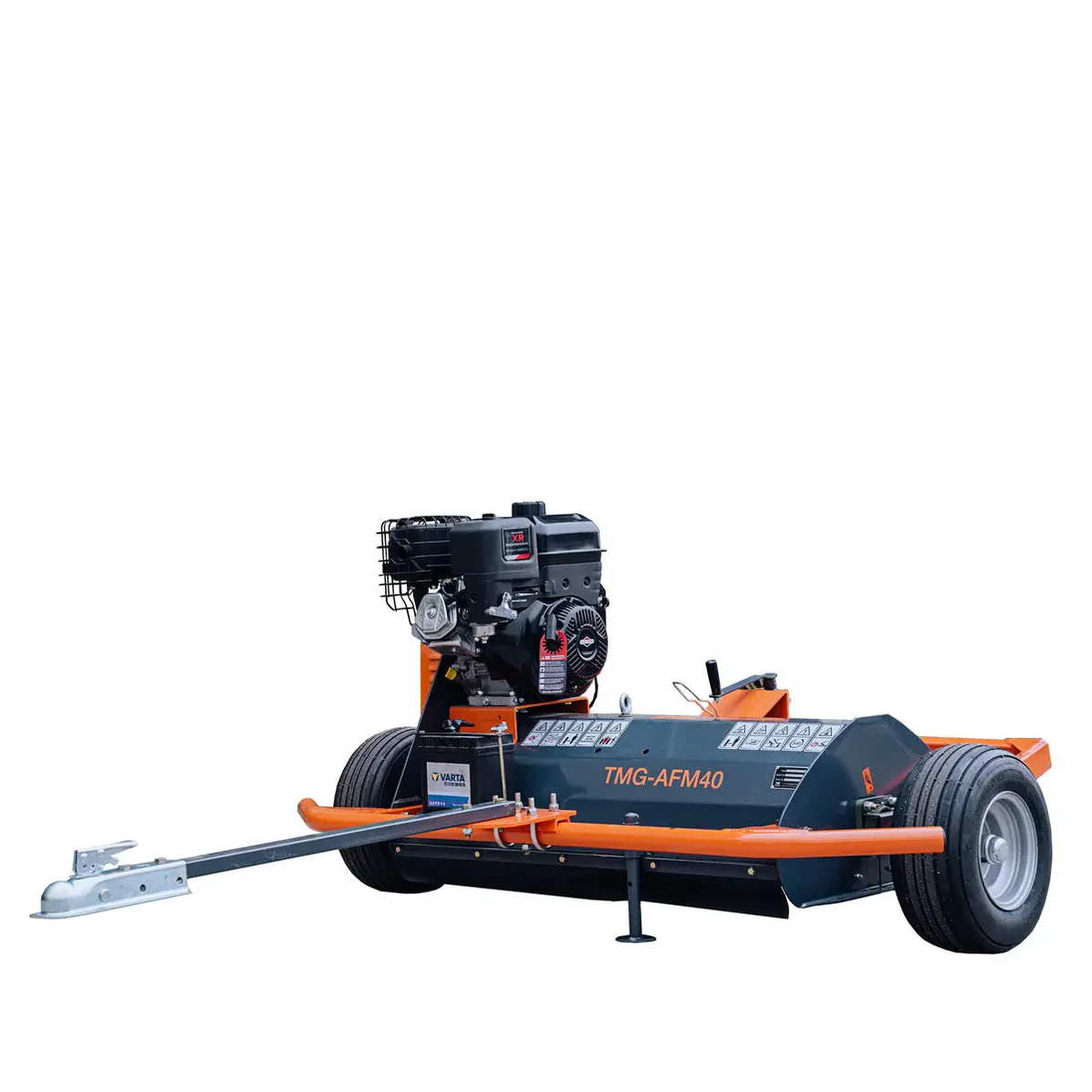
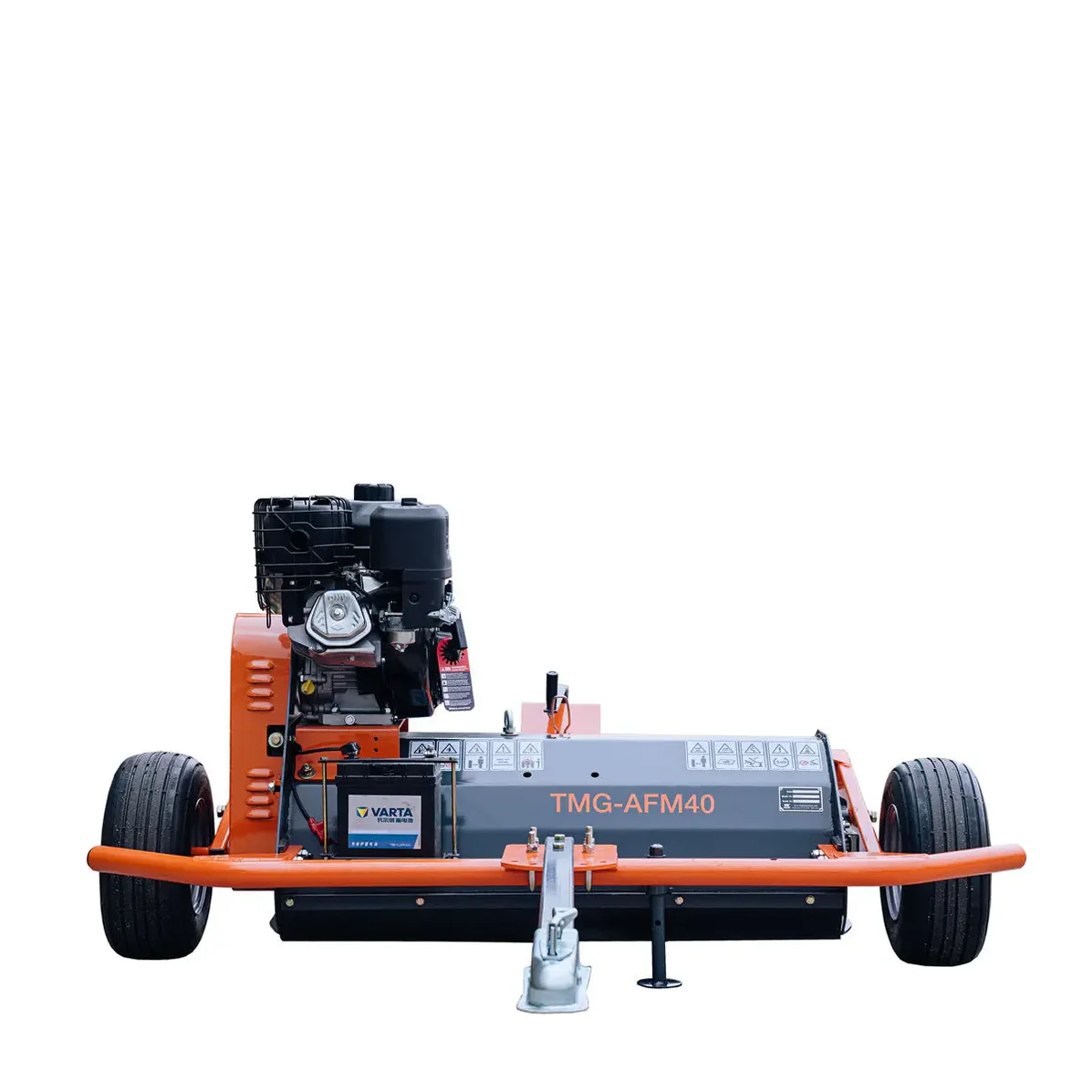
Flail mowing systems have become an important part of this process. A tow-behind offset flail mower is designed to connect to small tractors, all terrain vehicles, or utility task vehicles, allowing operators to manage vegetation in locations where large agricultural machinery cannot operate effectively. Equipment such as the Tow-Behind Offset Flail Mower represents one example of machinery used to support routine vegetation maintenance in agricultural and industrial environments.
Overview of Flail Mowing Technology and Common Use Cases
A flail mower operates using a rotating horizontal drum fitted with multiple small blades known as flails. As the drum rotates at high speed, the flails strike and cut vegetation. This mechanism allows the mower to process grass, weeds, light brush, and crop residue with controlled cutting action.
Common operational scenarios include:
- Maintenance of field edges and access paths
- Vegetation control around warehouses or storage facilities
- Clearing weeds along fences and irrigation systems
- Managing vegetation in orchards, vineyards, and small farms
- Industrial property maintenance and roadside vegetation control
The offset capability allows the cutting head to extend to one side of the towing vehicle. This configuration helps operators reach areas that are difficult to access with standard center-mounted mowers.
Why Efficiency and Productivity Matter in Vegetation Management
Agricultural operations depend on time management and equipment availability. Delays in vegetation maintenance can affect field accessibility, irrigation inspection, and transportation routes used by machinery and logistics vehicles.
Efficient mowing equipment contributes to:
- Reduced labor time for routine maintenance
- Improved visibility along field and road boundaries
- Lower risk of equipment damage from unmanaged brush
- Better access for inspection and logistics operations
For warehouse operators and logistics personnel who manage agricultural supply chains, reliable vegetation management also helps maintain safe vehicle movement around storage yards and loading areas.
Technical Foundations and Equipment Capability Considerations
Selecting a tow-behind flail mower requires an understanding of several technical factors that affect operational performance. These factors determine how well the mower integrates with existing vehicles and work processes.
Key technical considerations include:
- Engine power and compatibility with the towing vehicle
- Cutting width and mowing capacity
- Offset distance for reaching edges or slopes
- Blade type and drum speed
- Durability of the frame and protective housing
Equipment operators and procurement specialists often evaluate these factors to ensure that the mower supports both agricultural and industrial maintenance tasks.
Factors That Influence Performance and Effectiveness
The performance of flail mowing equipment depends on several operational and environmental conditions. Understanding these variables helps operators maintain consistent results.
- Vegetation density and moisture levels
- Terrain slope and ground stability
- Maintenance condition of blades and belts
- Operator speed during mowing
- Frequency of routine inspection and lubrication
Regular equipment maintenance and proper adjustment of cutting height are necessary to ensure efficient operation across different vegetation types.
Safety Considerations and Operational Best Practices
Safety remains a primary concern in agricultural and industrial mowing operations. Rotating cutting mechanisms require proper handling and operator awareness.
Recommended safety practices include:
- Inspect equipment before each use
- Wear protective clothing and eye protection
- Maintain safe operating speed
- Avoid mowing near loose debris or stones
- Ensure bystanders remain at a safe distance
Organizations often incorporate these practices into equipment training programs for operators working in agricultural or industrial maintenance environments.
Equipment Types, Tools, and Attachments
Vegetation management operations may involve several equipment configurations depending on the scale of work.
- Compact tractor mounted flail mowers
- Three point hitch flail mowing systems
- Tow-behind offset flail mowers for small vehicles
- Roadside vegetation control machines
- Replacement flail blades and maintenance tool kits
Each configuration addresses different operational needs, ranging from large scale field management to localized maintenance around infrastructure.
Advantages and Operational Limitations
Like most agricultural machinery, flail mowing equipment presents both benefits and limitations that should be considered before deployment.
Advantages:
- Controlled cutting action with reduced debris projection
- Capability to process grass and light brush
- Improved reach with offset cutting configuration
- Compatibility with smaller utility vehicles
Limitations:
- Lower cutting speed compared with rotary brush cutters
- Regular maintenance required for blades and belts
- Limited capacity for heavy woody vegetation
Real World Operational Example
In many agricultural storage facilities across the United States, vegetation management occurs around grain storage areas, access roads, and drainage channels. A warehouse maintenance team may use a utility task vehicle equipped with a tow-behind flail mower to maintain vegetation around these areas without disrupting truck movement or loading operations.
The offset mowing capability allows operators to cut vegetation near fences and drainage edges while maintaining safe vehicle positioning on stable ground. This approach helps reduce manual trimming work and improves visibility for transportation vehicles entering the facility.
Conclusion: Operational Value and Future Trends
Vegetation management remains a routine but essential task across agricultural, logistics, and industrial environments. Tow-behind offset flail mowers provide a practical solution for maintaining vegetation in locations that require maneuverability and controlled cutting action.
As agricultural operations continue to adopt compact utility vehicles and flexible maintenance equipment, the demand for adaptable mowing systems is likely to grow. Improvements in durability, operator safety, and equipment compatibility will continue to shape the development of flail mowing technology in the coming years.
Understanding the operational principles, safety practices, and equipment considerations associated with flail mowing systems helps organizations make informed decisions when selecting tools for vegetation management and infrastructure maintenance.