From Kitchen Experiment to National Distribution: Leadership Lessons from Symplicity
Building a food brand rarely stops at developing a good product. What begins with experimentation in a kitchen quickly becomes a business shaped by production bottlenecks, fragile supply chains, equipment failures and tight margins. As demand grows, small operational problems become larger and more expensive ones.
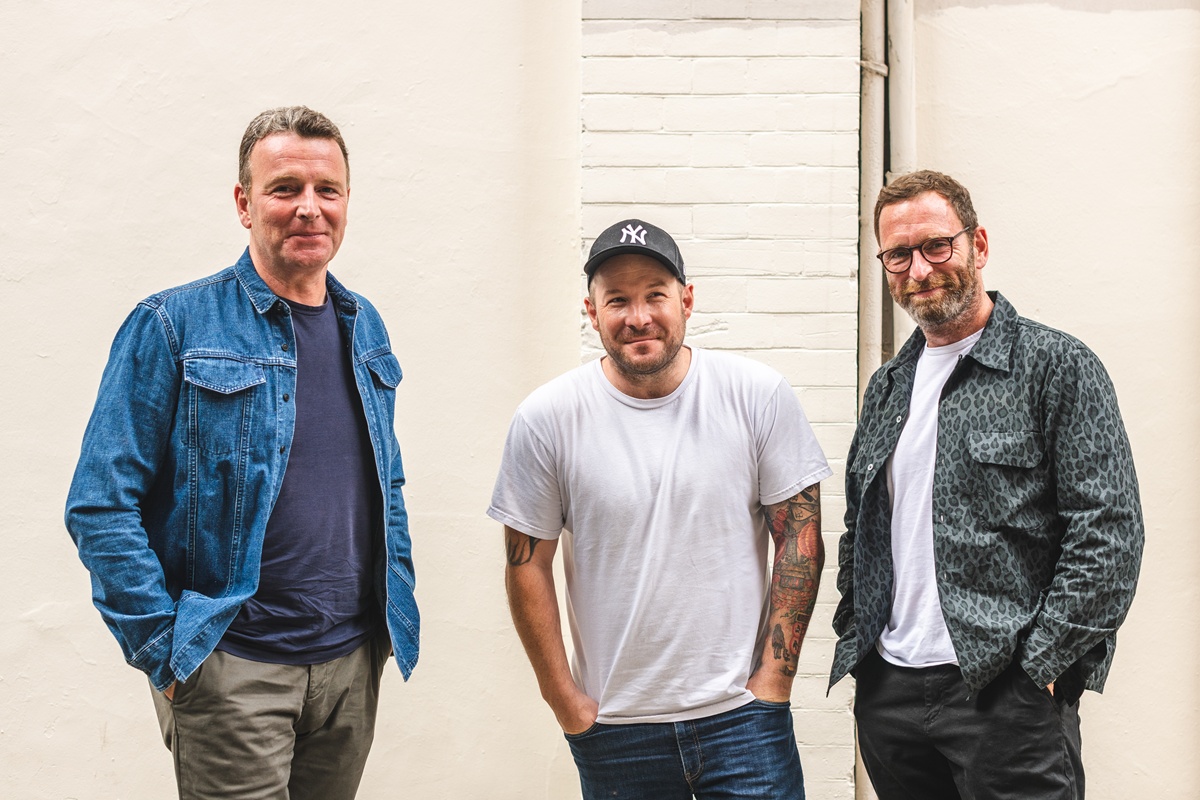
Symplicity began with chef Neil Rankin experimenting with fermentation to see whether vegetables could deliver the depth of flavour and texture usually associated with meat. During the pandemic, the kitchens of the Homeslice restaurant group became improvised development labs while the early recipes and processes were refined. As restaurants reopened and chefs began using the products, the business grew quickly, eventually supplying more than 1,000 restaurant partners across the UK before moving into retail.
In this interview, Alan Wogan, CEO of Symplicity, reflects on the realities of scaling a food company — dealing with broken machinery, failed deliveries, rising ingredient costs and the operational pressure that comes with rapid growth. He also discusses the leadership decisions required to turn early momentum into a stable, repeatable business.
What did it really take to grow from a startup to more than 1,000 restaurant partners - and where did things go wrong?
Scaling a food business is a challenge. In the early days symplicity. started in a very hands-on way. Neil had been experimenting with fermentation to see if vegetables could deliver the kind of depth of flavour and texture normally associated with meat. When COVID hit and restaurants closed, the Homeslice restaurant kitchens owned by myself and my brother Mark essentially became fermentation labs while we worked out the recipes and the process. Once chefs started tasting the results, the growth happened very organically. Kitchens talk to each other. If a product works, word spreads. But growth also exposes weaknesses. When you’re small you fix things as they appear, we broke a sausage machine most weeks, some deliveries failed, packaging fell apart, customers went into administration, but when the business starts scaling those same problems become much more expensive. We definitely had moments where the business grew faster than our systems. You also make decisions quickly in a fast-moving company, and not all of them are right. That’s just part of the process. What matters is learning quickly and having the right people around you to build structure as you go.
How have you dealt with squeezed margins and rising production costs?
It’s something every food business is dealing with at the moment. When you’re a young company you’re still refining everything -suppliers, transport, production processes - and inevitably things go wrong. Machinery breaks, deliveries are delayed, and sometimes you have to solve problems very quickly.
The way we’ve approached it is by building strong relationships with suppliers and focusing on efficiency as the business grows. Scale helps over time, but managing margins is something you end up thinking about almost daily. The one thing we’ve always been clear on is that we won’t compromise on ingredient quality. The whole idea behind symplicity. is that vegetables can deliver great flavour if you treat them properly, so cutting corners on ingredients would defeat the point.
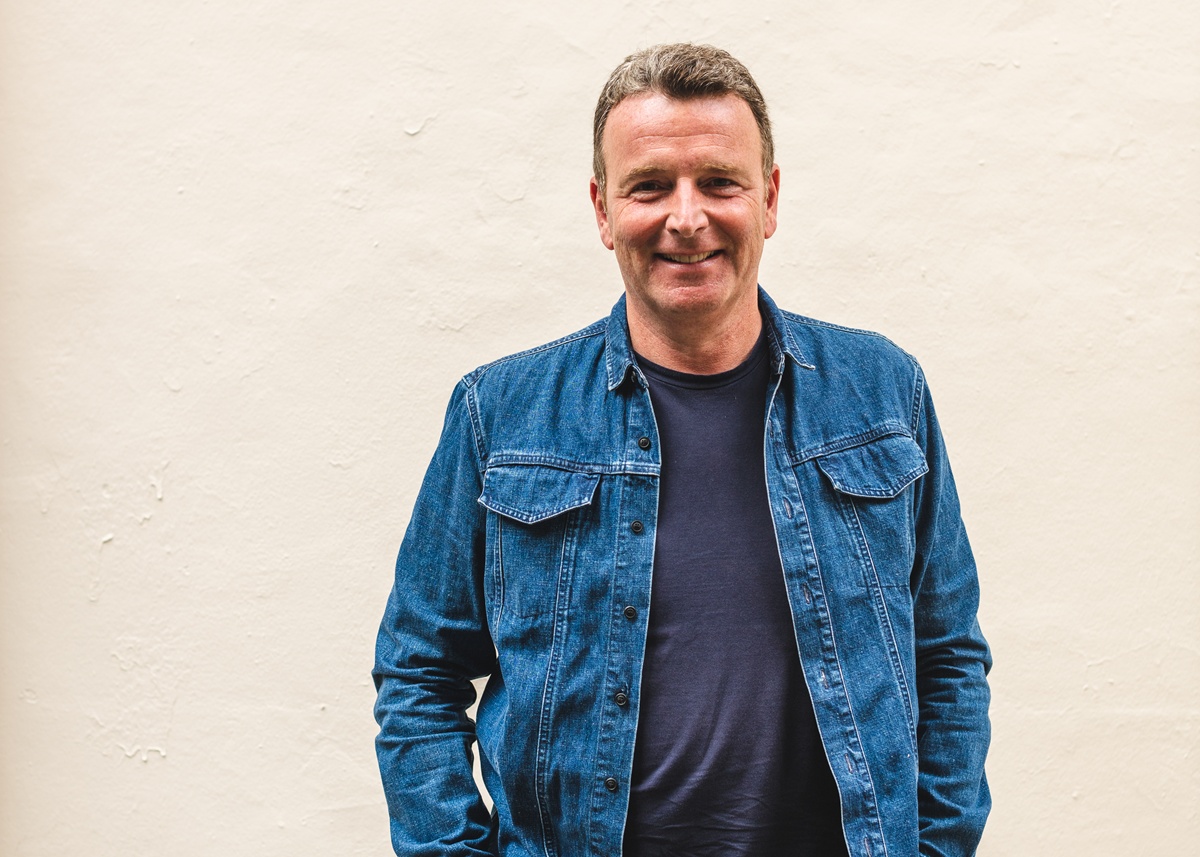
Alan Wogan is Co-founder & CEO, symplicity.®
What does it take to win and keep major distribution partners?
Reliability. Distributors need to know that you can deliver consistently and that you’ll communicate clearly when things change. Winning those partnerships often takes time because larger businesses move cautiously. In our case, credibility from the restaurant world helped. Chefs across the UK were already cooking with the products before we started expanding into other channels, and that gave partners confidence that there was genuine demand behind the brand. Keeping those relationships is really about consistency. Delivering what you said you would deliver, forecasting realistically, and being transparent when challenges arise.
Like most long-term relationships in business, trust builds gradually.
How do you cope with unpredictable input costs and supply pressures?
The honest answer is that unpredictability is part of the job. Food supply chains are constantly moving. Ingredient prices change, demand shifts, and customers rarely order in perfectly predictable patterns. In theory it would be easier if everything stayed consistent, but that isn’t how the real world works.
The best protection is strong relationships and good planning. You work closely with suppliers, manage lead times carefully and try to stay flexible when things change. And again, it comes back to having the right team. They’re the ones solving problems every day while still keeping customers happy.
What did launching and running a retail channel actually involve day to day?
Retail looks simple from the outside. Someone walks into a shop, picks a product off the shelf and that’s it. Behind the scenes it’s far more complex.
You’re dealing with packaging specifications, compliance, shelf life, depot deliveries, promotional calendars and forecasting, all happening at the same time. Small mistakes can scale very quickly if you don’t react early. What’s been rewarding is seeing the brand move from restaurant kitchens into people’s homes. For years chefs had been using the products as ingredients in their dishes. Retail is about giving home cooks access to those same flavours. Day to day it’s a lot of monitoring, adjusting and planning ahead. It’s operationally intense, but when you finally see people recognising the brand on shelf it makes the hard work worthwhile.

How are you thinking about digital transformation across marketing, production and operations?
Digital tools are becoming increasingly important across the whole business. Whether it’s marketing performance, production planning or logistics, better data helps you make better decisions. But for a growing company the key is always balancing investment with practical value. Technology should make things clearer and faster, not more complicated. So the focus for us is using systems that genuinely improve how we operate, rather than adopting technology simply because it sounds impressive.