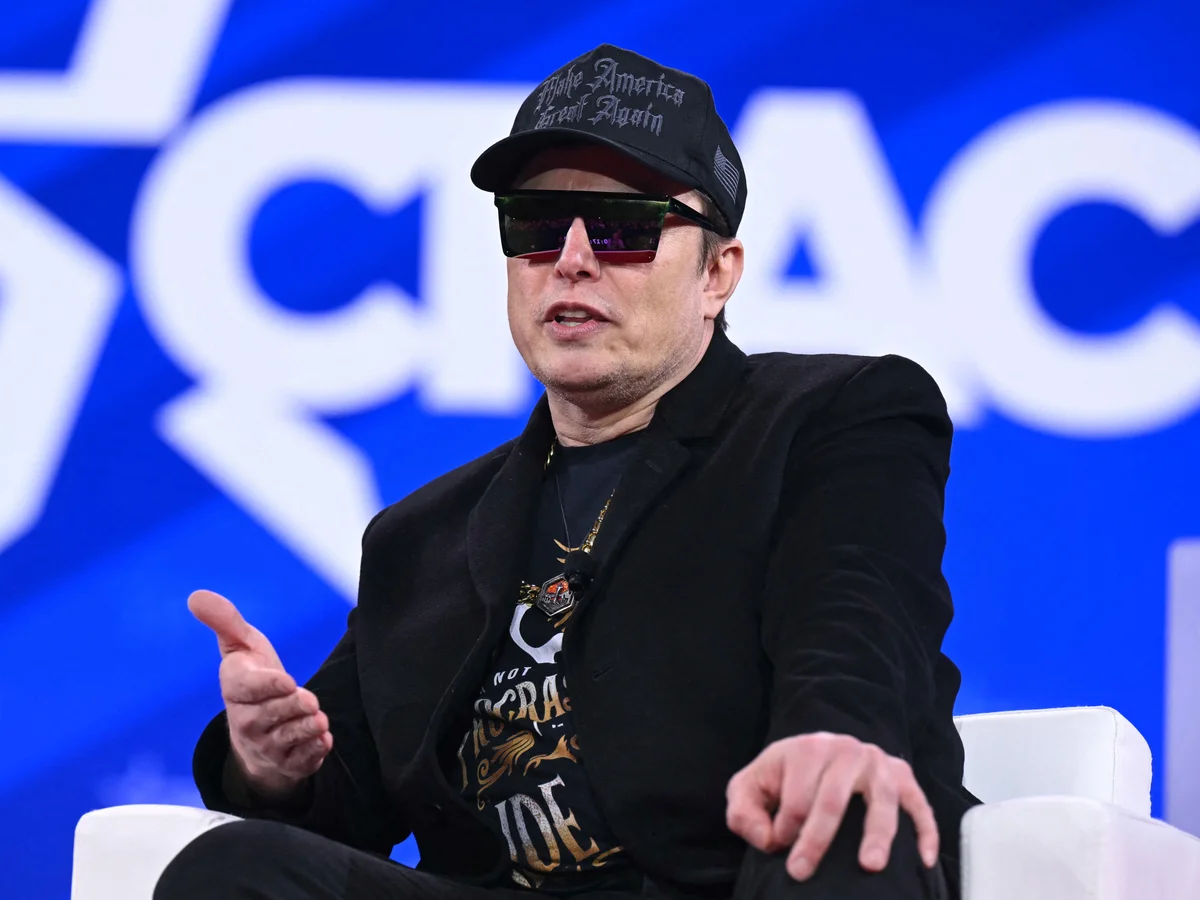
Elon Musk Says Work Is Optional, but Your Rent Still Needs Paying
What became constrained first was not technology, but authority. As artificial intelligence accelerates and automation reshapes labor markets, control over how societies respond is no longer sitting solely with corporate leaders.
This week, attention turned to who actually holds the power to manage the consequences, as governments began signaling they may need to step in where business visions leave gaps.
The shift gained visibility after Elon Musk once again outlined his belief that work will eventually become optional, replaced by a robot-powered economy sustained by universal income. That idea has circulated for years. What changed this week is that a senior UK government official publicly acknowledged that such a future may require state intervention far sooner than expected.
The Power Trigger
The trigger came from outside Silicon Valley. The UK’s minister for investment, Lord Jason Stockwood, told the Financial Times that the government is actively considering a form of universal basic income to cushion workers displaced by artificial intelligence. The proposal does not commit the government to immediate action, but it marks a clear acknowledgment that existing labor systems may no longer absorb technological disruption on their own.
That statement placed a formal constraint on corporate autonomy. Decisions about how displaced workers are supported would no longer rest solely with employers, markets, or innovation cycles. Authority over the outcome would be shared with policymakers.
Why This Changes Leadership Reality
For business leaders, this marks a narrowing of discretion. Visions of automation-led abundance have typically assumed that markets would self-correct through new jobs, reskilling, or productivity gains. Once governments begin discussing unconditional income as a stabilizer, it signals that those assumptions are under review.
Timing matters. AI adoption is advancing faster than labor transitions can absorb. When political leaders acknowledge that gap publicly, it limits how freely executives can frame automation as a net-positive without addressing displacement. Leadership autonomy does not disappear, but it becomes conditional on broader social consequences.
The Status Instability Zone
This shift introduces status pressure at the top. CEOs who once defined the future of work now find that governments are preparing parallel responses that may override corporate narratives. Authority over workforce outcomes becomes shared, negotiated, and potentially contested.
That dynamic unsettles confidence without creating villains. Executives are not being accused of wrongdoing, but their control over downstream effects is visibly constrained. The signal is subtle but powerful: vision alone no longer guarantees influence.
A Pattern Beyond One Leader
This is not isolated to Musk or the UK. Similar conversations are emerging across Europe and parts of the United States as AI-driven job displacement accelerates. Central banks, regulators, and labor ministries are all being pulled into discussions that were once dominated by technology firms.
When multiple governments begin exploring income support mechanisms tied to automation, it reflects a broader tightening of discretion. Corporate leaders across sectors may face similar limits as policy frameworks catch up with innovation speed.
The Strategic Tension
The unresolved tension sits between leadership and oversight. Business leaders move fastest when unencumbered by regulation. Governments move cautiously but intervene when stability is threatened. Universal basic income sits directly at that intersection.
If companies drive efficiency gains that outpace labor absorption, public institutions may assert control over redistribution. That raises a difficult question: how much independence does leadership retain when the social contract itself is being renegotiated?
What Happens Next
What happens next is not resolution, but scrutiny. Policymakers will continue evaluating whether existing safety nets can handle AI-driven displacement. Executives will watch whether government interest turns into formal policy or remains exploratory.
Control is unlikely to snap back quickly. Once governments acknowledge a potential structural gap, authority tends to diffuse rather than reconsolidate. Leaders may regain influence, but not unconditional autonomy.
Power Without Guarantees
This moment reveals a deeper shift in how power functions at the top. Leadership remains influential, but it is no longer absolute. Authority depends increasingly on alignment with institutions that control stability when markets falter.
Power has not vanished. It has become conditional, shared, and subject to pause. For CEOs watching this unfold, the lesson is quiet but unmistakable: control in the AI era comes with fewer guarantees than before.