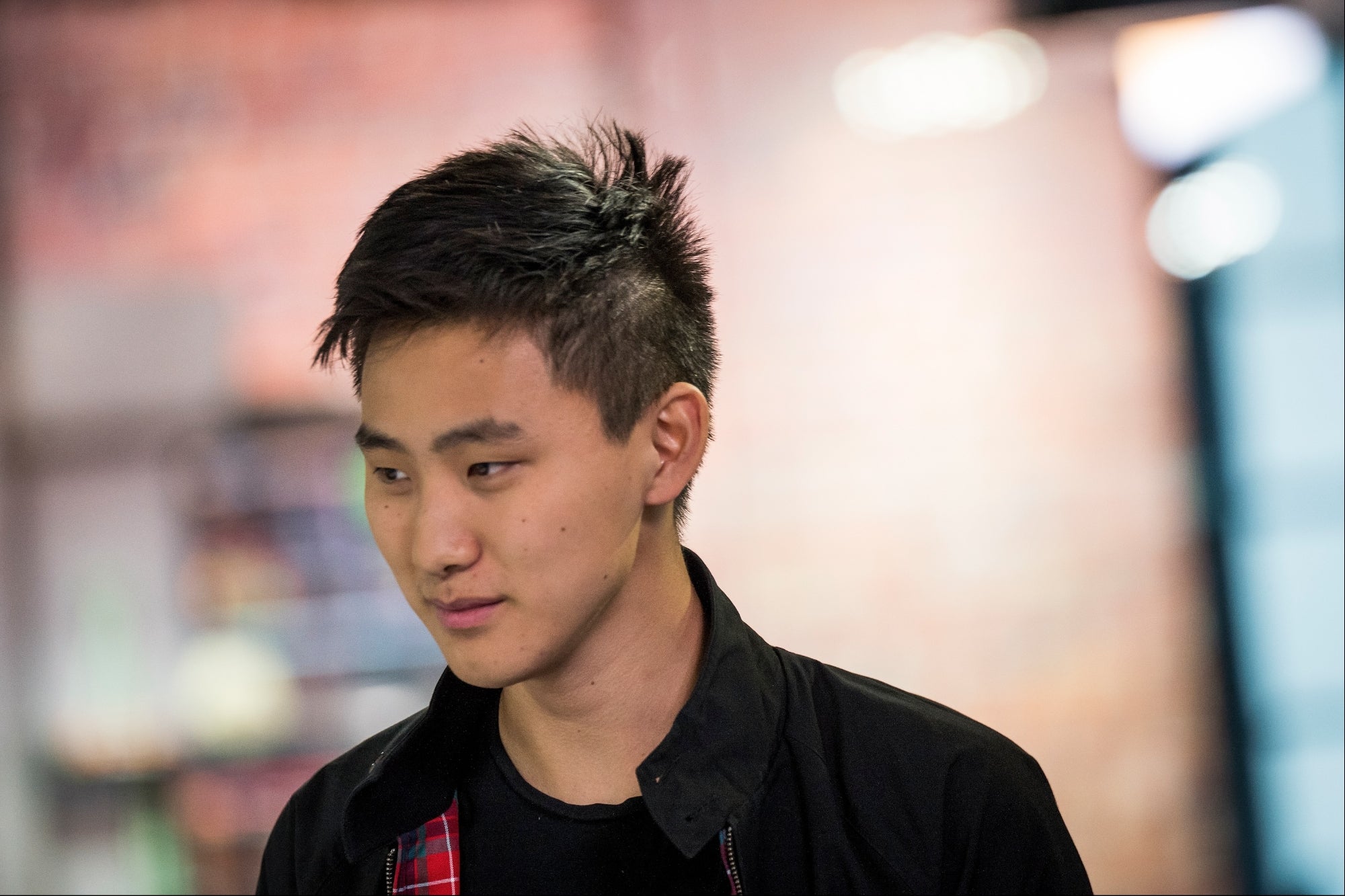
Alexandr Wang Is 29, Running Meta’s AI — and Why His Authority Is Already Being Questioned
When Meta quietly handed one of the most strategically sensitive roles in artificial intelligence to Alexandr Wang, it wasn’t just a hiring decision. It was a signal that power inside Big Tech’s AI race is shifting faster than experience, hierarchy, or internal consensus can keep up with.
At 28, Wang is now the most expensive AI “acqui-hire” in Silicon Valley history, after Meta agreed to buy nearly half of Scale AI and install its founder at the center of its superintelligence ambitions. The price tag — roughly $14 billion in implied valuation — instantly elevated Wang from founder-operator to one of the most scrutinized figures in the global AI ecosystem.
But with that elevation came something else: visible constraint.
The Authority Came Fast. The Resistance Came Faster.
Within days of the deal becoming public, the internal tension surfaced. Yann LeCun, Meta’s former chief AI scientist, publicly questioned whether Wang had the depth of research experience needed to lead such an effort — and warned that the appointment could trigger a talent exodus.
The critique wasn’t personal. It was structural.
Wang’s strength has never been publishing papers or leading academic labs. He built Scale AI by solving a problem nearly every major AI company depends on but rarely celebrates: high-quality data labeling at industrial scale. Scale sits behind the scenes of OpenAI, Google, Microsoft, and defense contractors alike. That made Wang powerful — but in a different way than traditional AI leadership.
Meta’s bet effectively says: execution now matters more than theory. Not everyone inside the company agrees.
What Wang Can — and Can’t — Control
Formally, Wang has authority. Informally, his discretion is limited.
He inherits teams built by others, research cultures with long memories, and a workforce acutely aware that Meta’s AI credibility has lagged rivals. His mandate is expansive — accelerate progress toward advanced AI systems — but the room for error is narrow.
Unlike a startup founder, Wang can’t pivot quietly. Unlike a career Meta executive, he doesn’t have years of internal trust to draw on. Every hiring decision, research emphasis, and cultural shift will be read as a referendum on whether Meta made the right call.
This is leadership under constraint: high responsibility, conditional legitimacy.
Why This Isn’t Just About Meta
The Wang appointment has become a proxy debate across Silicon Valley.
Companies are increasingly buying people instead of products — and paying extraordinary sums to do it. But those hires arrive without the traditional pathways that once legitimized authority. No slow ascent. No internal grooming. Just immediate power, granted externally, and contested internally.
Other firms are watching closely. If Wang succeeds, it validates a new model: operational founders outranking legacy researchers. If he stumbles, boards may rethink whether speed is worth destabilizing internal hierarchies.
Either way, this isn’t a one-off.
A Pattern of Power Shifting to the Young — and the Tested
Wang’s rise fits a broader pattern in AI: younger leaders taking on outsized roles because the technology itself is moving faster than institutions can adapt.
But youth alone isn’t the issue. The tension comes from where authority originates. Wang’s power doesn’t come from Meta’s internal ladder. It comes from capital — a $14 billion check that effectively bypassed it.
That kind of authority is efficient. It’s also fragile.
The Strategic Tension No One Can Resolve Yet
Meta now faces an unresolved question that won’t be answered quickly:
Does AI leadership flow from intellectual depth or operational leverage?
Wang embodies the latter. LeCun represents the former. The company needs both, but the balance of power between them is unsettled — and visible to employees, competitors, and regulators alike.
This is why the appointment matters beyond one person. It exposes how modern corporate power can be reassigned in a single transaction — and how little insulation that power provides once scrutiny begins.
What Happens Next Is About Time, Not Announcements
In the coming months, the test won’t be Meta’s press releases or internal memos. It will be retention. Recruitment. Research momentum. Whether senior talent stays, or quietly starts taking calls.
Wang doesn’t need to win the debate. He needs to keep the system stable long enough to prove momentum. In today’s AI race, time is the rarest form of control.
When Power Comes With an Expiry Clock
Alexandr Wang now occupies one of the most powerful seats in AI — and one of the least forgiving. His authority is real, but conditional. His mandate is vast, but shared. His status is elevated, but still being negotiated.
The lesson for other leaders watching is simple and unsettling:
Power can be granted instantly. But legitimacy still has to be earned — under pressure, in public, and without guarantees.