
Netflix Co-CEO Ted Sarandos Shows Leadership Lessons Through Fiction
Netflix co-CEO Ted Sarandos is navigating one of the streaming giant’s most pivotal periods, including high-stakes acquisitions and intense market competition, yet he eschews conventional business literature. Instead, Sarandos repeatedly studies Joseph Conrad’s 1902 novella Typhoon, seeing its depiction of a ship captain making critical decisions under extreme conditions as a mirror for executive leadership. This approach directly affects Netflix’s corporate culture, decision-making framework, and investor confidence, signaling a unique blend of narrative-driven strategy influencing tangible corporate outcomes.
Fiction as a Strategic Lens for Leadership
Sarandos’ reliance on Typhoon emphasizes decision-making under uncertainty, a critical competency for Netflix amid its ongoing acquisition efforts targeting Warner Bros. Shareholders and boards monitor these decisions closely, as they shape valuations and dictate risk exposure in highly competitive media markets. By internalizing complex narrative dilemmas rather than prescriptive management texts, Sarandos models a leadership style that prioritizes adaptive judgment over conventional frameworks, influencing how executives across the industry interpret crises.
The novella’s influence also highlights risk assessment under pressure, a principle resonating with Netflix’s content strategy and international expansion. Institutional investors, including mutual funds and private equity stakeholders, assess such leadership methodologies for their potential to preserve or erode long-term shareholder value. Sarandos’ choice underscores a strategic differentiation that may affect funding flows, talent retention, and operational resilience within the streaming sector.
Rethinking Management Norms in Corporate Strategy
Netflix’s divergence from standard executive reading practices has commercial implications. Boards at comparable media companies, including Disney and Warner Bros., evaluate similar high-pressure decision-making frameworks, contrasting traditional MBA-derived leadership playbooks with Sarandos’ narrative-centric approach. This tension influences the company's negotiation positioning during acquisitions and licensing deals, with implications for deal valuation, risk premiums, and cross-company collaboration.
Adaptive Judgment Over Prescriptive Protocols
The adoption of literary-driven leadership creates friction with conventional performance metrics and corporate governance standards. Analysts from JP Morgan and Goldman Sachs monitor such departures, recognizing that intangible cognitive frameworks affect capital allocation, competitive bidding, and shareholder sentiment. Netflix’s insurer partners also consider leadership stability when underwriting operational and transactional risk, reflecting broader liability considerations.

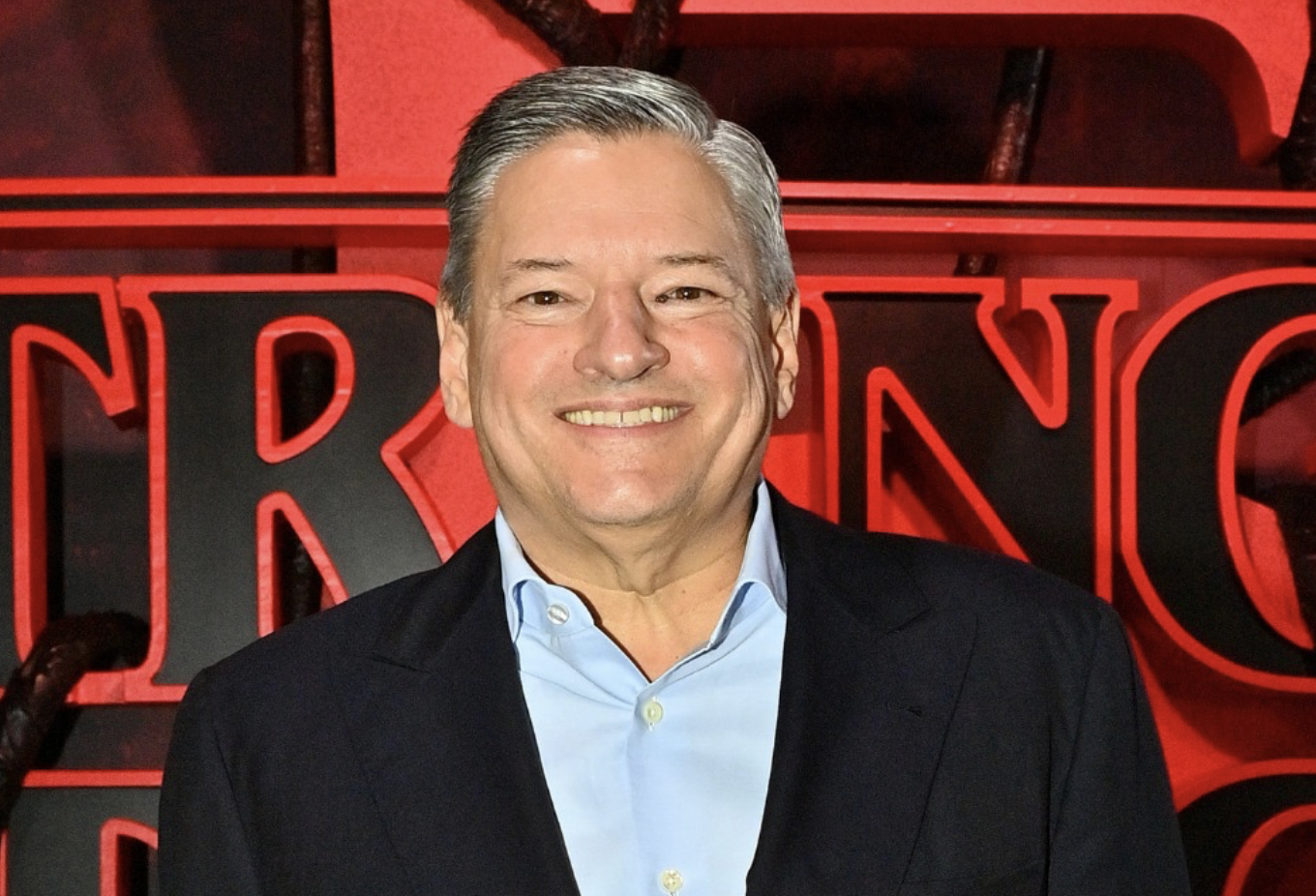
Ted Sarandos.
High-Stakes Consequences Across Media and Finance
The ripple effects of Sarandos’ approach extend to numerous entities. Netflix’s board scrutinizes strategic decisions with historical precedent, comparing them against Disney, Warner Bros., and Paramount’s corporate governance. Investors including Vanguard and BlackRock consider narrative-driven leadership as a factor in market capitalization risk. Central banks monitor liquidity indirectly through sector exposure, while competition authorities observe potential consolidation impacts. NYSE and Nasdaq tickers reflect investor interpretation of Netflix’s strategic resilience. Regulators weigh decision-making transparency as part of content acquisition compliance. Insurers evaluate Sarandos’ methodology against leadership continuity standards, affecting policy terms.
Media partners like Sony Pictures and Universal Studios gauge Netflix’s adaptive risk appetite in joint ventures. Hedge funds track strategic acquisitions, particularly the Warner Bros. negotiations, using Sarandos’ leadership framework as a qualitative modifier in predictive models. Corporate boards across the S&P 500 benchmark adaptive judgment for executive recruitment, influencing market-wide CEO evaluation norms. Cross-border exchanges assess how nontraditional leadership informs valuation volatility, while governance councils incorporate these insights into operational risk frameworks.
Strategic Cognitive Modeling as a Market Signal
The emphasis on narrative cognition under pressure signals to investors, analysts, and competitors a leadership culture prioritizing adaptive decision-making. Sarandos’ literary lens affects R&D investment allocations, talent development strategies, and international licensing decisions. It also provides a subtle differentiator in negotiations with content providers and regulators, impacting the cost of capital and merger integration timelines. The approach resonates with leading-edge corporate governance practices at Netflix, Microsoft, and Amazon, highlighting a broader industry trend toward cognitive diversity in executive decision-making.
Authority Close
C-suite executives and boards can interpret Sarandos’ literary-based methodology as a directive to integrate adaptive judgment into risk assessment and operational planning. Investor briefings increasingly focus on qualitative decision-making indicators alongside traditional financial metrics. Talent pipelines are influenced, emphasizing leaders capable of contextual reasoning over rote strategic execution. This positions Netflix as a sectoral benchmark for evaluating leadership effectiveness beyond conventional textbooks.