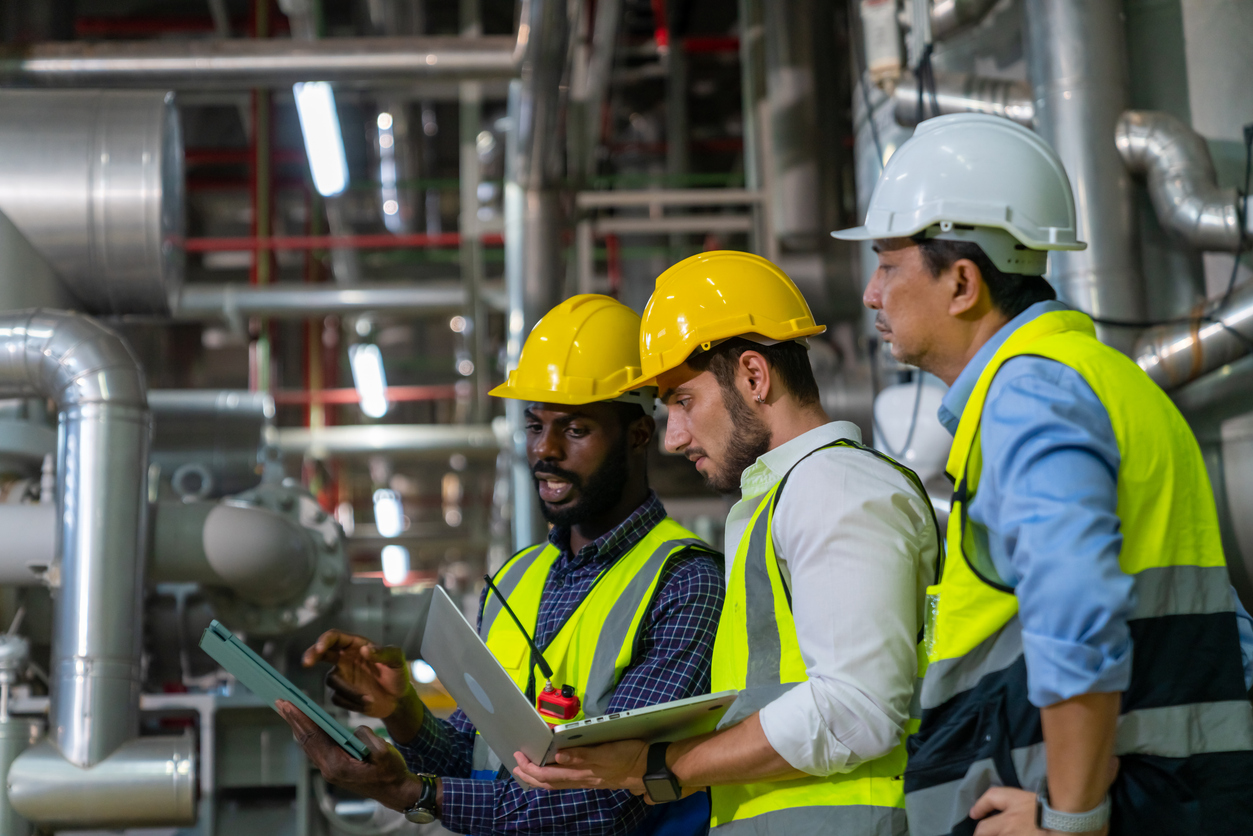
Facilities management is shifting toward methods that reduce risk in a more systematic and proactive way. Organisations now look for approaches that improve visibility of hazards, support staff in real time and cut avoidable disruptions.
This article looks at some emerging approaches that are helping improve health and safety in facilities management.
The Shift Towards Data-Led Safety Management
FM teams use data to understand what is happening across buildings and assets. This approach gives clearer early warnings and makes it easier to focus resources on the issues that matter most.
Sensor Monitoring in Buildings
Sensors collect steady streams of information on air quality, noise levels, temperature changes and equipment condition. This data helps FM teams identify unsafe patterns before they turn into incidents.
Predictive Analytics for Risk Control
Predictive tools study incident trends, asset performance and maintenance history. These insights help teams anticipate when equipment is likely to fail and plan interventions at the right time.
Digital Controls That Keep Work Within Safe Systems
Digital systems now support planning, supervision and reporting. These tools give frontline staff clearer instructions and give managers constant oversight of work in progress.
Mobile Work Permits and Checklists
Mobile workflows allow teams to check permits, complete forms and follow task steps without returning to a desk. This keeps work aligned with safety procedures at each stage.
Digital Twins for Plant and Building Insight
Digital twins give FM teams a virtual version of sites and assets. These models help plan work, test scenarios and understand risk in a controlled environment.
Smarter Training and Worker Support
Training methods in FM now focus on practical learning that is easy to access and repeat. Modern tools also help staff refresh skills and reduce task errors.
Microlearning for Frontline Teams
Short training units help workers refresh key steps before tasks. This is also a practical way to support staff through online health and safety training for employees, which provides focused guidance on essential safety practices.
VR and Simulated Practice
VR scenarios allow workers to practise high-risk tasks in controlled conditions. This builds confidence and helps reinforce correct actions without exposing staff to danger.
Human-Centred Safety Design
Human-centred design looks at how people move, react and make decisions. FM teams use these insights to shape workplaces that reduce human error and cut common hazards.
Ergonomic Layouts and Controls
Clear layouts, easy-to-reach controls and logical pathways make tasks safer and faster. These design choices reduce slips, trips and handling risks.
Behaviour-Aware Workflows
Workflows built around human limits help remove situations that lead to rushed shortcuts or decision errors. This supports steady and predictable task performance.
Building Safety Culture Through Leadership
Leadership sets the tone for how safety sits within everyday FM work. Managers shape expectations, support steady communication and keep attention fixed on real risks rather than paperwork alone.
Daily Safety Huddles
Short briefings help teams share updates on live hazards and planned tasks. These huddles create a steady flow of information so issues are spotted early.
Reporting Without Blame
A no-blame approach encourages staff to report close calls and unsafe conditions without fear. This creates a clearer picture of how work is carried out on the ground and where improvements are needed.
Integrating Sustainability and Safety
Sustainability work often links directly to health and safety. Energy systems, ventilation upgrades and material choices not only cut environmental impact but also reduce exposure to hazards.
Safer Building Systems
Upgraded heating, cooling and lighting systems improve comfort and reduce risks linked to poor air quality or equipment faults.
Sustainable Materials and Maintenance
Choosing durable materials and adopting maintenance schedules that protect both workers and the environment helps FM teams manage risks with fewer disruptions.
A Future Ready Approach
FM teams now use combined methods to cut incidents and strengthen day-to-day operations. The mix of digital tools, design-led safety, and he inclusion of online facilities management courses that fit around shift patterns can help reinforce core skills needed for safe work.
supports both frontline staff and senior managers as they deal with rising expectations and tighter legal duties.
Stronger Compliance
A structured approach helps organisations meet UK health and safety requirements with clearer evidence of safe systems of work.
Better Support for Workers
Workers benefit from clearer instructions, easier reporting routes and training that fits real tasks rather than generic lessons.
A Safer Tomorrow, Built Today
The FM sector is moving toward methods that identify hazards early and support safe behaviour at every stage of work. Data guides maintenance plans, digital tools give real-time oversight and training methods help staff apply safe steps during tasks. Leadership keeps safety visible and workplace design reduces the chance of mistakes. Sustainability improvements also support healthier environments with fewer equipment failures.
Taken together, these approaches give FM teams a stronger grip on risk. Buildings run with fewer interruptions and workers carry out tasks with greater confidence. Organisations that adopt these methods are better prepared for future demands and tighter UK standards. They gain workplaces that stay safer, operate more reliably and support staff to perform at their best.