
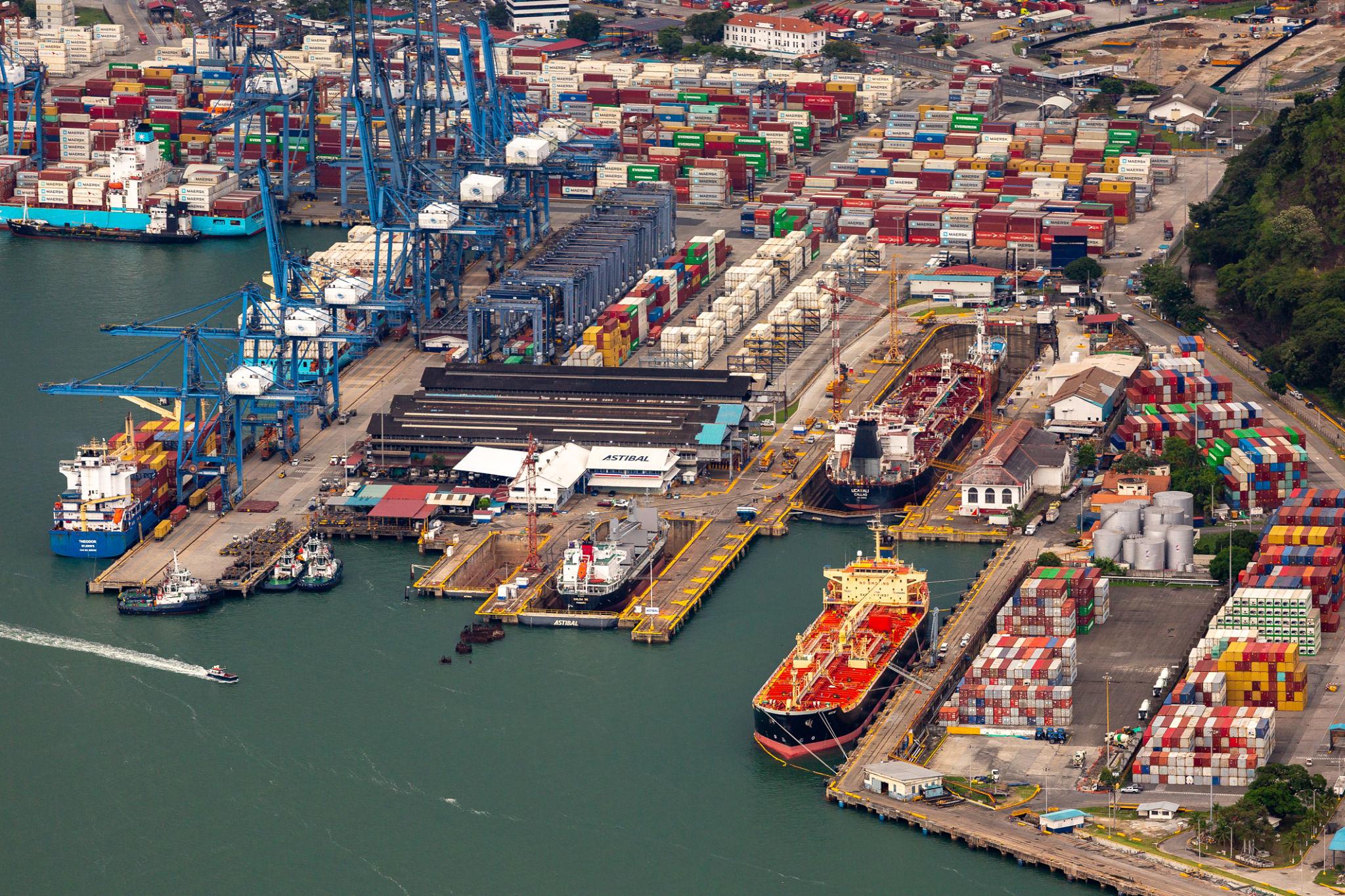
Trump’s Big Win: Panama Kicks China Out of the Canal
A sudden court ruling in Panama has rewritten the financial assumptions behind some of the world’s most strategic port assets, leaving investors, executives, and dealmakers reassessing how secure cross-border infrastructure contracts really are.
Panama’s Supreme Court has annulled long-standing agreements that allowed a Hong Kong-based company to operate container ports linked to the Panama Canal, immediately throwing years of capital planning into uncertainty. The decision did not follow a market downturn or a failed negotiation. It arrived through the courts, reversing what had been treated as settled commercial ground.
For global business leaders, the reversal is a reminder that when governments and geopolitics enter the equation, money can turn quickly — even decades after a deal is signed.
When Capital Assumptions Break
The ruling targets contracts held by a subsidiary of CK Hutchison, which has operated two of the canal’s five main container ports since the 1990s. Those assets were not just operating businesses; they were pillars supporting a much larger global transaction.
Before the court decision, CK Hutchison had agreed to sell port interests worldwide under a deal valued at roughly $22.8 billion, involving a consortium led by BlackRock and shipping group MSC. The Panama ruling now casts doubt over whether those assets can be transferred at all — and at what value.
In one move, contracts treated as bankable infrastructure plays became contested assets. The money did not drift. It reversed.
Status Instability for Global Dealmakers
The ports sit at the intersection of trade, geopolitics, and finance. Around 14,000 ships pass through the canal each year, carrying roughly 5% of global maritime trade volume. Assets tied to that flow are typically viewed as insulated from sudden disruption.
That perception has now cracked. The court found that laws underpinning the concessions were unconstitutional, a judgment the operating company disputes. But regardless of the legal arguments that follow, the immediate effect is financial uncertainty — the kind that freezes transactions, delays funding decisions, and forces renegotiation.
For executives, the status shift is immediate. Control over assets that once signalled stability is now conditional. Valuations that assumed continuity must be re-examined.
Money Meets Politics
The ruling lands against a backdrop of rising tension between the United States and China over global trade routes. US officials have repeatedly raised concerns about Chinese influence near the canal, while Panama’s government has rejected claims that Beijing controls the waterway.
Although CK Hutchison is not owned by the Chinese state, its Hong Kong base places it within China’s financial and legal orbit. That alone has been enough to turn a commercial arrangement into a geopolitical fault line — and to make capital more vulnerable to political pressure.
For investors, this is not about ideology. It is about risk. When infrastructure assets become symbols in larger power contests, contracts lose some of their protective force.
The Reversal Risk Spreads
The immediate question is what happens next. The operating company says the ruling lacks legal basis and warns that it threatens jobs and investment already made. Chinese officials have signalled they will take steps to protect the interests of affected companies. Buyers linked to the wider sale are reassessing exposure.
But the broader consequence extends beyond Panama. Executives watching from other sectors see a pattern forming: long-dated assets, cross-border deals, and politically sensitive infrastructure are increasingly exposed to sudden legal or sovereign intervention.
That changes behaviour. Financing becomes more cautious. Due diligence stretches further. Premiums rise to compensate for uncertainty that once seemed remote.
What Happens Next
Legal challenges are likely, and negotiations may yet salvage parts of the wider transaction. But the certainty that once underpinned the deal is gone. Even if new agreements emerge, they will be priced differently, structured differently, and viewed through a sharper political lens.
For global business leaders, the lesson is uncomfortable but clear. Capital can flow for years on the assumption that contracts hold. When that assumption breaks, money does not pause politely. It reorders power, status, and strategy in real time.
FAQs
Why does this ruling matter to global businesses?
The decision shows how quickly infrastructure contracts can be overturned by courts or governments, even decades after they were signed. For CEOs and investors, it highlights the growing risk premium attached to politically sensitive assets.
Does this affect trade through the Panama Canal itself?
The canal continues to operate normally. The disruption is financial rather than logistical — affecting who controls port assets, how they are valued, and whether planned deals can proceed.