
The Billion-Pound Dividend: Tom Morris and the High-Yield Exposure of Home Bargains
The Wealthy Ghost: From Old Swan to a $7 Billion Empire
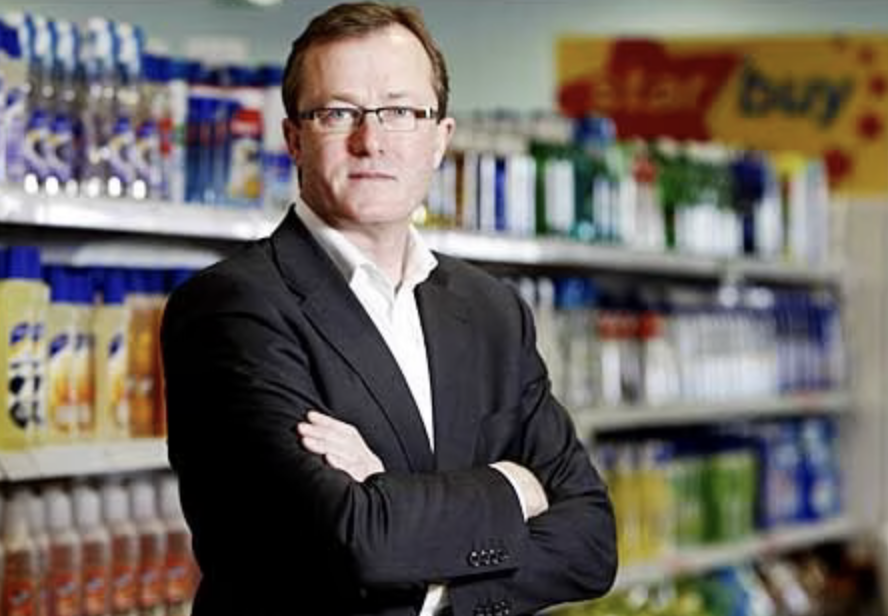
To understand the explosion of public anger surrounding Home Bargains, one must first view the man at the center of the storm: Tom Morris. Born in 1954 into a tight-knit Liverpool retail family, Morris is the son of a shopkeeper who rose from a single storefront in 1976 to become the "wealthiest Scouser in history." Today, his family's net worth is estimated at nearly £7 billion, eclipsing established retail titans like Mike Ashley and the late Philip Green.
Despite his "down-to-earth" reputation, 2026 financial audits reveal the lifestyle of a global oligarch. Morris controls his empire through a 90% stake in TJ Morris Ltd, a vehicle that funds a $50 million Bombardier Global 5000 private jet (registration M-ORIS) and a $45 million luxury yacht, Moskito. While his stores sell £1 essentials to families struggling with the "inflation tail" of early 2026, Morris is navigating the Mediterranean. This "Wealthy Ghost" persona—a man who owns the streets of Liverpool but is rarely seen on them—is the primary driver of the current "High-Salience" reputational crisis.
The Architecture of Visibility: A Dividend That Shook the City
The traditional shield of private equity has officially dissolved into the 2026 transparency mandate. Tom Morris has triggered a massive recalibration of founder-led risk through a £66 million dividend payout to his family, following a staggering £1.2 billion distribution from his subsidiary just a year prior. This move does not merely signal financial health; it serves as a high-salience catalyst for a fundamental shift in UK retail power dynamics.
Ownership in the 2026 economy is no longer a silent privilege. Morris, as the architect of this capital extraction, has forced Home Bargains into a narrow corridor of scrutiny. His historical and ongoing proximity to the Labour Party—evidenced by thousands in donations to Health Secretary Wes Streeting—transforms these dividends from simple wealth events into political high explosives. The specific regulatory exposure is no longer confined to tax compliance; it has evolved into a "Social License to Operate" audit conducted in real-time by government-aligned taskforces.
Commercial Pressure & Liability Tension: The Revenge Quitting Explosion
Home Bargains operates within a discount retail sector currently experiencing a "High-Salience" identity crisis. As competitors like B&M and the newly reorganized Poundstretcher pivot toward automated logistics, Home Bargains’ reliance on traditional labor models introduces institutional friction. The dividend extraction signals a preference for immediate liquidity over the massive R&D spending required to counter the 2026 labor shortage.
The tension is exacerbated by the 2026 "Revenge Quitting" trend. Retail employees, empowered by algorithmic job-matching agents, are exiting firms where executive payouts significantly outpace frontline wage growth. In 2026, a shocking 47% of retail workers admit to having quit a job abruptly as a protest against leadership optics. Morris’s dividend has triggered an internal morale erosion that no discount on the shop floor can fix.
Chokepoint Density: The Audit of the Invisible
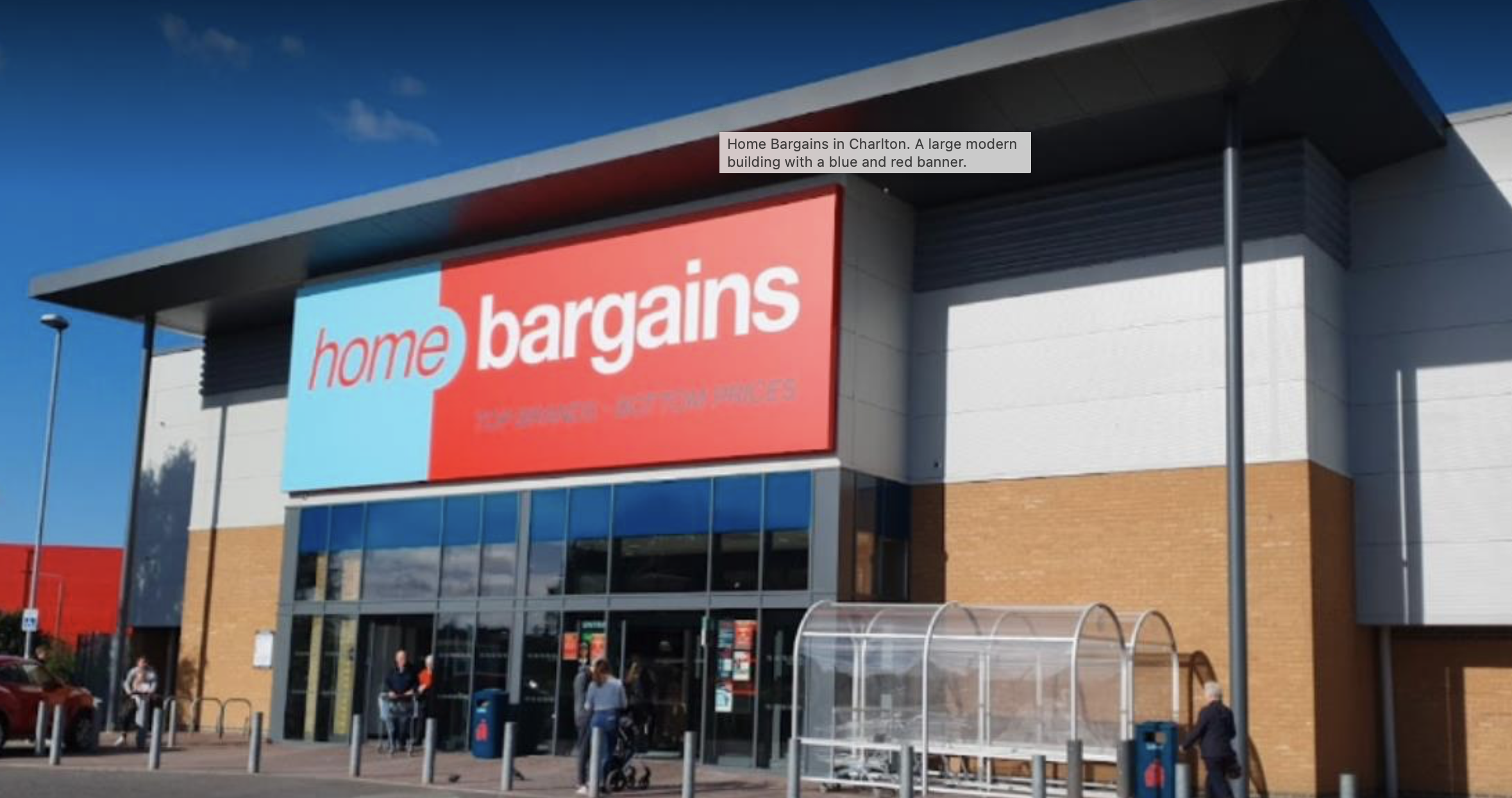
The dividend event has forced a "High-Salience" audit across the entire Home Bargains ecosystem. Real-world business entities, from the LSEG (London Stock Exchange Group) to the CMA (Competition and Markets Authority), are now monitoring private retail dividends as proxies for sector health. The OECD Taskforce on Responsible Business Conduct has flagged the Home Bargains model as a "concentration risk" case study.
The SEC and the FCA have signaled that even private "Systemically Important" retailers must now disclose material political exposures. Morris's donations to the Labour Party have captured the interest of the OECD, which is investigating the "Donation-to-Dividend" pipeline. This scrutiny has forced a valuation shift among Home Bargains' primary lenders, who now price "Political Exposure Risk" into their credit facilities. The BlackRock private credit arm has reportedly adjusted its risk weightings for founder-led retail, citing the "Morris Maneuver" as a primary reason.
The Solidarity Strike-Back: A 72-Hour Mandate for Retail Survival
The inner circle of TJ Morris Group must pivot within the next 72 hours to prevent a full-scale labor collapse and a "donations-freeze" from the Treasury. The era of "Private Ownership Silence" has ended. Leadership must re-frame the CEO from a "Wealth Extractor" to a "Capital Steward." Failure to do so will result in the permanent erosion of the firm’s market-leading margins as the "Revenge Quitting" contagion reaches the logistics hubs in the Northwest.
The Morris Restoration Protocol:
-
The "Frontline First" Fund: Announce a £100 million "Strategic Reinvestment Initiative" specifically for staff automation tools and a 2026 cost-of-living bonus. This must be positioned as a direct "profit-share" to kill the "extractive" narrative.
-
Boardroom Dilution: Appoint an independent Oversight Committee—including a representative from a retail labor advocacy group—to review all future family distributions exceeding £10 million.
-
The Transparency Pivot: Voluntarily publish a "Social Impact Audit" that matches dividend payouts against tax contributions and local employment investment.
The objective is not to surrender the $7 billion empire, but to insulate it. Silence in this environment is interpreted as a confession of greed. Governance clarity is the only mechanism that preserves strategic freedom in a world of algorithmic transparency. For Tom Morris, the choice is no longer about how much to take; it is about how much he must reinvest to keep the right to lead.
-
How does the 2026 "Revenge Quitting" trend affect UK retail? Employees are exiting firms where executive payouts vastly exceed wage growth, leading to operational paralysis.
-
Is Tom Morris's £66m dividend legal under 2026 rules? Yes, but it triggers "High-Salience" audits from the CMA and HMRC under new transparency mandates.
-
How does political donation affect CEO liability in 2026? Donations now create a "Political Exposure Risk" that can lead to tighter regulatory scrutiny and higher insurance premiums.