The 10,000-Point Pivot: How Policy Mandates and the “Anti-Tech” Rotation Crowned the FTSE 100
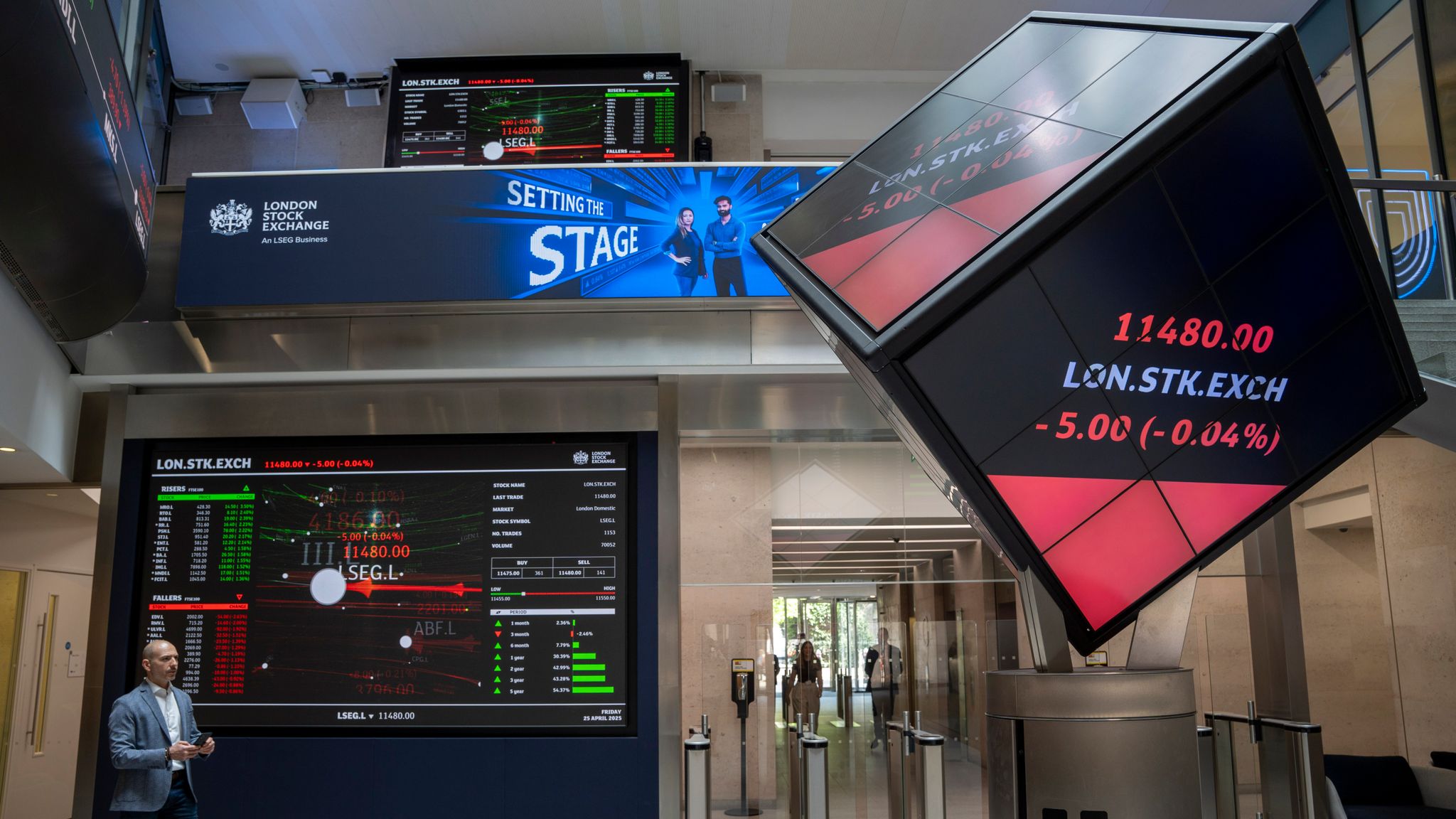
On the morning of January 2, 2026, the London Stock Exchange did more than just open for a new year; it shattered a four-decade-old glass ceiling.
Within thirty minutes of the opening bell, the FTSE 100 surged past the 10,000-point milestone, reaching an intraday high of 10,046. For the CEO, this isn't just a psychological victory for the City—it is the culmination of a massive, state-mandated redirection of capital from private savings accounts directly into the veins of the UK's blue-chip giants.
While the headlines credit "optimism," the actual mechanics are far more clinical. Public records confirm that the rally was engineered through a surgical strike on the UK’s cash-hoarding culture. In the Autumn Budget 2025, Chancellor Rachel Reeves confirmed the Cash ISA allowance would be slashed to £12,000 for those under 65, while maintaining the full £20,000 for Stocks and Shares.
This policy shift, combined with the FCA's "Targeted Support" rules going live in April 2026, has created a forced-entry mechanism for billions in retail capital.
Policy as the New Liquidity Lever: The ISA Squeeze
The UK has long leaned on “nudge theory,” but 2026 marks the era of structural disadvantage. Rather than simply encouraging investment, policy design now punishes cash-heavy balance sheets at the household level. By creating an £8,000 "incentive gap" between cash and equity allowances, the Treasury has effectively evicted capital from dormant deposits.
This is the "New Way" of market support: liquidity is no longer requested; it is mandated through fiscal architecture. The result is a fundamental shift in power from the building society to the equity desk. Banks have transitioned from passive deposit-takers to active allocators of retail liquidity, utilizing the "Targeted Support" framework to turn retail liabilities into index-supporting assets.
The Mechanics of the Capital Funnel
| Metric | 2024 “Old Way” | 2026 “New Way” | Strategic Impact |
|---|---|---|---|
| Cash ISA Limit | £20,000 | £12,000 (Under 65s) | Forced Market Entry |
| Guidance Barrier | Binary Advice/Guidance | Targeted Support | Bank-Led Conversion |
| Dividend Tax | 8.75% (Basic) | 10.75% (Basic) | Yield Protection via ISA |
| P/E Ratio | 10.3x | 14.3x | Valuation Normalization |
-
£8,000 Incentive Gap: The delta between old Cash limits and the new mandate.
-
18 Million Savers: The FCA’s target demographic for "Targeted Support" guidance.
-
15% Concentration: The combined weight of HSBC and Lloyds in the index, driving self-referential liquidity.
The “Anti-Tech” Rotation: The Valuation Arbitrage
Global funds that spent 2024 overweight on the “Magnificent Seven” are now confronting valuation gravity. With S&P 500 multiples exceeding 22x earnings, the margin for error has vanished. London’s appeal is no longer a growth story; it is a "durability arbitrage."
Investors are rotating into the "Infrastructure of Survival." 2025 performance data shows Fresnillo led the charge (+436%), followed by Rolls-Royce and Babcock, both of which doubled in value. Pricing power has shifted to sectors that control physical assets and defense contracts—assets that cannot be disrupted by code.
-
Aerospace & Defense: Capital flight into geopolitically resilient "hard assets" like BAE Systems.
-
Banking & Finance: Capturing yield normalization and NatWest's industry-leading hedging positions.
-
Basic Resources: Serving as the primary hedge against currency devaluation and copper supply deficits.
The Private Equity Parallel: Closing the Loop
The FTSE 100’s ascent mirrors a Private Equity (PE) exit strategy. In PE, internal asset transfers and procurement leverage determine price outcomes. The UK’s new capital architecture echoes this: the government restricts the exit (Cash ISAs) and the banks (the gatekeepers) guide the flow back into the index they dominate.
The macro lesson for the C-suite is that the flow of capital matters more than the fairness of the entry point. As the "UK discount" narrows, yield is being treated as the new growth. At 10,000 points, the FTSE 100 still offers a 4.1% dividend yield, nearly triple its US counterparts, making this a play on sustainable capital return rather than speculative fever.
FAQs: People Also Ask
How did the FTSE 100 reach 10,000 points? The milestone was reached through a combination of a weaker pound boosting export-heavy stocks, a global rotation from tech to "Old Economy" value sectors (mining/energy), and UK government policy that restricted tax-free cash savings.
Why is the FTSE 100 outperforming the S&P 500 in 2026? The FTSE 100 is heavy in "hard assets" like defense and commodities, which have outperformed the volatile, overvalued tech stocks that dominate the US indices.
What is the new Cash ISA limit for 2026? Following the 2025 Autumn Budget, the tax-free Cash ISA allowance was cut to £12,000 for most savers to encourage investment in the UK stock market.
Which companies are driving the FTSE 100 rally? Aerospace giant Rolls-Royce and mining firm Fresnillo have been the top performers, alongside major lenders like HSBC and Barclays.
Is the FTSE 100 still a good investment at 10,000? Analysts point to the index's high dividend yield (avg. 4.1%) and relatively low price-to-earnings ratio as signs that the market is not yet overextended.
How does a weaker pound affect the FTSE 100? Since roughly 75% of FTSE 100 revenues are earned abroad, a weaker pound makes those international earnings more valuable when converted back to sterling, pushing share prices higher.
What is "Targeted Support" in UK banking? It is a new regulatory framework that allows banks to give limited financial advice to customers, specifically nudging them from cash savings into stock market investments.
What is the 2026 outlook for UK stocks? With the 10,000 barrier broken, many strategists expect a "melt-up" as international funds re-weight their portfolios toward the UK to capture high dividend yields.
Latest: ✋✋ Private Equity Firms Sell Assets to Themselves: How Pricing Power, Approval Friction and Procurement Leverage Are Being Reset ✋✋