

Delta Airlines’ K-Shaped Recovery: Premium Flyers Drive Profits, Main Cabin Lags
Premium Segment Dominance Redefines Airline Market Power
Delta Airlines’ revenue narrative in early 2026 signals a profound shift in U.S. aviation. Premium travelers are generating record profits, while the Main Cabin segment stagnates, reflecting a widening K-shaped recovery. CEO Ed Bastian is architecting this strategy, capitalizing on affluent passengers and loyalty programs, yet absorbing scrutiny from investors, regulators, and the public who question market concentration and equity.
Financial guidance shows that high-margin cabins are responsible for nearly 80% of expected operating profits, a stark contrast to the flat demand in budget segments. Boards and executives now face dual exposure: operational execution must maintain excellence for top-tier travelers, while strategic missteps in the Main Cabin could erode public trust, invite regulatory review, or leave competitors to capture underserved market segments. Delta’s ability to navigate these pressures will define both short-term margins and long-term brand reputation.
Macro factors amplify the stakes. Interest rate fluctuations, rising fuel costs, and lingering geopolitical uncertainties influence route profitability, hedging strategies, and investor sentiment. Algorithmic trading magnifies market reactions, meaning that even small deviations from guidance can trigger outsized financial consequences. In this environment, the CEO’s role as the architect of premium-focused growth is critical, yet boards must remain vigilant, balancing opportunity with exposure and ensuring that strategy is both resilient and defensible.
Strategic and Investor Pressures from Uneven Growth
Corporate boards continue to wrestle with outdated assumptions about airline growth. Historical models assumed broad-based expansion, supported by stable middle-class demand. Today, the reality is starkly different: premium travelers are thriving, but Main Cabin engagement is flat, leaving low-cost carriers exposed to structural weakness. This misalignment creates strategic isolation for leadership. Executives must navigate investor expectations that are increasingly intolerant of uneven growth, while regulators scrutinize pricing, loyalty program incentives, and potential market concentration.
Delta’s guidance illustrates this tension clearly. Adjusted EPS guidance of $6.50–$7.50 relies heavily on premium segment expansion. Boards must ensure that capital allocation, operational capacity, and marketing strategies align with this reality. Misdirected resources could amplify Main Cabin underperformance, erode investor confidence, and trigger activist scrutiny. The executive team is forced to act with precision, integrating real-time data on passenger behavior, competitor moves, and market volatility into every decision.
Additionally, labor and operational constraints introduce second-order risk. Pilot shortages, union negotiations, and crew scheduling bottlenecks could limit route flexibility, impacting capacity and service quality. Leadership must anticipate these variables while maintaining brand standards. In this landscape, strategy execution is inseparable from operational discipline; success is defined by the ability to act decisively under constraint.
Macro-Economic and Regulatory Factors Affecting Delta Airlines
Delta’s concentrated revenue growth does not exist in a vacuum. Rising interest rates impact debt servicing, route expansion, and fleet financing. Fuel price volatility amplifies operational costs, while trade policies and tariffs influence international travel demand. Investors are monitoring Delta’s financial metrics closely, with stock price movements responding to both quarterly results and forward guidance. Shares rose 3% following the latest earnings report, reflecting confidence in premium segment resilience, yet analysts warn that Main Cabin underperformance could cap long-term growth.
Regulatory exposure is also material. U.S. and international authorities, including the FAA and DOT, are evaluating pricing and capacity strategies to ensure consumer fairness. Potential antitrust scrutiny could arise if Delta pursues acquisitions of low-cost carriers to consolidate market share. Boards must weigh these legal and reputational risks when considering M&A options, ensuring any strategic expansion complies with antitrust law and preserves stakeholder trust.
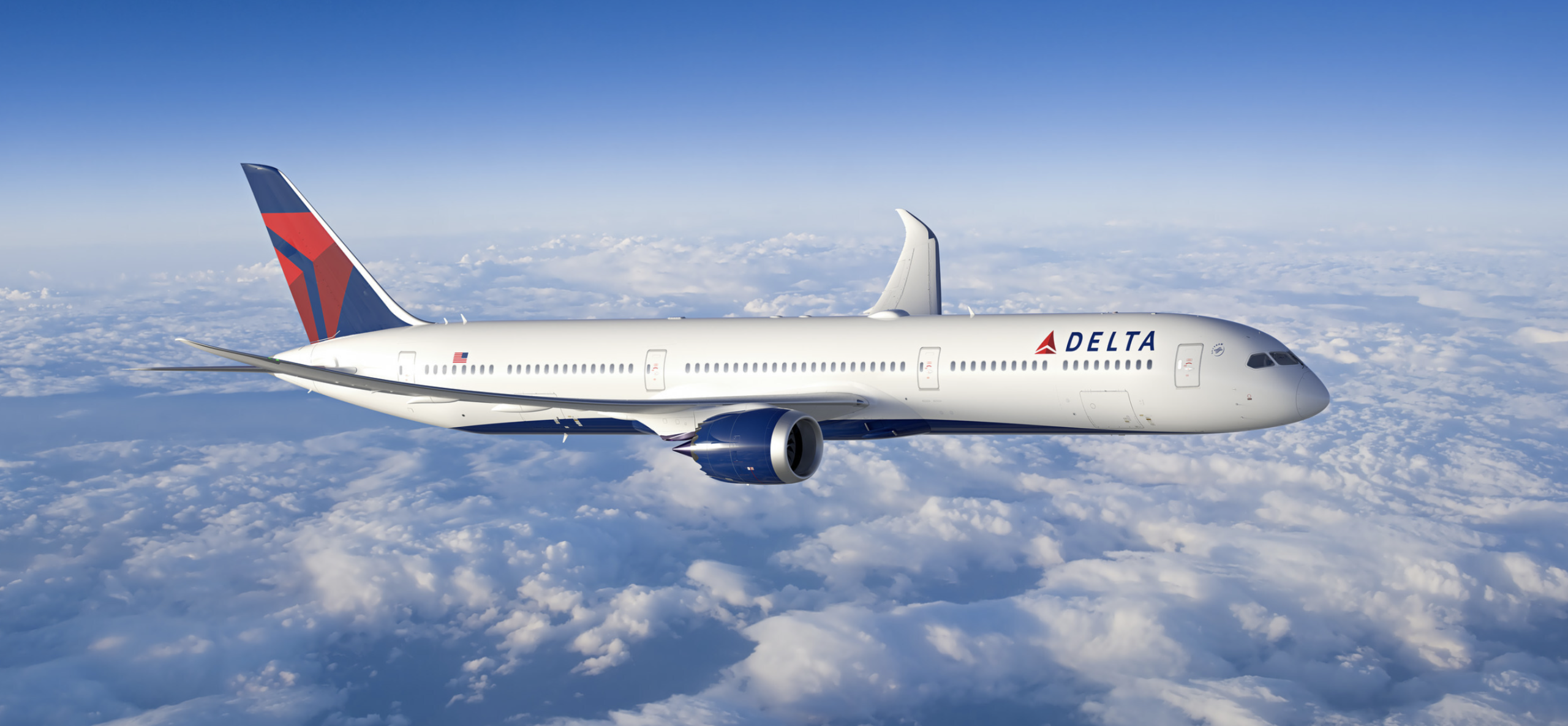
Delta Airlines
Market Interconnectedness and Strategic Chokepoints in Aviation
Delta’s K-shaped growth intersects with multiple market entities, creating complex second-order exposure. Institutional investors such as BlackRock and Vanguard adjust portfolio allocations based on projected yield, capacity, and revenue segmentation. Exchanges including LSEG and CME respond to derivative positions tied to fuel, interest rates, and route profitability. Competitors—Southwest, Spirit, Allegiant—adjust pricing and capacity in response, while loyalty program partnerships with American Express influence consumer behavior and revenue streams.
International institutions such as the IMF and OECD monitor systemic exposure in aviation and related sectors. Corporate travel decisions ripple outward, affecting hotels, ground transportation, and ancillary service providers. Each strategic decision—from route allocation to premium product innovation—creates measurable impacts on market valuation, investor perception, and competitive positioning. Boards must ensure that leadership decisions account for this network of interdependencies, linking corporate action to market consequences in real time.
Delta Airlines Risk Scenarios: From Premium Strength to Main Cabin Vulnerability
Boards and executives must evaluate three scenarios for Delta’s revenue strategy. In the best case, premium growth continues, operational execution remains flawless, and Main Cabin stagnation is offset by high-margin segments. Investors remain confident, allowing Delta to pursue selective M&A opportunities and reinforce market dominance.
The probable scenario anticipates continued K-shaped performance, modest margin pressure from underperforming Main Cabin cabins, and moderate competitive response. Revenue growth is positive but uneven, prompting careful monitoring of debt, hedging positions, and investor messaging.
The worst-case scenario arises if Main Cabin stagnation worsens, investor confidence falters, or regulatory scrutiny intensifies. Potential consequences include accelerated competitor consolidation, activist interventions, and valuation pressures. Labor disruptions or operational bottlenecks could exacerbate risk, illustrating how finely tuned leadership execution must be to avoid cascading market consequences.
Boardroom Directives and Strategic Imperatives for 2026
In the next 72 hours, boards must reaffirm strategic priorities, ensuring operational, financial, and M&A plans align with premium segment growth and Main Cabin risk. Leadership should assess potential acquisition targets among low-cost carriers, modeling the impact on both revenue concentration and regulatory exposure. Investor communication must emphasize strategy, risk management, and execution capability to maintain market confidence.
Labor planning is critical: crews, pilots, and scheduling flexibility must be aligned with route capacity and revenue objectives. Fuel and FX hedging strategies require review to minimize second-order exposure. Executives are shaping Delta’s path forward, but boards are accountable for ensuring that growth is sustainable, compliant, and resilient. Failure to integrate these elements could threaten margins, brand reputation, and long-term market influence.