
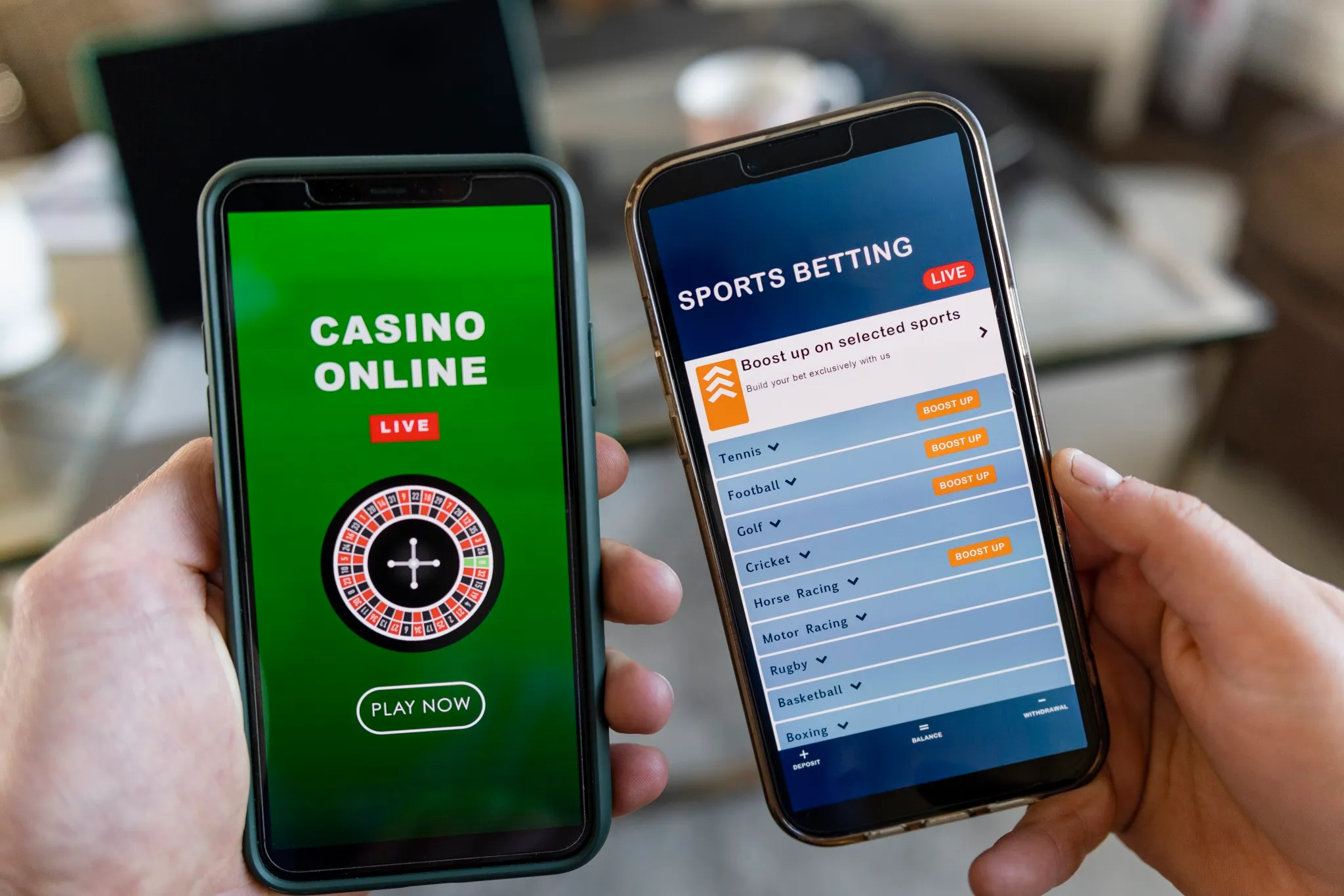
Every year, gambling activity rises sharply in the run-up to Christmas and continues through the holiday period. Online betting platforms report higher engagement, casinos see increased footfall, and lottery participation spikes. While this seasonal surge may appear harmless or even traditional, it is driven by predictable financial and psychological forces.
At its core, Christmas changes how people think about money, risk, and reward — often in ways that make gambling feel more attractive than it does during the rest of the year.
Seasonal emotion changes financial behaviour
Christmas is one of the most emotionally charged periods of the year. Anticipation, nostalgia, stress, and social pressure coexist, creating heightened emotional states. Financial decision-making is strongly influenced by emotion, and when emotions are elevated, people are more likely to take risks.
Gambling appeals in this environment because it offers:
-
Immediate stimulation
-
The possibility of a quick financial win
-
Temporary escape from stress or obligation
In financial terms, this is a classic example of emotion overriding rational risk assessment.
More free time, fewer spending guardrails
The holiday season disrupts normal routines. Offices close, schedules loosen, and evenings become longer and less structured. With fewer work-day constraints, people spend more time online — particularly on mobile devices.
This benefits gambling platforms, which are:
-
Always accessible
-
Easy to engage with privately
-
Designed to keep users active
The friction that normally limits gambling behaviour — time pressure, fatigue, routine — is significantly reduced at Christmas.
Bonuses, gifts, and the “extra money” mindset
Many people receive additional funds around Christmas, including:
-
Annual bonuses
-
Commission payments
-
Gift money
-
Seasonal income
Behavioural economists refer to this as mental accounting. People treat unexpected or non-salary income as less valuable than regular earnings, making them more willing to spend — or gamble — with it.
This creates a psychological permission structure: losses feel less painful because the money wasn’t “counted” in the first place.
Christmas marketing amplifies risk-taking
Gambling operators significantly increase marketing spend during the festive period. Promotions are often framed around:
-
“Christmas specials”
-
Free bets
-
Limited-time bonuses
-
Seasonal jackpots
These offers align gambling with celebration and generosity, subtly reframing betting as festive entertainment rather than financial risk. From a consumer finance perspective, this is a period of heightened exposure to persuasive marketing at a time when spending discipline is already weakened.
Alcohol, celebration, and impaired judgement
Alcohol consumption typically increases during Christmas. Alcohol lowers inhibitions, reduces impulse control, and impairs judgment — all of which increase gambling risk.
When alcohol and gambling overlap, people are more likely to:
-
Bet more frequently
-
Increase stake sizes
-
Ignore loss limits
This combination is a significant driver of excessive holiday gambling.
The appeal of a year-end financial reset
For some individuals, gambling at Christmas carries symbolic weight. The idea of ending the year with a win — or starting the next year in a better financial position — can feel compelling.
This “reset fantasy” can push people to take risks they would normally avoid, especially if they are already experiencing financial pressure from rising living costs or holiday spending.
Financial stress disguised as celebration
Despite its festive image, Christmas is one of the most financially stressful times of the year. Gift expectations, travel costs, and social obligations place pressure on household budgets.
For some, gambling becomes:
-
A form of escapism
-
A way to temporarily disengage from financial stress
-
A perceived opportunity to solve short-term money problems
This is where seasonal gambling shifts from entertainment into risk.
Why this matters for consumers and regulators
The Christmas gambling surge highlights how timing and emotion influence financial behaviour. It raises important questions about:
-
Consumer protection during high-risk periods
-
Responsible marketing practices
-
Financial literacy around risk and probability
For individuals, awareness is critical. Recognising that Christmas changes how risk feels — without changing the odds — is key to maintaining control.
Frequently Asked Questions
Why does gambling increase at Christmas?
Because emotions run high, routines break down, and people feel more comfortable taking risks with bonus or gift money.
Do gambling companies make more money at Christmas?
Yes. Increased engagement, longer sessions, and seasonal promotions typically lead to higher revenues during the holiday period.
Is Christmas gambling more dangerous?
It can be. Alcohol, stress, and increased marketing exposure raise the risk of overspending or loss-chasing.
Is gambling addiction worse during the holidays?
Support organisations often report increased demand after the holiday period, suggesting some people experience harm during Christmas.
How can people gamble more responsibly at Christmas?
Setting spending limits in advance, avoiding gambling while drinking, and treating betting as entertainment — not income — all help reduce risk.
A financial reality check
Christmas does not change the mathematics of gambling. Odds remain constant, and long-term outcomes remain negative for most participants. What changes is perception — how risk feels, how money is valued, and how decisions are framed.
Understanding why gambling feels more tempting at Christmas is not about moral judgement. It is about recognising how environment and emotion shape financial behaviour — and making more informed choices as a result.
👉👉 Latest: Why the World’s Wealthiest Are Quietly Choosing the UAE Over Europe