
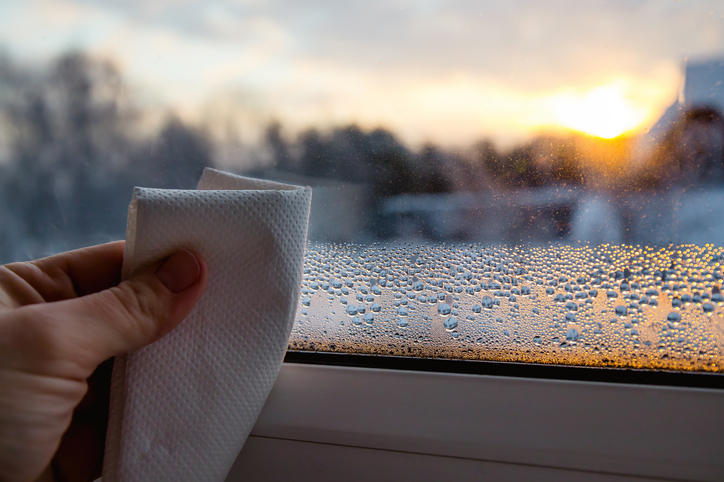
How to Stop Condensation on Windows in Winter
Condensation on windows might seem harmless, but it’s often the first sign of excess moisture in your home. Left untreated, it can lead to mold, peeling paint, damaged frames, and lingering damp smells.
Why Condensation Forms in Winter
Condensation happens when warm, moisture-filled indoor air meets cold window glass, turning vapor into water droplets. The bigger the temperature difference and the higher the humidity, the worse the condensation.
Everyday activities add moisture to the air, including:
-
Cooking
-
Showering
-
Drying clothes indoors
-
Even breathing
Ventilation Is Essential (Even When It’s Cold)
Trapping warm air traps moisture too. Ventilation allows damp air to escape.
-
Open windows briefly each day
-
Use extractor fans when cooking or showering
-
Avoid drying clothes indoors when possible
Short bursts of fresh air won’t significantly cool your home, but they will reduce humidity.
Control Indoor Humidity Levels
If your windows constantly drip, your indoor air is too humid.
-
Use a dehumidifier in problem rooms
-
Keep lids on pots while cooking
-
Close bathroom doors after showers
Aim for indoor humidity between 40–60%.
Insulate Windows to Keep Glass Warmer
Cold glass attracts condensation. Improving insulation helps prevent it.
-
Use thermal curtains or blinds
-
Apply temporary window insulation film
-
Seal gaps and replace worn weatherstripping
Double glazing significantly reduces condensation compared to single-pane windows.
Wipe Condensation — But Fix the Cause
Wiping moisture away protects frames and sills, but it doesn’t solve the problem. Long-term fixes come from reducing moisture and improving airflow and insulation.
Bottom line: Condensation isn’t a cleaning issue — it’s a moisture and temperature issue, and both are fixable.