How Stranger Things Turned Vecna Into a Nightmare: The Makeup and Effects Behind TV’s Most Terrifying Villain
When Vecna first appeared in Stranger Things, he didn’t just scare audiences. He stopped them in their tracks. Unlike the Demogorgon or the Mind Flayer, Vecna felt disturbingly human. He spoke. He moved slowly and deliberately. He stared. And that was exactly the point.
Behind one of television’s most unforgettable villains is a masterclass in makeup, practical effects, and clever visual tricks that prove horror still works best when it feels real.
Why Vecna Feels Different From Other Monsters
Vecna is not just a monster hiding in the shadows. He is a presence. The creators of Stranger Things wanted a villain who felt personal and intimate rather than chaotic. That meant Vecna needed facial expressions, eye contact, and the ability to emote in ways that purely digital characters often struggle to achieve.
From the start, the creative team committed to making Vecna as practical as possible. The goal was simple but ambitious. Put a real actor in real makeup and let the horror unfold naturally.
The Transformation From Actor to Monster
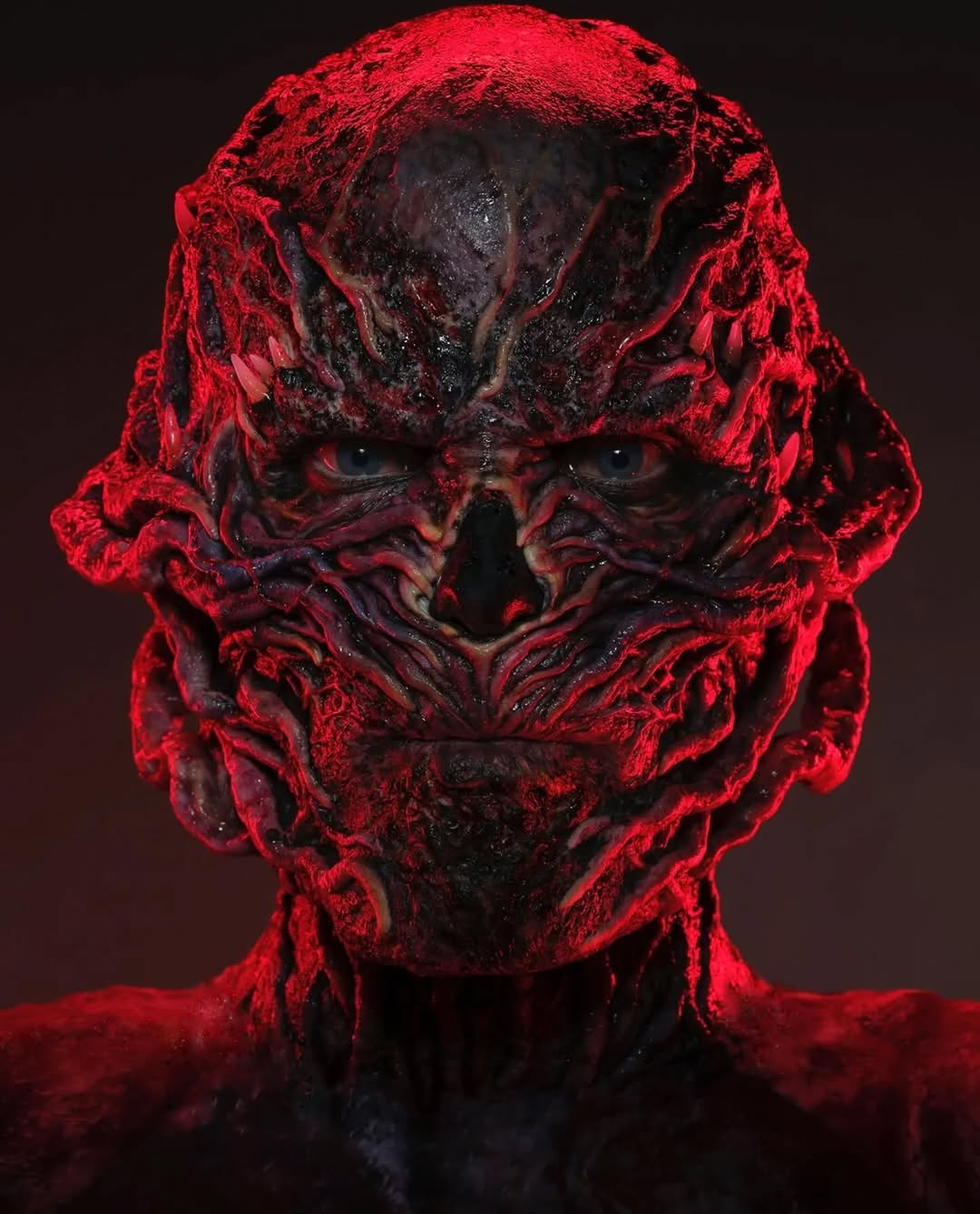
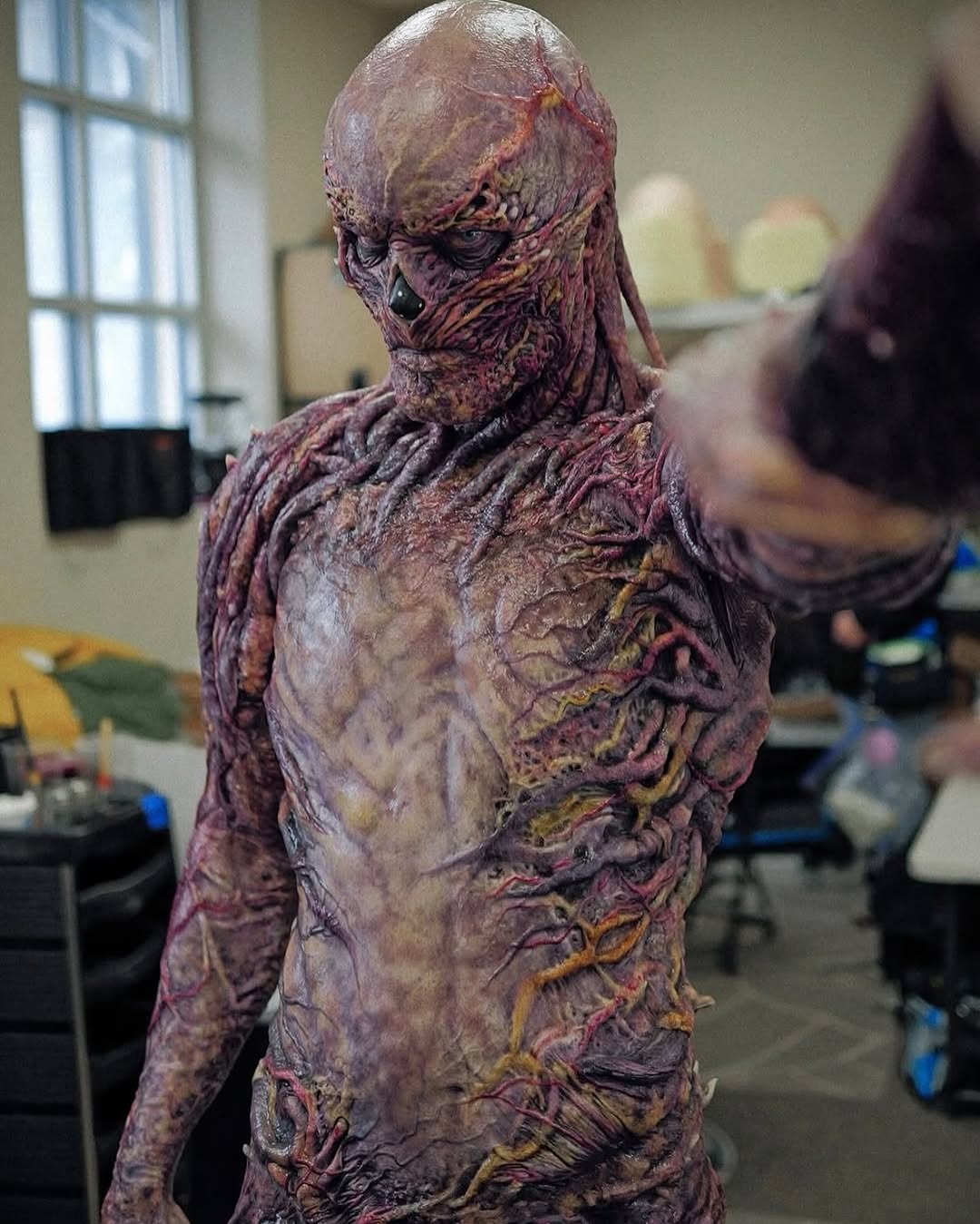
Actor Jamie Campbell Bower did not just step into a costume. He endured hours of daily transformation. The Vecna look was built from dozens of individually sculpted prosthetic pieces applied directly to his face and body.
Each piece was carefully blended into the next to create the illusion of decaying, damaged skin. The textures were inspired by nature, burnt surfaces, and organic decay. The result was a creature that looked as if it had grown rather than been designed.
The full transformation took several hours each day and required intense focus from both Bower and the makeup team. Once applied, the prosthetics limited movement and required controlled pacing, which only added to Vecna’s eerie, deliberate presence on screen.
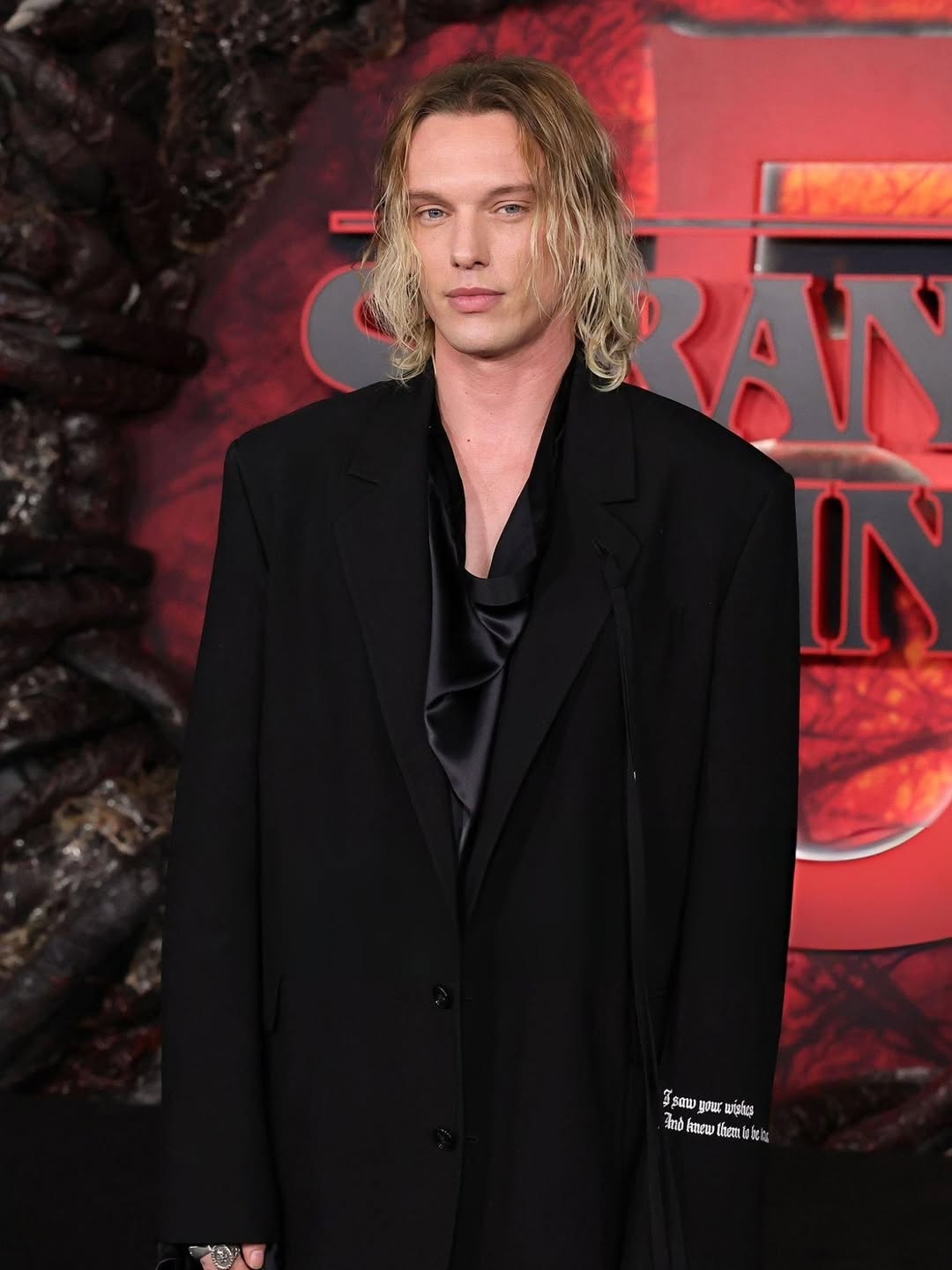
Jamie Campbell Bower
Texture Is the Real Villain
One of Vecna’s most unsettling features is his skin. It glistens. It looks wet. It feels alive even when he stands still. This was achieved through layers of paint, gels, and finishing touches that gave his body a slick, almost breathing quality.
The shine was not accidental. The production team wanted Vecna to look like he belonged to the Upside Down, a world that feels damp, decayed, and hostile. Every surface of his body tells that story.
When Practical Effects Meet Visual Magic
Although Vecna is mostly practical, visual effects still play an important role. Digital enhancements were used to extend his body, deepen wounds, and animate the tendril like details that connect him to the Upside Down.
For later seasons, the approach evolved. Rather than fully covering the actor in prosthetics, key areas like the head and shoulders remained practical while the rest of the body could be enhanced digitally. This allowed for greater flexibility while keeping Vecna grounded in reality.
The result is a perfect balance. You believe he is there because he mostly is.
The Actor Behind the Horror
None of this would work without Jamie Campbell Bower’s performance. Even buried under layers of makeup, his expressions and body language shine through. His slow movements, measured breathing, and unwavering stare turn Vecna from a creature into a character.
Bower has spoken about how physically and mentally demanding the role was. The weight of the costume and the intensity of the character required full commitment, and that dedication shows in every scene.
Why Fans Are Still Obsessed
Vecna stands out because he represents a return to old school horror techniques combined with modern technology. In an era where monsters are often fully digital, Stranger Things reminded viewers how powerful practical effects can be.
Fans appreciate knowing that much of what they are seeing actually existed on set. It makes the fear feel earned and the craftsmanship impressive.
Vecna is not just scary because of what he does. He is scary because he feels possible.
A Villain That Will Live On
As Stranger Things moves toward its final chapters, Vecna remains one of its most iconic creations. His look, his voice, and his presence have secured him a place in television horror history.
Behind the screams and nightmares lies a team of artists, designers, and performers who turned imagination into something unforgettable.