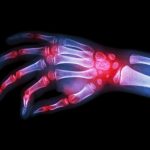


Endocrinology deals with the endocrine system—a network of glands producing hormones that regulate virtually every bodily function, including metabolism, growth, stress response, sexual development, bone health, and reproduction. These hormones are released into the bloodstream, traveling to organs and tissues to orchestrate complex processes from childhood development to blood sugar control.
The main endocrine glands are:
- Pituitary gland (“master” regulator)
- Thyroid and parathyroids (metabolism and calcium balance)
- Adrenal glands (stress and salt regulation)
- Pancreas (insulin and blood sugar)
- Gonads (ovaries and testes, controlling reproduction)
Endocrinologists are medical doctors who specialize in evaluating hormone imbalances, diagnosing disease, and providing tailored therapies, often working with multidisciplinary teams.
Hormones and Their Functions
Hormones are chemical messengers—tiny signals triggering significant changes even when present in minuscule amounts. The endocrine system keeps these signals balanced to maintain health. If too much or too little of a hormone is produced, critical functions can break down, leading to illness or symptoms like fatigue, mood changes, abnormal growth, or infertility.
Common Conditions Managed in Endocrinology
- Diabetes Mellitus: Problems with insulin production or action—a global epidemic with serious effects on heart, nerves, kidneys, and eyes. Type 1 is autoimmune, Type 2 is linked to obesity, and gestational diabetes affects pregnancy.
- Thyroid Disorders: Overactive (hyperthyroidism), underactive (hypothyroidism), nodules, goiter, and thyroid cancer.
- Osteoporosis and Calcium Disorders: Weak bones, increased fracture risk, and imbalances in calcium and vitamin D.
- Adrenal Diseases: Problems with cortisol, aldosterone, or adrenaline, resulting in Addison’s disease or Cushing’s syndrome.
- Pituitary Disorders: Growth hormone excess (acromegaly), deficiency, or tumors affecting many organs.
- Polycystic Ovary Syndrome (PCOS): Hormone imbalance affecting reproductive health in women.
- Obesity and Metabolic Syndrome: Endocrinology addresses hormonal obesity, abnormal cholesterol, and metabolism.
- Sexual Development and Infertility: Disorders of puberty, menstruation, low testosterone, and fertility.
- Endocrine Tumors and Cancers: Benign or malignant growths affecting hormone-secreting glands.
Diagnostic and Treatment Approaches
Endocrinologists use a blend of advanced diagnostics:
- Blood, urine, and ultrasensitive hormone assays
- Ultrasound, CT, MRI, and nuclear scans of glands
- Genetic and antibody tests
- Dynamic hormone stimulation/suppression tests
Therapeutic options include:
- Hormone replacement for deficiencies (thyroid, insulin, cortisol, sex hormones)
- Medications to block or enhance hormone effects
- Minimally invasive and surgical treatments for tumors
- Nutrition and lifestyle plans for metabolic diseases
- Fertility treatments and specialized reproductive endocrinology
Breakthroughs and Innovations
Research drives improvements in diabetes technology (continuous glucose monitors, insulin pumps), personalized thyroid and adrenal treatments, osteoporosis therapies, and genetic counseling. Preventive care, telemedicine, and patient education are transforming long-term management and quality of life.
Liv Hospital’s Endocrinology Services
Liv Hospital stands at the forefront of endocrinology, offering:
- Multidisciplinary teams for complex endocrine disorders
- State-of-the-art diagnostic laboratory and imaging
- Comprehensive diabetes center, thyroid clinic, and pediatric endocrinology programs
- Hormone therapy and metabolic health programs
- Personalized care for bone, reproductive, and pituitary disorders
Patients can access expert consultations, advanced treatment options, and compassionate support at Liv Hospital. For more information, visit the Liv Hospital homepage or the Endocrinology Clinic.

Foundations and Scope of Gastroenterology
Gastroenterologists receive rigorous and specialized training to manage gastrointestinal tract diseases—ranging from functional disorders like irritable bowel syndrome (IBS) to inflammatory, infectious, and neoplastic diseases. Their role includes conducting thorough patient evaluations, interpreting diagnostic imaging, performing endoscopic procedures, and recommending evidence-based therapies.
Common Disorders Managed in Gastroenterology
Digestive system health is crucial for overall well-being, as its organs are responsible for nutrient absorption, waste elimination, immune regulation, and metabolic processes.
Esophageal and Gastric Disorders
- Gastroesophageal reflux disease (GERD): Acid reflux causing heartburn and potential esophageal damage.
- Barrett's Esophagus: Pre-cancerous changes due to chronic GERD.
- Peptic ulcers: Painful sores in the stomach or duodenum.
Intestinal Conditions
- Inflammatory bowel disease (IBD): Crohn's disease and ulcerative colitis, leading to chronic inflammation.
- Irritable bowel syndrome (IBS): A functional disorder causing abdominal pain, bloating, and altered bowel habits.
- Celiac disease: Immune reaction to gluten causing intestinal damage.
Colorectal Health
- Colorectal cancer: Screening and management for prevention and early detection.
- Diverticular disease: Outpouchings in the colon wall that may inflame or bleed.
Liver, Gallbladder, and Pancreatic Diseases
- Hepatitis A, B, C, E: Viral infections that may lead to acute or chronic liver injury.
- Fatty liver disease (NAFLD/NASH): Liver inflammation due to fat accumulation.
- Gallstones and cholangitis: Stones and infections obstructing bile flow.
- Pancreatitis: Inflammation of the pancreas, acute or chronic.
Diagnostics and Therapeutic Techniques
Gastroenterologists deploy advanced tools for diagnosis:
- Endoscopy (EGD, colonoscopy): Visual inspection, biopsy, and intervention for digestive tract diseases.
- Capsule endoscopy: Swallowable camera for small intestine evaluation.
- Imaging: Ultrasound, CT, MRI for abdominal organ assessment.
- Laboratory tests: Liver enzymes, tumor markers, stool analysis.
- Functional studies: Manometry, pH testing for motility disorders.
Therapies range from dietary counseling and medication to minimally invasive procedures:
- Pharmacologic management: Acid blockers, anti-inflammatories, antibiotics, immunosuppressants.
- Endoscopic therapy: Polypectomy, dilation of strictures, control of bleeding.
- Surgical referral: For complex cases—cancer, severe IBD, refractory GERD.
Innovations and Preventive Care
Cutting-edge research in genetics, immune pathways, microbiome, and digital imaging is transforming diagnostic accuracy and treatment personalization. Preventive strategies—especially colorectal cancer screening—save lives through early detection. Gastroenterologists also emphasize vaccinations, healthy nutrition, and management of risk factors for chronic liver disease.
Liv Hospital’s Gastroenterology Services
Liv Hospital integrates all aspects of digestive health, with expertise in routine, emergent, and advanced care. Their services include:
- Multidisciplinary evaluation and tailored treatment plans.
- Comprehensive endoscopy center for diagnostics and therapy.
- Liver, pancreas, and biliary tract assessment by subspecialty teams.
- Ongoing support for chronic conditions like IBD and hepatitis.
- Patient engagement, nutritional services, and postoperative care.
Families seeking expert digestive care find world-class solutions at Liv Hospital. For further information or to access cutting-edge gastroenterology services, visit the Liv Hospital homepage or the Gastroenterology Clinic.
Overview of Geriatric Medicine
Geriatric medicine is the specialized care of aging adults aimed at promoting longevity, maintaining independence, preventing and treating diseases, and managing disability and frailty. Geriatricians focus on whole-person health through preventive care, chronic disease management, rehabilitation, and end-of-life planning. Rather than a fixed age threshold, geriatric care is based on a person’s medical needs, complexity, and vulnerability associated with aging.
Core Elements and Philosophy
The field is highly interdisciplinary: geriatricians work closely with primary doctors, nurses, social workers, pharmacists, physical and occupational therapists, and mental health professionals. Care is customized using the “5Ms” of geriatrics:
- Mind (cognition, dementia, depression, delirium)
- Mobility (function, falls, strength)
- Multicomplexity (multiple medical, social conditions)
- Medications (polypharmacy risks)
- Matters Most (patient values, goals of care)
Family involvement, ethical considerations, and respect for older adults’ preferences are foundations of geriatric practice.
Typical Challenges in Geriatrics
Medical complexity
- Coexisting chronic diseases: diabetes, hypertension, heart disease, arthritis, COPD, osteoporosis, kidney disorders.
- Risk of polypharmacy and side effects from multiple medications.
Cognitive and mental health
- Dementia (Alzheimer’s and other forms)
- Delirium
- Depression and anxiety in older age
- Supporting autonomy and decision-making
Functional decline and frailty
- Falls and balance disturbances
- Muscle weakness and sarcopenia
- Nutrition problems and weight loss
- Loss of functional and social independence
Social and community issues
- Navigating long-term care, assisted living, or home support
- Elder abuse, neglect, and advocacy
- Planning for end-of-life, advanced directives, palliative and hospice care
Key Services and Interventions
- Comprehensive geriatric assessment: evaluates medical, functional, cognitive, psychosocial, and environmental domains.
- Health promotion: exercise, fall prevention, vaccination, nutrition counseling.
- Chronic disease management: multimodal care for problems like hypertension, heart failure, diabetes, arthritis.
- Medication review: regular assessment for efficacy and side effects.
- Rehabilitation and recovery services after hospitalization, injury, or surgery.
- Support for caregivers and assistance navigating social resources.
Geriatricians employ a holistic, patient-centered approach focused on helping older adults maintain their abilities, independence, and dignity.
Modern Advances in Geriatrics
Recent innovations include telemedicine visits for the homebound, multidisciplinary team clinics, rapid assessment programs for falls and frailty, and personalized interventions based on genetics or biomarkers. Preventive geriatrics emphasizes early detection, community-based support, and integration of technology to track and tailor interventions for longevity and life quality.
Liv Hospital Geriatrics Services
Liv Hospital offers advanced geriatric care across acute, long-term, and community settings. Services include:
- Multidisciplinary geriatric assessment
- Memory and cognition clinics
- Falls and mobility management
- Chronic disease and medication review
- Rehabilitation and palliative care services
- Ethical guidance and support for community resource navigation
Patients and families can access expert consultation and holistic care at Liv Hospital’s homepage and Geriatrics Clinic.
Comprehensive Gynecology and Women’s Health Solutions
Gynecology addresses the health of organs such as the uterus, vagina, ovaries, fallopian tubes, cervix, and breasts. Gynecologists manage reproductive health, sexual health, menstrual disorders, hormone-related concerns, screening for cancers, contraception, and menopausal care. The specialty sometimes overlaps with obstetrics—but gynecology specifically focuses on non-pregnancy issues.
Key Areas of Expertise in Gynecology
- Preventive Care: Routine exams, Pap smears, HPV screening, and mammograms detect problems early and help reduce cancer risk.
- Reproductive Health and Family Planning: Gynecologists guide contraception choices, fertility assessments, and interventions for infertility.
- Menstrual Disorders: Diagnosing and treating irregular periods, heavy bleeding, severe cramps, PMS, and related hormonal changes.
- Sexual Health: Managing sexual dysfunction, infections, and providing safe sexual practice education.
- Management of Menopause: Helping women navigate changes in hormone levels, bone health, and cardiovascular risks during menopause.
- Gynecologic Surgery: Addressing endometriosis, fibroids, ovarian cysts, and performing minimally invasive and robotic-assisted procedures for faster recovery.
- Cancer Screening and Treatment: Early identification and management of cervical, ovarian, uterine, and vulvar cancers.
Common Gynecological Conditions
- Endometriosis: Abnormal tissue growth causing pelvic pain and infertility.
- Polycystic Ovary Syndrome (PCOS): Hormonal imbalance leading to cycle changes, infertility, and metabolic issues.
- Fibroids: Benign uterine tumors causing bleeding and pain.
- Pelvic Inflammatory Disease (PID): Infection affecting reproductive organs.
- Ovarian Cysts: Fluid-filled sacs with symptoms or requiring surgical intervention.
- Vaginal and Cervical Infections: Identification and treatment of sexually transmitted and non-STD infections.
Diagnostic and Treatment Advances
Gynecology leverages modern diagnostics and therapies:
- Ultrasound, MRI, and CT imaging for organ visualization.
- Colposcopy for cervical irregularities.
- Laparoscopic and robotic surgery offering smaller incisions, less pain, and rapid recovery.
- Hormone therapy for menopausal symptoms or reproductive disorders.
- Genetic screening for hereditary cancer risks.
- Minimally invasive procedures for fibroids, cysts, and endometriosis.
Tailored management plans, coordinated with nutritionists, endocrinologists, oncologists, and fertility specialists, are increasingly common.
Liv Hospital's Gynecology Services
Liv Hospital’s gynecology department provides:
- Routine screening, preventive care, and advanced diagnostics.
- Family planning, infertility work-up, and access to reproductive endocrinology specialists.
- Minimally invasive surgery and robotic-assisted options.
- Multidisciplinary cancer management for gynecologic tumors.
- Comprehensive counseling and patient education throughout all life stages.
For women seeking distinguished, technology-driven, and compassionate gynecological care, Liv Hospital is a trusted destination. For more, visit the Liv Hospital homepage or dedicated Gynecology Clinic.
Understanding Hair Transplantation
Hair transplantation involves relocating hair follicles from a donor area (typically the back or sides of the scalp, where hair growth is robust) to balding or thinning areas. The procedure addresses androgenetic alopecia (male and female pattern baldness), scarring from injuries, and thinning from medical conditions.
There are two primary transplantation techniques:
- Follicular Unit Transplantation (FUT/Strip Method): A thin strip of scalp is removed, and hair follicles are separated under a microscope before transplantation. The donor site is stitched, resulting in a linear scar that is usually concealed by surrounding hair.
- Follicular Unit Extraction (FUE): Individual hair follicles are extracted using a punch device and transplanted directly. FUE leaves minimal dot scars, which are generally not visible.
Some clinics also use advanced versions such as DHI (Direct Hair Implantation) or the FIT (Follicular Isolation Technique), featuring specialized equipment for increased precision and graft survival.
The Hair Transplant Procedure Step by Step
- Consultation and Planning: The surgeon examines the patient's scalp, discusses goals, hairline design, and number of grafts needed.
- Preparation and Local Anesthesia: Both donor and recipient sites are numbed for a painless experience.
- Harvesting Hair Follicles: Depending on the chosen method (FUT, FUE, FIT), follicles or strips are carefully obtained from the donor site.
- Graft Preparation: Under magnification, follicles are isolated and preserved in a special solution to maximize graft survival.
- Recipient Site Creation: Tiny incisions are made at the balding site, matching the natural hair growth direction for the best aesthetic result.
- Implantation: Hair grafts are meticulously placed one by one for uniform density and a natural appearance.
- Aftercare and Recovery: Patients receive dressing changes, PRP or laser treatments, pain management, and instructions on post-operative care.
Candidates and Outcomes
The ideal candidate for hair transplantation is someone with stable, adequate donor hair and realistic expectations. Younger patients and those with progressive hair loss may require staged treatments as hair loss advances.
Results become noticeable after several months, with transplanted hair following natural growth cycles. Most clinics schedule follow-up visits over 12-18 months to assess progress and density, as new hair continues to grow.
Benefits, Risks, and Complications
Benefits:
- Permanent and natural-looking hair growth
- Improved self-esteem and confidence
- Minimal scarring with current techniques
Risks (though uncommon with experienced surgeons):
- Infection, bleeding, or delayed healing
- Temporary swelling or numbness
- Unnatural hairlines or patchy density (usually correctable)
- Shock loss (temporary shedding that recovers)
Innovations in Hair Transplantation
Modern hair transplant procedures utilize cutting-edge advances:
- Micromotor extraction for FUE/FIT for efficiency and less tissue trauma
- Gold-tipped needles and patented graft solutions to maximize follicle survival
- PRP (Platelet-Rich Plasma) and laser therapies to accelerate healing and boost graft success
- 3D hairline planning and digital analysis.
Liv Hospital Hair Transplant Services
Liv Hospital offers world-class hair transplantation using safe, innovative, and scientifically proven techniques. Patients benefit from:
- Individualized consultations and hairline design
- Skilled teams using state-of-the-art equipment and techniques (FUT, FUE, DHI, and more)
- Multimodal aftercare, including advanced wound healing, scalp PRP, and follow-up support
- Focus on patient comfort, natural results, and seamless integration with overall health
- Dedicated programs for international patients, including airport transfers and multilingual staff
For those considering hair restoration, Liv Hospital provides expertise, technology, and compassionate care for optimal results. Learn more at the Liv Hospital homepage or directly on their Hair Transplant Clinic page.
Hematology Advancing Blood Health and Treatment
Hematology is the medical specialty dedicated to the study of blood, blood-forming organs, and diseases that affect these systems. From benign conditions such as anemia and bleeding disorders to complex cancers like leukemia and lymphoma, hematology plays an essential role in diagnosing, treating, and preventing diseases that impact overall health and well-being.
At Liv Hospital, patients receive world-class hematology care, supported by experienced physicians, modern technology, and a multidisciplinary approach that delivers personalized treatments and comfort.
What Does Hematology Cover?
Hematology encompasses the study and management of a wide range of blood-related conditions, focusing on:
- Red and white blood cells
- Blood platelets
- Bone marrow and lymph nodes
- Blood proteins (such as clotting factors)
- Production and functioning of blood
The field divides into two main branches: benign hematology, which addresses non-cancerous conditions such as anemia and clotting disorders, and malignant hematology, which treats cancers of the blood and lymphatic systems, such as leukemia, lymphoma, and multiple myeloma.
What Do Hematologists Treat?
Hematologists are specialists who manage the diagnosis, treatment, and prevention of many critical conditions, including:
- Anemia: A decrease in red blood cells or hemoglobin that can lead to fatigue, paleness, and weakness.
- Leukemia: Cancer of the bone marrow and blood, characterized by abnormal growth of white blood cells.
- Lymphoma: Blood cancer affecting the lymphatic system, including Hodgkin’s and non-Hodgkin’s lymphoma.
- Multiple Myeloma: Cancer of plasma cells within bone marrow.
- Hemophilia: A genetic disorder causing insufficient blood clotting, leading to excessive bleeding.
- Thalassemia and Sickle Cell Disease: Hereditary disorders affecting hemoglobin and red blood cell function.
- Blood Clots and Bleeding Disorders: Conditions involving abnormal clotting (thrombosis) or spontaneous bleeding.
Hematologists also work closely with pathologists and laboratory scientists to analyze blood samples and interpret diagnostic test results for accurate patient evaluation.
Diagnosis in Hematology
Accurate diagnosis is the foundation of successful hematology treatment. Diagnostics at Liv Hospital’s hematology clinic include:
- Complete Blood Count (CBC): Measures concentration and types of blood cells.
- Peripheral Blood Smear: Microscopic analysis of blood cells for shape and abnormalities.
- Genetic Testing: Detects mutations associated with specific cancers or blood disorders.
- Bone Marrow Biopsy: Collects a sample from bone marrow to examine for cancers or cell production issues.
- Coagulation Tests: Assess how efficiently blood clots to help diagnose bleeding disorders.
- Imaging: Ultrasound, CT, or MRI may be used to visualize organs related to blood production.
A detailed medical history and physical examination are supplemented by modern laboratory analytics, ensuring precise diagnosis and tailored therapy.
Hematology Treatments
Effective management of hematologic conditions requires a combination of medical, procedural, and technological approaches. Common treatments include:
- Medications: Iron supplements for anemia, chemotherapy for blood cancers, or clotting factor replacement for hemophilia.
- Stem Cell and Bone Marrow Transplantation: Transfers healthy cells into the body to restore normal blood production, particularly in leukemia or myeloma.
- Blood Transfusion: Used to treat acute blood loss or correct chronic anemia.
- Targeted Therapy: Modern drugs designed to block specific cancer cell growth pathways.
- Immunotherapy and Biological Agents: Boost the immune system’s capacity to fight certain blood cancers.
- Multidisciplinary Support: Nutrition counseling, pain management, psychological support, and rehabilitation.
Liv Hospital’s hematology clinic offers individualized care plans and supports cutting-edge research and technology in blood and cancer medicine. The multidisciplinary team, including pediatric hematology specialists, provides comprehensive, lifelong care for children and adults.
Pediatric Hematology: Caring for Children and Adolescents
Pediatric hematology addresses blood disorders in children, such as congenital anemia, bone marrow failure, childhood leukemias, and bleeding diathesis. At Liv Hospital, pediatric hematology and oncology teams provide specialized diagnosis, treatment, and family-centered follow-up for young patients, often collaborating with allergy, endocrinology, and surgical specialists to provide holistic care.
Prevention and Early Diagnosis
Prevention and early detection are crucial in hematology. Public education about anemia, vaccinations for sickle cell disease, genetic screening for inherited conditions, and routine CBCs help identify risks before they become severe. Early diagnosis improves survival rates for blood cancers and minimizes complications for chronic conditions.
Liv Hospital utilizes advanced technologies for rapid diagnostics and personalized therapies, ensuring reliable, patient-centered hematology services.
Why Choose Liv Hospital for Hematology?
Liv Hospital delivers world-class hematology services through:
- Experienced hematologists and multidisciplinary teams
- State-of-the-art laboratories and diagnostic tools
- Early diagnosis and individualized treatment planning
- Multidisciplinary care for adults and children, including pediatric hematology
- Emphasis on comfort, privacy, and emotional support throughout diagnosis and treatment.
Patients with suspected blood disorders or those seeking specialized care are encouraged to visit Liv Hospital’s website for more information or contact the hematology department directly for a consultation with experts.
Immunology and the Science of Immune Health
Immunology explores the structure, function, and regulation of immune cells, tissues, and molecules. The immune system comprises innate (rapid, non-specific) defenses and adaptive (targeted, memory-based) responses, orchestrating complex protection against viruses, bacteria, fungi, parasites, toxins, and abnormal cells such as cancer.
Clinical immunologists are physicians who diagnose and manage patients with primary immunodeficiencies, autoimmune disorders, allergies, autoinflammatory syndromes, and complex multi-system diseases where immunity plays a central role. They work closely with laboratory scientists to interpret advanced diagnostics and provide optimal patient care.
The Immune System: Defense in Health and Disease
The human immune system distinguishes "self" from "non-self" and eliminates threats through multiple mechanisms:
- Physical barriers (skin, mucosa)
- Cellular defenses (phagocytes, lymphocytes)
- Humoral factors (antibodies, complement proteins)
- Regulatory molecules (cytokines, chemokines)
Failure of these processes results in immunodeficiency, exaggerated responses cause allergies, and misdirected immunity leads to autoimmunity (unintentional attack on the body's tissues).
Major Conditions Managed in Immunology
- Primary and Secondary Immunodeficiencies: Inherited or acquired deficiencies resulting in recurrent, severe, or unusual infections.
- Autoimmune Diseases: Disorders like rheumatoid arthritis, systemic lupus erythematosus, Hashimoto’s thyroiditis, and Type 1 diabetes, caused by an attack on normal tissues.
- Allergic Disorders: Asthma, food allergies, eczema, and allergic rhinitis due to excessive immune responses.
- Autoinflammatory Syndromes: Periodic fever syndromes, vasculitis, and some rare genetic disorders.
- Transplant Immunology: Managing rejection and tolerance in organ or stem cell transplantation.
- Cancer Immunology: Engaging the immune system in tumor surveillance, immunotherapy, and cancer vaccines.
Diagnostic and Therapeutic Approaches
Immunologists use sophisticated diagnostics:
- Blood counts and cell phenotyping
- Serum immunoglobulins and complement testing
- Autoantibody panels
- Skin, patch, and allergen challenge tests
- Molecular genetics for inherited immunodeficiencies
Therapies may include:
- Immunosuppressive drugs (to quell autoimmunity or transplant rejection)
- Immunostimulants like vaccines, monoclonal antibodies, and checkpoint inhibitors (especially in cancer)
- Replacement therapy for antibodies or immunoglobulin
- Desensitization protocols for severe allergies
Modern advances include cellular therapies, gene editing, novel biologics, and personalized medicine for rare or complex immune-related conditions.
Liv Hospital’s Immunology Services
Liv Hospital provides a multidisciplinary, cutting-edge immunology program featuring:
- Integrated clinical and laboratory diagnostics for rapid, comprehensive evaluation
- Specialized management of autoimmune, immunodeficient, allergic, and autoinflammatory patients
- Collaboration with oncology, rheumatology, transplant, and infectious disease teams
- Targeted therapies—biologics, immunomodulators, and cellular treatments
- Patient education, counseling, and advanced follow-up systems for chronic disorders
Individuals seeking advanced immune disease care can access expert services and compassionate support at Liv Hospital. Visit the Liv Hospital homepage or the Liv Hospital Immunology Clinic.
Overview of Infectious Diseases
Infectious diseases can range from mild, self-limiting illnesses like the common cold to severe and potentially life-threatening conditions such as pneumonia, tuberculosis, HIV/AIDS, COVID-19, malaria, hepatitis, and sepsis. They may be transmitted directly via human-to-human contact (respiratory droplets, bodily fluids, touch) or indirectly through contaminated food, water, surfaces, vectors (insects), and the environment. Infectious diseases also include zoonoses—diseases transmitted from animals to people.
Major Categories and Examples
- Bacterial infections: Strep throat, tuberculosis, urinary tract infections, pneumonia, meningitis.
- Viral infections: Influenza, measles, HIV/AIDS, COVID-19, hepatitis, herpes.
- Fungal infections: Candidiasis, athlete’s foot, ringworm.
- Parasitic infections: Malaria, giardiasis, toxoplasmosis, helminthiasis.
Some infectious diseases are acute and resolve quickly, while others may become chronic, cause long-term complications, or relapse.
Symptoms and Clinical Features
Symptoms depend on the pathogen, but common features include:
- Fever and chills
- Fatigue, muscle aches, and malaise
- Cough, shortness of breath, and sore throat
- Diarrhea, vomiting, abdominal pain
- Rash, swelling, and skin changes
- Night sweats and weight loss
Certain infectious agents target specific organs, while others cause systemic illness.
Transmission and Public Health Concerns
Modes of transmission include:
- Direct contact (person-to-person, mother-to-child)
- Indirect (contaminated surfaces, food, water)
- Vector-borne (mosquitoes, ticks)
- Airborne (droplets, aerosols)
- Blood and sexual transmission
Major public health threats include rising antimicrobial resistance, global pandemics, and emerging pathogens. Early detection, containment, and vaccination programs are crucial for effective control.
Diagnosis and Treatments
Diagnosis is based on history, symptoms, physical exam, laboratory tests (microscopy, cultures, molecular assays, PCR), and imaging when necessary. Treatments can include:
- Antibiotics: for bacterial infections
- Antivirals: for certain viral diseases (but some lack definitive treatments)
- Antifungals: topical or systemic
- Antiparasitics: targeted drugs for parasites
Supportive care (hydration, pain relief, respiratory support), infection isolation, and public health interventions are often vital.
Complications and Chronic Effects
Some infectious diseases may cause minor health problems, while others are associated with severe complications like pneumonia, meningitis, septic shock, organ failure, cancer risk (e.g., HPV linked to cervical cancer). Some infections can remain dormant and flare up later (e.g., herpes zoster after chickenpox).
Innovations and Preventive Strategies
Innovations include rapid molecular diagnostics, advanced vaccinations, global surveillance systems, and multidisciplinary efforts to fight antimicrobial resistance. Prevention focuses on hygiene, immunizations, safe food/water, vector control, and travel medicine.
Liv Hospital’s Infectious Diseases Services
Liv Hospital provides comprehensive infectious disease care, offering:
- Expert clinical diagnosis and individualized therapy
- Vaccine and prevention programs for both community and travel
- Advanced lab diagnostics and imaging
- Multidisciplinary care for immunocompromised, chronic, and complex infections
- Infection control, rehabilitation, and education
Patients seeking world-class infectious disease management and prevention will find safe, modern, and patient-centered support at Liv Hospital. For details, visit the Liv Hospital homepage or the Infectious Diseases Clinic.
IVF Treatment Comprehensive Guide
IVF is a complex procedure where eggs are collected from ovaries and fertilized by sperm outside the body in a laboratory setting. The resulting embryos are then transferred to the uterus, aiming for successful implantation and pregnancy. IVF is suitable for various infertility causes, including blocked fallopian tubes, male factor infertility, ovulation disorders, endometriosis, and unexplained infertility.
Stages of the IVF Process
- Initial Evaluation and Planning
The process begins with a full medical assessment—physical examination, hormone tests, ultrasound, and a review of fertility history—to design a personalized stimulation and treatment plan.
- Ovarian Stimulation
Patients take fertility medications to encourage the ovaries to produce multiple eggs. Regular ultrasounds and blood tests track follicle growth and hormone levels. When follicles reach optimal maturity, a “trigger” injection ensures eggs are ready for retrieval.
- Egg Retrieval and Sperm Collection
Under sedation, eggs are collected from the ovaries using a thin needle guided by transvaginal ultrasound. At the same time, sperm from a partner or donor is prepared for fertilization.
- Fertilization and Embryo Development
Eggs and sperm are combined in the lab. Fertilization can be traditional—mixing eggs and sperm together—or by Intracytoplasmic Sperm Injection (ICSI), where a single sperm is injected directly into the egg to overcome male infertility issues. Healthy embryos are cultured for 3 to 5 days and assessed for quality.
- Embryo Transfer
The best quality embryos are selected and transferred into the uterus using a thin catheter. This procedure is quick, painless, and does not require anesthesia. Extra embryos can be frozen for future use.
- Pregnancy Test and Follow-Up
About 9–14 days after the transfer, a blood test checks for pregnancy. If implantation is successful, further monitoring and support are provided throughout early pregnancy.
Who Are Ideal Candidates for IVF?
IVF is indicated for:
- Women with blocked or damaged fallopian tubes
- Male infertility (low sperm count or motility)
- Unexplained infertility
- Ovulation disorders
- Women with endometriosis
- Couples wanting to use donor eggs, sperm, or surrogates
Success rates depend on age, egg/sperm quality, hormonal status, and general health.
Advances and Innovations in IVF
Modern IVF clinics use cutting-edge technologies, such as:
- Preimplantation genetic testing (PGT-A/PGT-M) to screen embryos for genetic diseases
- Blastocyst culture for higher pregnancy rates
- Time-lapse embryo imaging to select optimal embryos
- Egg and embryo freezing (vitrification) for fertility preservation
- Donor and surrogacy programs
Benefits and Risks of IVF
Benefits:
- High chance of pregnancy for various infertility cases
- Option to preserve fertility for medical or personal reasons
- Ability to screen for hereditary conditions
Risks:
- Ovarian hyperstimulation syndrome (from fertility medications)
- Multiple pregnancies (twins, triplets)
- Minor risks of infection or bleeding after egg retrieval
- Emotional and financial stress
Liv Hospital IVF Services
Liv Hospital’s IVF unit offers a complete spectrum of reproductive medicine:
- Individualized, evidence-based protocols for stimulation and embryo transfer
- Highly skilled fertility specialists and embryologists
- World-class laboratory facilities and genetic screening
- Comprehensive counseling and emotional support
- International patient services and multilingual staff for seamless experience
Families seeking expert fertility care choose Liv Hospital for its innovation, safety, and proven results. For more information, visit the Liv Hospital homepage or the IVF Clinic.
Neurology Nervous System Care and Advances
Neurology is a vital branch of medicine dedicated to the diagnosis and treatment of disorders affecting the nervous system. This article explores the fundamentals of neurology, the structure and function of the nervous system, common neurological conditions, diagnostic procedures, treatment options, and highlights Liv Hospital’s expert neurology services.
What is Neurology?
Neurology is a medical specialty focused on diseases and disorders of the nervous system, which includes the brain, spinal cord, and peripheral nerves. Neurologists are trained physicians who diagnose and manage a wide variety of neurological conditions, from stroke and epilepsy to multiple sclerosis and Parkinson’s disease. Unlike neurosurgeons, neurologists provide non-surgical management, though they frequently collaborate with neurosurgeons for surgical cases.
The Nervous System Explained
The nervous system is the body’s complex communication network, divided into two main parts:
- Central Nervous System (CNS): Consists of the brain and spinal cord, responsible for processing information, controlling movement, cognition, and bodily functions.
- Peripheral Nervous System (PNS): Includes all nerves outside the CNS that transmit signals between the brain/spinal cord and the rest of the body.
This system controls everything we think, feel, and do — from muscle movements to sensory perception and regulation of vital functions like heart rate.
Common Neurological Disorders
Neurologists diagnose and treat numerous neurological diseases, including:
- Stroke: Sudden interference in blood supply to the brain causing neurological deficits.
- Epilepsy: A condition characterized by recurrent seizures.
- Multiple sclerosis (MS): An autoimmune disease affecting the CNS causing neurological impairment.
- Parkinson’s disease: A progressive movement disorder marked by tremors and rigidity.
- Alzheimer’s disease and other dementias: Disorders affecting memory, cognition, and behavior.
- Migraines and chronic headaches: Severe recurrent headaches with neurological symptoms.
- Neuropathies: Nerve damage causing pain, numbness, or weakness.
- Brain and spinal cord tumors: Growths that may be benign or malignant.
- Infections and inflammatory diseases: Conditions like meningitis and encephalitis affecting the nervous system.
Diagnostic Techniques in Neurology
Neurological diagnosis often starts with a thorough clinical examination assessing mental status, cranial nerves, motor strength, sensation, coordination, reflexes, and gait. Diagnostic tools include:
- Neuroimaging: MRI, CT scans to visualize brain and spinal cord.
- Electrodiagnostic studies: EEG for brain activity, EMG and nerve conduction studies for peripheral nerves.
- Laboratory tests: To identify infectious, autoimmune and metabolic causes.
Treatment and Management
Neurological treatment is multifaceted, including:
- Medications for seizures, movement disorders, autoimmune conditions, and pain.
- Physical, occupational, and speech therapies.
- Lifestyle interventions and preventative care.
- Coordination with neurosurgeons for surgical management when necessary.
- Ongoing management for chronic neurological conditions.
The Role of the Neurologist
Neurologists serve as the front-line specialists in identifying complex neurological conditions, guiding patients through diagnosis, treatment, and long-term management. They collaborate across specialties to provide holistic care tailored to each patient.
Liv Hospital Neurology Services
Liv Hospital delivers comprehensive neurology care utilizing advanced technology and a multidisciplinary approach. Services include:
- Expert diagnosis and management of a wide spectrum of neurological disorders.
- Access to cutting-edge imaging and electrophysiology.
- Innovative treatment protocols and personalized care plans.
- Collaboration with neurosurgery and rehabilitation teams.
- Commitment to patient comfort and family involvement.
Patients seeking expert neurological care can find world-class treatment at Liv Hospital. For more information, visit the Liv Hospital homepage and the dedicated Liv Hospital Neurology Clinic.
Orthopedic Surgery Restoring Movement
Orthopedic surgery is the branch of medicine that focuses on the musculoskeletal system, the complex network of bones, joints, ligaments, tendons, and muscles that gives the human body strength, stability, and mobility. Whether it's repairing broken bones, replacing worn-out joints, or correcting spinal deformities, orthopedic surgeons play an essential role in helping people regain motion and lead pain-free lives.
At its core, orthopedic surgery combines anatomy, biomechanics, and cutting-edge technology to diagnose and treat conditions that limit movement. From sports injuries and degenerative diseases to congenital disorders and complex fractures, orthopedic specialists provide care that restores both physical function and quality of life. Hospitals like Liv Hospital lead the way in orthopedic surgery in Turkey, offering world-class expertise and advanced medical technology in comfortable, patient-centered settings.
What Is Orthopedic Surgery?
Orthopedic surgery is a medical specialty dedicated to treating injuries and diseases of the musculoskeletal system. While it was once focused primarily on treating bone fractures and dislocations, the field now encompasses a wide range of conditions, including joint replacement, spinal surgery, sports medicine, pediatric orthopedics, and trauma care.
Orthopedic surgeons use surgical and non-surgical methods to:
- Diagnose musculoskeletal disorders
- Repair broken bones and torn ligaments
- Replace damaged joints (like hips or knees)
- Treat spinal disorders and deformities
- Manage arthritis and other degenerative diseases
- Restore mobility after injury or disease
The ultimate goal is to relieve pain, improve movement, and restore function, allowing patients to return to their daily lives.
Common Conditions Treated in Orthopedic Surgery
- Arthritis and Joint Degeneration
Arthritis affects millions worldwide, causing pain, swelling, and stiffness in joints. When conservative treatments fail, orthopedic surgeons perform joint replacements, commonly hip and knee replacements, to restore mobility and comfort. - Sports Injuries
Tendon tears (like rotator cuff or Achilles tendon), ligament ruptures (ACL injuries), and cartilage damage are common among athletes. Through minimally invasive arthroscopic surgeries, orthopedic specialists repair these injuries efficiently, enabling faster recovery. - Fractures and Trauma
From simple fractures to complex multiple-bone injuries, trauma care is a significant component of orthopedics. Modern fixation techniques and implants help bones heal correctly and regain strength. - Spinal Disorders
Herniated discs, scoliosis, and spinal stenosis can cause debilitating back pain and nerve compression. Orthopedic spine surgeons employ modern techniques such as spinal fusion, decompression, and minimally invasive spine surgery. - Congenital and Pediatric Conditions
Pediatric orthopedics focuses on musculoskeletal problems in growing children, including congenital hip dysplasia, clubfoot, and limb-length discrepancies. - Degenerative Diseases
Conditions like osteoarthritis and osteoporosis often require surgical intervention when conservative methods no longer control pain or maintain function.
Surgical Techniques and Technologies in Modern Orthopedics
The last few decades have transformed orthopedic surgery through innovation and technological progress. Minimally invasive procedures, computer-assisted surgery, and robotic technologies have improved outcomes and shortened recovery times.
- Arthroscopic Surgery
A minimally invasive technique that uses a small camera (arthroscope) inserted into the joint through tiny incisions. Commonly used for sports-related injuries, it reduces pain, scarring, and recovery time.
- Joint Replacement Surgery
Also known as arthroplasty, this procedure replaces damaged joints with artificial implants made of metal, ceramic, or plastic. Knee, hip, and shoulder replacements are among the most common, providing long-term pain relief and improved mobility.
- Robotic and Computer-Assisted Surgery
These systems improve bone alignment and implant positioning accuracy. Robotic surgery ensures millimeter-level precision, minimizing complications and maximizing joint function.
- Spine Surgery Advances
Minimally invasive spine surgery (MISS) techniques allow surgeons to stabilize or decompress the spine using smaller incisions, leading to less pain and faster rehabilitation while preserving spinal function.
- Orthobiologics and Regenerative Medicine
Recent advancements incorporate stem cell therapy and platelet-rich plasma (PRP) treatments to enhance healing in bones, joints, and soft tissues.
The Orthopedic Surgery Process: From Diagnosis to Recovery
Orthopedic treatment is a carefully coordinated process that involves several stages:
- Diagnosis and Evaluation
Orthopedic surgeons use physical examinations, MRI, CT, and X-ray imaging to identify structural or functional issues. Diagnostic precision ensures that the underlying problem is addressed effectively. - Treatment Planning
Depending on the condition, the treatment may include physical therapy, medication, injections, or surgery. Each plan is personalized to the patient’s age, activity level, and overall health. - Surgical Procedure
Modern techniques, including arthroscopic and robotic-assisted surgery, allow for shorter operating times, smaller incisions, and faster recovery. - Postoperative Rehabilitation
Recovery is a crucial phase. Physical therapists help patients regain strength, flexibility, and coordination. Post-operative rehabilitation often determines long-term success.
At Liv Hospital’s Orthopedic Surgery Department, all these steps are seamlessly integrated, ensuring patients receive holistic care from diagnosis through recovery.
Liv Hospital’s Expertise in Orthopedic Surgery
As one of Turkey’s leading health institutions, Liv Hospital offers specialized orthopedic care to both local and international patients. The hospital’s orthopedic team includes experts in joint replacement, spine surgery, sports medicine, and trauma care. Liv Hospital is equipped with advanced imaging technology, robotic surgical systems, and state-of-the-art rehabilitation facilities, all dedicated to providing precise diagnosis, safe procedures, and successful outcomes.
Liv Hospital’s orthopedic services include:
- Total hip and knee joint replacement
- Arthroscopic and minimally invasive surgeries
- Sports injury management and rehabilitation
- Pediatric and congenital orthopedic correction
- Spine and trauma surgery
Each patient receives a personalized treatment plan designed by a multidisciplinary team that includes orthopedic surgeons, radiologists, physiotherapists, and pain management specialists.
The Role of Rehabilitation and Physical Therapy
Surgery is only one component of orthopedic care; recovery and rehabilitation complete the process. A structured physical therapy program ensures that patients regain mobility, balance, and confidence.
Rehabilitation typically focuses on:
- Restoring joint range of motion
- Strengthening muscles and ligaments
- Improving coordination and endurance
- Preventing future injuries
Liv Hospital’s rehabilitation units are designed to provide supportive and safe environments where each patient’s progress is carefully monitored. The hospital’s physiotherapists work closely with surgeons to adapt exercises and recovery protocols to individual needs.
Patient-Centered Orthopedic Care
The philosophy of orthopedic surgery has evolved to emphasize patient-centered care, ensuring that treatment is tailored to each individual’s unique goals and lifestyle. At Liv Hospital, this philosophy underpins every step of treatment, from the initial consultation to postoperative follow-up.
Key elements of this approach include:
- Comprehensive evaluation: Integrating imaging, lab testing, and clinical assessments.
- Minimally invasive techniques: Ensuring shorter hospital stays and quicker recovery.
- Education and empowerment: Teaching patients about their condition and the recovery process.
- Multidisciplinary collaboration: Combining expertise across orthopedics, neurology, physiotherapy, and pain management.
The Future of Orthopedic Surgery
Orthopedic surgery continues to evolve rapidly, driven by advancements in materials science, robotics, and artificial intelligence. The integration of 3D printing has revolutionized implant design and customization, enabling surgeons to create patient-specific prosthetics and bone grafts.
Emerging innovations include:
- Artificial intelligence for predictive surgical planning
- Regenerative treatments to stimulate tissue healing
- Augmented reality for visual guidance during surgery
- Smart implants capable of monitoring recovery progress
These breakthroughs promise a future where orthopedic care becomes even safer, more precise, and less invasive.
Why Turkey Has Become a Global Hub for Orthopedic Surgery
Turkey has earned a stellar international reputation in orthopedics, attracting patients from Europe, the Middle East, and beyond. Hospitals like Liv Hospital combine exceptional standards of care, world-class surgeons, and patient-friendly pricing.
Advantages include:
- Internationally accredited hospitals
- English-speaking surgeons and staff
- Advanced surgical technology
- Comprehensive support for international patients, from travel to recovery
Istanbul, in particular, has become one of the top medical tourism destinations, offering a seamless experience for patients seeking advanced orthopedic surgery at globally competitive standards.
Steps Forward for You
Orthopedic surgery forms the foundation of mobility and independence. By restoring movement, relieving pain, and repairing damaged tissues, orthopedic treatments restore patients' quality of life. The field blends art, science, and compassion, addressing both the physical and emotional dimensions of recovery.
At Liv Hospital, the orthopedic surgery department exemplifies this philosophy, bringing together internationally recognized surgeons, modern surgical technologies, and a commitment to patient-centered care. From minimally invasive sports procedures to complex joint replacements, Liv Hospital continues to set the benchmark for excellence in orthopedic surgery in Turkey.
Through expert care and technological innovation, orthopedic surgery enables patients to move freely with strength, confidence, and vitality.
Overview of Pediatrics
Pediatric medicine prioritizes preventive care, early detection, and the management of both common and complex diseases in children. Pediatricians undergo specialized training to understand the dynamic changes in growth, development, and physiology that occur from birth through young adulthood. Their approach goes beyond simply treating illnesses; it focuses on promoting healthy lifestyles, providing anticipatory guidance to families, and monitoring milestones for timely intervention.
The Pediatrician’s Role
Pediatricians play a vital role in safeguarding children’s well-being:
- Conducting regular health checks, tracking growth and development, and providing immunizations.
- Diagnosing and treating acute illnesses such as infections, injuries, and fevers, as well as chronic conditions like asthma, diabetes, and congenital disorders.
- Advising families on nutrition, sleep hygiene, behavior, and mental health.
- Screening for developmental delays, behavioral problems, and social factors affecting health.
- Referring children to pediatric subspecialists when specialized expertise is required.
Major Pediatric Subspecialties
Modern pediatrics features subspecialists who focus on specific health needs:
- Neonatology: Medical care for ill or premature newborns.
- Pediatric cardiology: Heart conditions, including congenital heart defects.
- Pediatric oncology: Diagnosis and treatment of childhood cancers.
- Pediatric endocrinology: Hormonal disorders, diabetes, and growth issues.
- Pediatric neurology: Disorders of the brain, spinal cord, and nerves.
- Pediatric gastroenterology: Digestive system diseases such as celiac disease and inflammatory bowel disease.
- Pediatric pulmonology: Asthma, cystic fibrosis, and chronic lung conditions.
- Developmental-behavioral pediatrics: Autism, ADHD, and learning disabilities.
- Pediatric emergency medicine: Acute injuries, critical illnesses, and trauma management.
Preventive and Developmental Approach
Pediatrics is distinguished by its preventive focus. Pediatricians follow a robust immunization schedule, offer regular screening for hearing and vision, monitor nutrition, and provide counseling on safety measures appropriate to each stage of growth. Preventive visits are essential for catching health and developmental issues early and for educating caregivers.
Family-Centered and Holistic Care
A key principle in pediatrics is recognizing the critical role families play in a child's health. Pediatricians collaborate closely with parents and guardians, respecting family dynamics and involving caregivers in all clinical decisions. This partnership supports healthy development and empowers families to advocate for their children’s needs.
Liv Hospital’s Pediatric Services
Liv Hospital delivers world-class pediatric care with a multidisciplinary team of pediatricians and subspecialists. Their pediatric department offers:
- Routine check-ups, immunizations, and growth assessments.
- Specialized treatment for acute and chronic childhood diseases.
- Consultations by pediatric cardiology, endocrinology, oncology, neurology, and other subspecialties.
- Advanced diagnostic facilities and child-friendly environments.
- 24/7 emergency care, developmental evaluations, and nutritional guidance.
Families in need of high-quality pediatric care can turn to Liv Hospital for comprehensive medical services and compassionate, child-centered support. Learn more at the Liv Hospital homepage or the Liv Hospital Pediatrics Clinic.
What is Plastic Surgery?
Plastic surgery is derived from the Greek word “plastikos,” meaning to mold or shape. It is divided into two primary branches: reconstructive surgery and cosmetic (aesthetic) surgery. While reconstructive surgery aims to restore normal appearance and function following trauma, disease, or congenital conditions, cosmetic surgery focuses on enhancing physical appearance based on a patient’s preferences.
Reconstructive Plastic Surgery
Reconstructive plastic surgery addresses abnormalities caused by birth defects, trauma, infections, tumors, or medical treatments. Key procedures include:
- Repairing congenital anomalies like cleft lip and palate, craniofacial defects, or hand malformations.
- Reconstructing breasts following mastectomy or in cases of congenital deformities.
- Treating burns through skin grafts, tissue expansion, and flap surgeries.
- Restoring functionality and appearance after injuries to the face, hands, or extremities.
- Scar revision and correcting post-traumatic deformities.
Techniques such as flap surgery, tissue expansion, and microsurgery ensure that tissue is relocated and repaired with optimal functional and aesthetic results.
Cosmetic (Aesthetic) Plastic Surgery
Cosmetic plastic surgery focuses on procedures chosen by individuals to improve or refine their appearance. Common cosmetic surgeries include:
- Facelift, brow lift, and eyelid lift for facial rejuvenation.
- Rhinoplasty (nose reshaping), otoplasty (ear correction), chin, cheek, or lip augmentation.
- Breast augmentation, breast lift, reduction, or reconstruction after disease.
- Abdominoplasty (tummy tuck), liposuction, and body contouring post-weight loss.
- Minimally invasive procedures like botox, dermal fillers, chemical peels, and laser treatments.
These procedures can drastically improve self-confidence and quality of life for many patients.
Advances and Techniques in Plastic Surgery
Modern plastic surgery employs innovative methods:
- Minimally invasive endoscopic surgery for faster recovery and less scarring.
- Laser technology for skin resurfacing and precise corrections.
- 3D imaging for pre-surgical planning.
- Enhanced microsurgical techniques for complex reconstructions.
Liv Hospital’s Plastic Surgery Services
Liv Hospital stands out for its integrated approach—offering both reconstructive and aesthetic plastic surgery supported by advanced technology and multidisciplinary expertise. Liv Hospital’s plastic surgeons manage a wide range of procedures, from complex reconstructive surgeries after trauma or cancer, to highly individualized cosmetic enhancements. Emotional support, detailed consultations, and personalized aftercare ensure patient comfort and satisfaction.
Patients seeking exceptional care can learn more at the Liv Hospital homepage or visit the Liv Hospital Plastic Surgery Clinic for detailed information.
Pulmonology and Respiratory Health Solutions
Pulmonology addresses disorders related to the lungs, airways, pleura, and the mechanisms involved in breathing. Pulmonologists are experts in evaluating respiratory symptoms, performing specialized pulmonary function tests, interpreting chest imaging, and formulating personalized treatment plans. They also coordinate care for patients with complex conditions requiring multidisciplinary approaches and long-term management.
Common Respiratory Conditions in Pulmonology
Chronic Conditions
- Asthma: Chronic airway inflammation causing recurrent episodes of wheezing, breathlessness, chest tightness, and coughing.
- Chronic Obstructive Pulmonary Disease (COPD): A progressive group of lung diseases (emphysema and chronic bronchitis) leading to airflow limitation and difficulty breathing.
- Pulmonary Fibrosis: Scarring of lung tissue that impairs oxygen exchange and causes persistent breathlessness.
Acute Conditions
- Pneumonia: Infection of lung tissue leading to cough, fever, and difficulty breathing.
- Pulmonary embolism: Sudden blockage in the pulmonary arteries, often life-threatening.
- Bronchitis: Inflammation of the bronchi due to infection or irritants.
Other Conditions
- Lung cancer
- Tuberculosis
- Sleep apnea
- Pulmonary hypertension
- Pleural effusions and pneumothorax (lung collapse)
Pulmonologists manage everything from mild respiratory infections to critical care for severe illnesses in intensive care units.
Diagnosis in Pulmonology
Accurate diagnosis is the cornerstone of effective respiratory care. Key diagnostic methods include:
- Spirometry and pulmonary function tests: Evaluate lung capacity and airflow.
- Chest X-rays and CT scans: Visual assessment for structural abnormalities, infections, or tumors.
- Bronchoscopy: A procedure using a flexible scope to directly visualize and sample lung tissue or remove blockages.
- Blood gas analysis: Measures oxygen, carbon dioxide, and acid-base levels in the blood.
- Sleep studies: Diagnosis of sleep apnea and nocturnal breathing disorders.
Treatment Approaches
The pulmonologist develops individualized treatment plans based on disease severity, comorbidities, and patient needs, including:
- Inhaled medications—bronchodilators, corticosteroids for airway inflammation and symptom control.
- Antibiotics or antivirals for infections.
- Oxygen therapy for chronic hypoxia.
- Pulmonary rehabilitation programs to improve lung function and quality of life.
- Surgical procedures for severe cases—lung volume reduction, tumor removal, or transplant.
- Education on environmental protection, smoking cessation, and exercise.
Innovations and Preventive Care
Modern pulmonology at centers like Liv Hospital utilizes digital imaging, minimally invasive bronchoscopy, advanced lab diagnostics, and telemonitoring for better outcomes and patient experience. Preventive programs focus on early diagnosis, vaccination, and respiratory health education.
Liv Hospital Pulmonology Services
Liv Hospital’s Pulmonology Department delivers:
- Comprehensive assessment and management for all lung diseases, both acute and chronic.
- State-of-the-art diagnostic equipment and experienced physicians.
- Multidisciplinary collaboration with infectious disease, oncology, cardiology, and rehabilitation teams.
- 24/7 acute care, outpatient therapies, and education for patients and families.
- Integrated support for international patients and advanced follow-up programs.
For those seeking expert respiratory care, Liv Hospital combines technology, skill, and patient-focused treatment. To learn more, visit the Liv Hospital homepage or the dedicated Pulmonology Department.
ENT Otolaryngology and Comprehensive Head and Neck Care
ENT – also known as otolaryngology – is a medical specialty dedicated to diagnosing and treating diseases and conditions affecting the ear, nose, throat, and related structures of the head and neck. The field is critical not only for basic functions such as hearing, breathing, and swallowing, but also for speech, balance, taste, and overall quality of life.
At Liv Hospital, the Department of Otorhinolaryngology (ENT Clinic) provides expert care for all ages, offering advanced diagnostic and therapeutic options across medical and surgical disciplines. Their multidisciplinary approach ensures that each patient receives comprehensive, personalized ENT care.
What Does ENT Otolaryngology Cover?
ENT (Otolaryngology) physicians are trained to manage a broad range of disorders, such as:
- Ear Diseases: Hearing loss, chronic infections, tinnitus (ringing), balance disorders (vertigo), ear pain, swimmer’s ear, eardrum perforations, and congenital hearing loss. Advanced micro-ear surgeries and bionic ear treatments are also available.
- Nose and Sinus Conditions: Allergies, sinusitis, nasal polyps, deviated septum, nosebleeds, and olfactory disorders. Minimally invasive procedures, including endoscopic sinus surgery, are commonly performed.
- Throat and Voice Disorders: Sore throat, tonsillitis, adenoid problems, voice changes (hoarseness), dysphagia (swallowing difficulties), laryngitis, vocal cord polyps, sleep apnea, and snoring.
- Head and Neck Surgery: Management of both benign and malignant tumors, neck masses, thyroid and salivary gland disorders, facial trauma, and plastic-reconstructive surgery.
- Pediatric ENT: Specialized care for children with ear infections, hearing loss, adenoid/tonsil problems, airway issues, and speech or developmental difficulties.
Within ENT, sub-specialties such as rhinology, otology, neuro-otology, head and neck surgery, laryngology, and pediatric otolaryngology address specific patient concerns for effective care.
Common Conditions Treated by ENT Specialists
ENT clinics, including that at Liv Hospital, manage both common and complex disorders, such as:
- Sinusitis and recurrent nasal infections
- Allergic rhinitis and seasonal allergies
- Tonsillitis and pharyngitis (throat infections)
- Hearing disorders and inner ear diseases
- Vertigo and balance problems
- Benign and cancerous tumors of the head and neck
- Sleep-disordered breathing (apnea, snoring)
- Congenital malformations (cleft palate, choanal atresia)
Liv Hospital’s clinic also offers diagnosis and management of rare and chronic ENT diseases needing team-based follow-up and surgical intervention.
Modern ENT Diagnostic Tools and Treatments
Liv Hospital’s ENT specialists utilize cutting-edge technology for both diagnosis and treatment:
- Audiology and Vestibular Testing: Comprehensive hearing and balance exams, including computerized dynamic posturography, are performed in Liv Hospital’s advanced audiology and balance clinics.
- Endoscopic Surgery: High-definition endoscopic procedures for the nose, sinuses, and throat.
- Imaging: Ultrasound, CT, and MRI for structural evaluation and surgery planning.
- Microsurgery and Laser Surgery: For delicate operations on the ear, vocal cords, and nose.
- Otologic Implants: Including cochlear and bionic ear solutions for severe hearing loss.
State-of-the-art approaches at Liv Hospital allow for faster recovery, minimal scarring, less discomfort, and a higher rate of treatment success.
Pediatric ENT Expertise
Children have unique ENT needs, from frequent ear infections to congenital anomalies requiring early intervention. The Pediatric ENT team at Liv Hospital delivers:
- Early detection of speech and hearing disorders
- Management of airway obstruction and breathing problems
- Tonsillectomy, adenoidectomy, and ear tube (grommet) applications
- Family education and ongoing care to support healthy growth and development
Head and Neck Oncology and Reconstructive Surgery
Serious head and neck disorders, including tumors, require multidisciplinary management. At Liv Hospital, ENT surgeons collaborate with oncology, radiology, and plastic surgery departments to ensure:
- Early detection and diagnosis of head and neck cancers
- Minimally invasive and complex tumor resections
- Advanced reconstructive surgery for function and appearance
- Holistic support throughout cancer care
Why Choose Liv Hospital for ENT Otolaryngology?
Liv Hospital’s Otorhinolaryngology Clinic stands out for:
- Multidisciplinary, patient-centered care for all ENT conditions
- Modern medical devices and the latest treatment methods
- Expertise in both adult and pediatric ENT problems
- Full spectrum service: from routine checkups to complex surgical care
- International standards in diagnostics, surgery, and rehabilitation
For more information or to schedule an appointment, visit the Liv Hospital homepage or the ENT Clinic page.
Dermatology and Skin Health
Dermatology is the branch of medicine that focuses on diagnosing, treating, and preventing diseases affecting the skin, hair, nails, and mucous membranes. The skin is the body’s largest organ, a protective barrier, and a vital part of both health and self-image. Dermatological care covers medical, surgical, and cosmetic procedures, benefiting people of all ages.
At Liv Hospital, dermatologists use advanced technology and scientific expertise to address all aspects of skin health. Their multidisciplinary approach ensures personalized treatment, rapid diagnosis, and the latest care standards for every patient.
What Does Dermatology Encompass?
Dermatology combines medical expertise and surgical techniques to address a wide spectrum of skin, hair, and nail conditions. Commonly treated issues include:
- Acne vulgaris: The most frequent skin problem, often affecting teenagers and adults.
- Eczema and dermatitis: Inflammatory conditions causing redness, itching, and rashes.
- Psoriasis: An immune-mediated disease marked by red, scaly patches.
- Skin cancer: Basal cell carcinoma, squamous cell carcinoma, and melanoma. Early recognition is critical to survival.
- Fungal, bacterial, and viral infections: Such as ringworm, herpes simplex, and impetigo.
- Hair loss and nail disorders: Alopecia, fungal nail infections, and brittle nails.
- Pigmentation issues: Vitiligo, melasma, and age spots.
- Urticaria (hives), warts, and other benign or malignant growths.
Dermatologists are also trained to detect early signs of internal diseases that present on the skin, often collaborating with other medical branches for comprehensive care.
Diagnostic Techniques in Dermatology
Liv Hospital’s dermatology specialists utilize state-of-the-art tools to evaluate skin conditions quickly and precisely. Diagnostic measures include:
- Skin examination: Visual and tactile assessment of spots, moles, rashes, and growths.
- Dermatoscopy: A noninvasive technique for magnifying and detailing skin lesions.
- Skin biopsy: Removing a small tissue sample for laboratory investigation to confirm cancer, infection, or chronic disease.
- Patch testing: Identifies allergic reactions and contact dermatitis.
- Blood and microbial tests: Used for autoimmune or infectious diseases.
Many skin, hair, and nail conditions are diagnosed in-office, yielding rapid results and enabling immediate treatment.
Common Dermatological Treatments
Liv Hospital offers an array of both medical and cosmetic dermatology treatments, including:
Medical Treatments
- Topical and oral medications: Steroids, antifungals, antibiotics, and biologics for diseases like eczema, psoriasis, and infections.
- Phototherapy: Light-based therapy for chronic conditions like vitiligo or psoriasis.
- Cryotherapy: A Freezing technique to remove warts, precancerous lesions, or benign growths.
- Surgical excision: Removal of skin cancers, cysts, and problematic moles.
Cosmetic and Advanced Treatments
- Laser treatments: Scar reduction, hair removal, and pigmentation therapy.
- Injectable treatments: Botulinum toxin (Botox), fillers for wrinkles, and facial contouring.
- Chemical peels and micro-needling: Promote skin renewal and address discoloration, acne scars, and fine lines.
These interventions focus on restoring healthy skin, improving texture, and boosting patient confidence.
Pediatric Dermatology
Skin issues in children require a special touch. Pediatric dermatologists at Liv Hospital treat birthmarks, congenital skin disorders, eczema, warts, and rashes with gentle, family-focused care. Early diagnosis and education reassure families and support long-term wellness.
Skin Cancer Prevention and Awareness
Early detection is fundamental to successful skin cancer treatment. Dermatology teams at Liv Hospital provide:
- Skin cancer screenings and mole mapping
- Education about sun protection and self-checks
- Minimally invasive surgery for suspicious lesions
Preventive care, including regular checkups, helps lower the risk of developing deadly skin cancers such as melanoma.
Why Choose Liv Hospital for Dermatology?
Liv Hospital delivers comprehensive dermatology services in a modern, patient-focused environment. Their department features:
- Expert dermatologists with extensive medical and aesthetic training
- Advanced diagnostic equipment and personalized care plans
- Multidisciplinary collaboration for complex cases
- Both medical and cosmetic dermatology services
- Friendly and supportive staff
Liv Hospital’s holistic approach prioritizes both skin health and patient comfort, promoting lifelong wellness for individuals of all ages.
For more information, visit the Liv Hospital homepage or the Dermatology Department page.
Dentistry Fundamentals and Oral Health Care
Dentistry encompasses a broad range of medical practices involved in maintaining oral health. Dentists are licensed professionals who manage everything from routine check-ups, hygiene, and preventive education to advanced surgical procedures for restoring dental structure and function. Their expertise includes both general dental treatment and subspecializations such as pediatric dentistry, orthodontics, endodontics, periodontics, and oral surgery.
The Importance of Oral Health
Oral health is vital to overall health. Untreated dental issues can contribute to pain, infection, speech problems, and eating difficulties; they also link with other systemic conditions such as diabetes, heart disease, and respiratory disorders. Maintaining healthy teeth and gums through regular dental care can improve self-esteem, appearance, and long-term wellbeing.
Types of Dentistry Services
Preventive Dentistry
Prevention is the cornerstone of dentistry. Services include:
- Routine exams and professional teeth cleaning
- Fluoride treatments to strengthen enamel
- Dental sealants to protect back teeth from cavities
- Patient education on brushing, flossing, and nutrition
- Oral cancer screenings and digital X-rays for early detection
Restorative Dentistry
Repairs damaged teeth and restores oral function:
- Fillings for cavities
- Dental crowns, bridges, and inlays/onlays
- Root canal therapy for infected teeth
- Treatment of gum disease (periodontal care)
- Full/partial dentures and implants for missing teeth
Cosmetic Dentistry
Improves the appearance of teeth and smile:
- Professional teeth whitening
- Veneers for uneven or discolored teeth
- Cosmetic bonding
- Dental contouring and reshaping
- Invisalign and orthodontic treatments
Emergency Dentistry
Addresses urgent dental issues:
- Management of toothache, trauma, and knocked-out teeth
- Abscess and infection treatment
- Extraction of severely damaged or impacted teeth
Innovations and Technology in Dentistry
Modern dental practices utilize advanced technology for precision and patient comfort:
- Digital radiography and 3D imaging for diagnosis and planning
- CBCT scans to assess bone and root structure
- Laser dentistry for minimally invasive procedures
- Computer-aided design/manufacturing (CAD/CAM) for crowns and bridges
- Sedation and pain management techniques for anxious patients
Why Choose Liv Hospital for Dentistry?
Liv Hospital offers a multidisciplinary approach to dental care, delivering preventative, restorative, cosmetic, and emergency treatments. The dental team includes specialists in all major areas, ensuring coordinated and personalized care. Highlights of Liv Hospital’s Dental Department:
- State-of-the-art diagnostic tools and treatment planning
- A dedicated pediatric dentistry unit
- Advanced oral surgery and implantology services
- Preventive programs for lifelong oral health
- Patient education and care focused on comfort and safety
Families in need of world-class dental care can confidently choose Liv Hospital for comprehensive, compassionate, and technologically advanced treatment. For more details, visit the Liv Hospital homepage and the Liv Hospital Dentistry Clinic.
Cardiology and Heart Health Essentials
Cardiology, one of the most vital fields of modern medicine, focuses on the heart and the circulatory system that sustains it. It includes the study, diagnosis, treatment, and prevention of heart-related disorders, from high blood pressure to heart attacks and rhythm disturbances. As the number one cause of death globally, cardiovascular diseases require an approach that integrates scientific precision, technological advancement, and compassionate care.
Heart health defines how well the body functions. Every beat supplies the brain, organs, and muscles with oxygen and nutrients through the bloodstream, keeping them alive. A disruption in this cycle, even a small one, can have serious consequences. That’s why cardiology isn’t just about treating disease; it’s equally about prevention and long-term wellness. Today, leading medical institutions like Liv Hospital are pioneers in offering comprehensive, world-class cardiology services to both local and international patients.
What Exactly Is Cardiology?
Cardiology is the branch of medicine that deals with disorders of the heart and blood vessels. It covers everything from congenital heart defects, conditions present at birth, to chronic diseases caused by lifestyle factors such as diet, stress, and lack of physical activity. Cardiologists are medical experts who specialize in understanding how the heart functions and in developing treatments to restore its health.
The field of cardiology can be divided into several specialized areas:
- Non-Invasive Cardiology: Focuses on diagnosing heart conditions through imaging and other tests, avoiding surgery whenever possible.
- Interventional Cardiology: Uses catheter-based procedures to treat arteries or valves. Examples include angioplasty and stent placement.
- Electrophysiology: Deals with diagnosing and treating electrical abnormalities in the heart, such as irregular heartbeats or arrhythmias.
- Heart Failure and Transplantation: Focused on treating severe heart conditions and, when necessary, preparing patients for surgical intervention or transplant.
- Preventive Cardiology: Concerned with reducing risk factors by managing diet, exercise, blood pressure, and cholesterol levels.
Why Cardiology Matters
The heart is an extraordinarily complex organ. Beating around 100,000 times each day, it moves nearly 7,500 liters of blood through a web of arteries and veins. Given this workload, it’s no surprise that it sometimes falters. Cardiologists step in to monitor its health, repair any damage, and prevent further deterioration.
Heart diseases can develop silently over many years. High cholesterol, tobacco use, diabetes, or genetic predisposition can lead to coronary artery blockages. When blood can’t flow freely, the heart muscle becomes deprived of oxygen, leading to pain, heart attacks, or even sudden cardiac death. Early detection and advanced cardiac screening are therefore crucial.
The Most Common Cardiovascular Diseases
- Coronary Artery Disease (CAD)
The most common heart condition worldwide, CAD, occurs when plaque builds up in the arteries. This narrows the vessels and restricts blood flow, often leading to chest pain (angina) or heart attacks. Modern cardiology offers treatments ranging from medication to minimally invasive procedures like stenting. - Heart Failure
Heart failure doesn’t mean the heart has stopped; it means the organ’s pumping power has weakened. Symptoms may include fatigue, shortness of breath, and leg swelling. With new-generation drugs and implantable devices, patients today can live much longer, more active lives. - Arrhythmias
These irregular heartbeats can be harmless or life-threatening. When the heart beats too fast, too slow, or unevenly, the body may not receive enough oxygen-rich blood. Liv Hospital’s Cardiology Department has advanced expertise in cardiac electrophysiology, offering procedures such as radiofrequency ablation and pacemaker implantation. - Valvular Heart Disease
Defects in the heart valves, whether congenital or developed over time, can impair proper blood flow between chambers. Cardiac surgeons and interventional cardiologists may repair or replace faulty valves using minimally invasive techniques, such as TAVI (Transcatheter Aortic Valve Implantation). - Hypertension (High Blood Pressure)
Known as the “silent killer,” hypertension often has no noticeable symptoms but can cause significant long-term damage to the arteries and heart. Preventive cardiology plays an essential role in controlling blood pressure through lifestyle changes and medication.
Advanced Technology in Modern Cardiology
Cardiology advances rapidly alongside innovation. Medical imaging tools such as echocardiography, 3D CT, cardiac MRI, and coronary angiography allow doctors to visualize the heart’s internal structures with high precision. These techniques help doctors detect early disease stages and plan targeted interventions.
Recent technological trends improving patient outcomes include:
- Robotic-assisted cardiac surgery provides enhanced precision and faster recovery.
- Wearable ECG technology which can detect arrhythmias before symptoms appear.
- Telecardiology enables patients to connect with specialists from anywhere in the world.
At Liv Hospital, technology and individualized care go hand in hand. Every patient benefits from personalized diagnostics and detailed treatment planning performed by internationally trained cardiologists.
A Comprehensive Patient Journey
Excellence in cardiology involves more than just advanced equipment; it’s also about how patients experience their care. Hospitals like Liv Hospital treat cardiology as a full journey, from long before any procedure takes place to well after it’s done.
The process typically includes:
- Initial Consultation and Testing
The journey begins with a detailed assessment combining physical exams, blood analyses, ECG, echocardiography, and advanced imaging. These diagnostics help the cardiology team tailor the best possible care plan. - Personalized Treatment Planning
Liv Hospital’s cardiologists emphasize developing individualized strategies. These may include diet modifications, medication, or advanced interventional procedures. - Minimally Invasive Procedures
Whenever possible, procedures such as angioplasty and stenting are performed through small incisions, resulting in faster recovery and shorter hospital stays. - Comprehensive Follow-up and Cardiac Rehabilitation
Rehabilitation is an essential part of heart recovery, integrating physiotherapy, psychological support, and lifestyle guidance to ensure long-term success.
Leader in International Cardiology Services
Liv Hospital stands at the forefront of cardiology in Turkey, recognized for its blend of technological sophistication and a patient-centered approach. Its Cardiology Department works closely with cardiac surgeons, radiologists, and rehabilitation specialists, making it a one-stop destination for everything from preventive screenings to complex surgeries.
International patients especially benefit from Liv Hospital’s tailored packages, which include comprehensive consultations, interpreter support, and comfortable accommodation in Istanbul. What sets the institution apart is its integration of advanced science with genuine empathy, a signature of its medical philosophy.
Whether you’re seeking heart disease treatment, advanced cardiac screening, or post-surgical rehabilitation, Liv Hospital provides an experience defined by excellence, transparency, and warmth.
The Future of Cardiology
The next generation of cardiology is shaped by precision medicine and artificial intelligence. From AI-assisted ECG reading to genetically based treatment planning, emerging technologies are revolutionizing how cardiologists diagnose and manage diseases.
In the near future, we can expect greater emphasis on:
- Predictive analytics to identify heart risks before symptoms develop.
- Stem cell therapies for regenerative cardiac repair.
- Portable diagnostic devices that make heart monitoring accessible from home.
Turkish healthcare institutions, such as Liv Hospital, are already investing in these innovations, bridging the gap between medical research and real-world patient care. For international patients, this means access to world-class cardiology paired with exceptional hospitality, a hallmark of Turkey’s rising profile in global medical tourism.
Your Next Steps
Cardiology is more than a medical specialty; it reflects our understanding of life’s most critical rhythm, the heartbeat. Whether it’s prevention, early diagnosis, or advanced surgical treatment, cardiologists ensure that the heart continues to function healthily and harmoniously.
Centers of excellence like Liv Hospital keep redefining what modern cardiology can offer: a perfect blend of innovation, expertise, and compassion. By continuously investing in advanced diagnostic equipment, skilled practitioners, and patient-centered processes, Liv Hospital remains one of Turkey’s most trusted destinations for life-saving cardiac care.
Cancer Causes Types and Treatments
Cancer is one of the most complex and challenging diseases known to medicine. It occurs when abnormal cells in the body begin to grow uncontrollably, spreading into surrounding tissues or organs. Unlike normal cells that grow, divide, and die in a regulated process, cancer cells continue dividing even when they’re not needed, forming tumors or invading the blood and lymphatic systems.
What Causes Cancer?
Cancer doesn’t have a single cause. Instead, it develops through a combination of genetic, environmental, and lifestyle factors. Some of the most common causes and risk factors include:
- Genetic mutations: Inherited or acquired mutations in specific genes can increase the risk of cancer development.
- Tobacco use: Smoking remains the leading cause of preventable cancers worldwide, including lung, throat, and bladder cancers.
- Radiation exposure: Both ionizing radiation (such as X-rays) and ultraviolet rays from the sun can trigger DNA damage.
- Unhealthy diet and obesity: Diets high in processed foods, red meat, and sugar can increase the risk of various cancers.
- Infections: Certain viruses and bacteria, such as HPV, hepatitis B and C, and H. pylori, are linked to specific types of cancer.
While these risk factors play a significant role, it’s important to remember that cancer can also occur in individuals without any identifiable cause, which is why regular medical check-ups are essential.
Common Types of Cancer
There are over 100 types of cancer, categorized by where they begin in the body. The most common types include:
- Breast cancer: One of the leading cancers among women, often detected through mammography screening.
- Lung cancer: Frequently associated with smoking, but can also occur in non-smokers exposed to environmental pollutants.
- Prostate cancer: Affects men, typically in older age, and is usually found through PSA blood tests.
- Colorectal cancer: Develops in the colon or rectum and often begins as polyps that can turn cancerous.
- Skin cancer: Caused primarily by ultraviolet (UV) radiation from the sun or tanning beds.
Each cancer type behaves differently, and treatment outcomes depend on factors such as early detection, stage, and overall health condition.
How Cancer Is Diagnosed
Early detection is vital to improving cancer survival rates. Diagnosis typically involves several steps, including:
- Medical imaging: MRI, CT, PET, and ultrasound scans help locate abnormal tissue growth.
- Biopsies: A small cell or tissue sample is examined under a microscope to confirm the presence of cancer cells.
- Blood tests: Certain markers or proteins can indicate the possibility of cancer or monitor treatment response.
- Genetic testing: Helps identify hereditary cancer syndromes, allowing targeted monitoring and prevention.
At Liv Hospital, advanced diagnostic tools and multidisciplinary teams work together to ensure early and precise cancer detection.
Modern Cancer Treatment Options
Cancer treatment has evolved dramatically over the past decades. At Liv Hospital’s Cancer Center, patients receive individualized care combining the latest medical technologies and evidence-based therapies. The main approaches include:
- Surgery: Removing the tumor and surrounding tissues, often the first step in treatment.
- Chemotherapy: Using drugs to destroy cancer cells or stop them from dividing.
- Radiation therapy: High-energy radiation targets and kills cancer cells while minimizing damage to healthy tissues.
- Immunotherapy: Boosts the body’s immune system to identify and attack cancer cells.
- Targeted therapy: Uses medications that specifically interfere with molecular mechanisms driving cancer growth.
- Stem cell transplantation: It is particularly used in blood-related cancers like leukemia and lymphoma to rebuild bone marrow.
Liv Hospital integrates these treatments through a multidisciplinary oncology board, where experts from surgery, radiology, pathology, and medical oncology collaborate to design the most effective and least invasive treatment strategies for each patient.
Innovative Cancer Care at Liv Hospital
Liv Hospital stands out as one of Turkey’s leading centers for comprehensive cancer care. The hospital combines cutting-edge medical technologies, such as robotic surgery, molecular diagnostics, and precision oncology, with compassionate, patient-centered care. International patients benefit from world-class facilities, English-speaking medical staff, and personalized care programs throughout their treatment journey.
The hospital’s approach is based on three key pillars:
- Precision Medicine: Genetic and molecular profiling ensures treatments are tailored to each patient’s unique cancer characteristics.
- Comprehensive Support: Psychological counseling, nutrition guidance, and post-treatment follow-up are integral aspects of holistic care.
- Advanced Infrastructure: Modern cancer treatment units equipped with the latest diagnostic imaging and radiotherapy technology provide safer and more effective results.
Whether for local or international patients, Liv Hospital’s Oncology Department remains committed to offering innovative, ethical, and evidence-based cancer care.
Living Beyond Cancer: Quality of Life After Treatment
Surviving cancer is more than just eliminating the disease; it’s about regaining health, confidence, and emotional well-being. At Liv Hospital, post-treatment rehabilitation programs help patients manage long-term side effects and reintegrate into active life. These programs may include physiotherapy, psychological support, and dietary planning to boost recovery and maintain overall wellness.
Moreover, the hospital emphasizes cancer prevention and awareness through regular public health initiatives, free screening campaigns, and education on risk factor modification. These proactive steps play a crucial role in reducing cancer incidence and improving long-term survival rates.
Innovation, Compassion, Opportunity
Cancer affects millions of lives worldwide, but with scientific advancements and early detection strategies, more people are living healthier, longer lives after diagnosis. Institutions like Liv Hospital are leading this transformation through innovation, compassion, and personalized care. Whether it’s diagnosis, treatment, or ongoing support, Liv Hospital offers patients every opportunity to overcome cancer and reclaim their quality of life.
Nephrology and Advanced Care
Nephrology is a specialized branch of medicine focused on the kidneys—the vital organs that filter our blood, regulate blood pressure, balance electrolytes, and contribute to many essential bodily functions. This article explains what nephrology is, the importance of kidney health, common kidney diseases, diagnostic methods, treatment options, and highlights the advanced nephrology services available at Liv Hospital.
What is Nephrology?
Nephrology is a subspecialty of internal medicine and pediatric medicine dedicated to the study, diagnosis, and treatment of kidney diseases. Nephrologists are medical doctors trained to provide care for a wide range of kidney conditions, including acute kidney injury, chronic kidney disease, glomerulonephritis, nephrotic syndrome, kidney stones, electrolyte imbalances, and hypertension. They also manage patients requiring renal replacement therapies such as dialysis and kidney transplants.
The Role of the Kidneys
The kidneys perform essential functions for maintaining the body’s internal balance:
- Filtering waste and excess fluids from the bloodstream to produce urine.
- Regulating blood pressure through hormone production and fluid balance.
- Maintaining electrolyte balance, including sodium, potassium, and calcium levels.
- Producing hormones that regulate red blood cell production and bone health.
Because of these vital functions, kidney health is crucial to overall wellbeing, and kidney disease often leads to widespread systemic complications that require expert management.
Common Kidney Diseases
Nephrologists treat various kidney-related disorders such as:
- Chronic Kidney Disease (CKD): A gradual loss of kidney function over time, often linked to diabetes and high blood pressure.
- Acute Kidney Injury (AKI): A sudden deterioration in kidney function caused by infections, toxins, or trauma.
- Glomerulonephritis: Inflammation of the kidney’s filtering units, frequently due to autoimmune conditions.
- Nephrotic Syndrome: Severe protein loss in urine causing swelling and metabolic abnormalities.
- Kidney Stones: Solid mineral deposits causing pain and urinary problems.
- Hypertensive Kidney Disease: Kidney damage resulting from uncontrolled high blood pressure.
- Electrolyte Disorders: Imbalances in body salts affecting heart, nerve, and muscle function.
Diagnosing Kidney Diseases
Diagnosing kidney problems involves several techniques:
- Blood tests (e.g., serum creatinine, blood urea nitrogen) to assess kidney function.
- Urinalysis to detect protein, blood, or abnormal substances.
- Imaging (ultrasound, CT scan, MRI) to visualize kidney structure and detect stones or obstruction.
- Kidney biopsy in complex cases to determine the specific disease affecting the kidney.
Treatment Approaches
Treatment depends on the type and severity of kidney disease and includes:
- Lifestyle and dietary changes to control contributing factors like diabetes and hypertension.
- Medications to reduce blood pressure, control immune responses, and manage complications.
- Dialysis (hemodialysis or peritoneal dialysis) to replace kidney function in advanced kidney failure.
- Kidney transplantation as the best option for suitable candidates with end-stage kidney disease.
The Nephrologist’s Expertise
Nephrologists are trained specialists who coordinate care for patients with kidney diseases. Their role involves:
- Diagnosing complex renal disorders.
- Prescribing targeted therapy to prevent progression of kidney damage.
- Managing dialysis and transplantation.
- Collaborating with other specialists like cardiologists, endocrinologists, and transplant surgeons.
Liv Hospital’s Nephrology Services
At Liv Hospital, nephrology services are designed to provide comprehensive, patient-centered kidney care. The hospital offers:
- Advanced diagnostic tools and kidney function monitoring.
- Multidisciplinary care teams integrating medical, surgical, and nutritional support.
- State-of-the-art dialysis units with personalized treatment plans.
- Expertise in kidney transplantation and follow-up care ensuring the best outcomes.
- Early detection programs aimed at preventing kidney disease progression.
Families and patients seeking expert nephrology care benefit from Liv Hospital’s cutting-edge facilities and compassionate approach.
For more details, explore the Liv Hospital homepage and the dedicated Liv Hospital Nephrology Clinic.
Ophthalmology Essentials and Vision Care
Ophthalmology deals with all aspects of eye health, from routine vision screening and prescribing glasses to complex surgeries like cataract extraction, retinal repair, and corneal transplants. Ophthalmologists are medical doctors who undergo extensive education, including medical school followed by residency in ophthalmology. They are uniquely qualified to treat conditions ranging from refractive errors (such as nearsightedness and farsightedness) to life-threatening diseases (like glaucoma, diabetic retinopathy, and eye cancers).
Unlike optometrists (doctors of optometry) who primarily provide vision care and detect common problems, ophthalmologists are licensed physicians who manage both medical and surgical aspects of eye disease.
Common Eye Conditions Treated by Ophthalmologists
- Cataract: Clouding of the eye’s lens, the leading cause of reversible blindness worldwide.
- Glaucoma: Chronic disease damaging the optic nerve, often requiring ongoing management to prevent vision loss.
- Refractive Errors: Myopia, hyperopia, astigmatism, and presbyopia correctable with glasses, contact lenses, or surgery.
- Macular Degeneration: Age-related disease affecting central vision.
- Diabetic Retinopathy: Vision loss caused by diabetes-related damage to blood vessels in the retina.
- Infections and Inflammation: Conditions such as conjunctivitis (“pink eye”), uveitis, and keratitis.
- Eye Trauma: Management and surgical repair of injuries to the eye and surrounding tissues.
Diagnostic and Treatment Methods
Ophthalmologists provide advanced diagnostic care through:
- Slit-lamp exams, fundoscopy, and imaging techniques like OCT (optical coherence tomography) and ultrasound.
- Visual acuity, intraocular pressure, and visual field testing.
- Advanced lab diagnostics for systemic diseases affecting the eyes.
Treatment options include:
- Medication: Eye drops, tablets, or injections for infections, inflammation, and chronic disease.
- Laser Therapy: Used for open-angle glaucoma, diabetic retinopathy, and retinal tears.
- Surgery: Procedures for cataracts, corneal transplants, glaucoma, retinal detachment, and oculoplastic interventions.
The Role of Ophthalmology in Overall Health
Eye diseases can be linked to systemic conditions such as diabetes, hypertension, autoimmune disorders, and neurological diseases. Ophthalmologists often detect early signs of systemic illness via ocular examination, making eye health an essential component of general medical care.
Liv Hospital Ophthalmology Services
Liv Hospital offers a full spectrum of ophthalmology services driven by modern technology, experienced specialists, and a patient-centered approach. The department provides:
- Comprehensive eye examinations and screening
- Laser and microsurgical facilities for advanced eye treatments
- Expertise in treating pediatric and adult eye conditions
- Personalized management for difficult and complex eye diseases
- Interdisciplinary care for patients with systemic disorders impacting vision
Individuals and families seeking outstanding eye health services find support and innovation at Liv Hospital. For more information and to access first-class ophthalmology care, visit the Liv Hospital homepage and Liv Hospital Ophthalmology Clinic.
Psychiatry and Mental Health Care
Psychiatry involves medical professionals—psychiatrists—who have completed medical school and specialized training to evaluate, diagnose, and treat mental health conditions. Unlike psychologists, psychiatrists can prescribe medications and integrate medical treatments with psychotherapy and counseling to address complex psychological disorders. Psychiatric diagnoses often require comprehensive assessments incorporating patient interviews, medical tests, and psychological evaluations.
Scope of Psychiatric Care
Psychiatry covers multiple disorders such as:
- Mood disorders (depression, bipolar disorder)
- Anxiety disorders (panic disorder, generalized anxiety)
- Psychotic disorders (schizophrenia)
- Personality disorders
- Substance use disorders
- Neurodevelopmental disorders (ADHD, autism spectrum)
- Geriatric psychiatry issues including dementia and late-life depression
Psychiatrists employ medications like antidepressants, antipsychotics, mood stabilizers, sedatives, and anxiolytics alongside various psychotherapeutic modalities to tailor treatment to individual needs.
Diagnostic and Treatment Modalities
Diagnostic procedures in psychiatry include:
- Standardized psychiatric interviews and mental status examinations
- Psychological testing and rating scales
- Laboratory investigations to exclude medical causes mimicking psychiatric symptoms
- Brain imaging and neurophysiological studies when indicated
Treatments encompass:
- Pharmacotherapy with a wide range of psychotropic medications
- Psychotherapies including cognitive-behavioral therapy (CBT), psychodynamic therapy, group therapy, etc.
- Electroconvulsive therapy (ECT) and other neuromodulation techniques for treatment-resistant cases
- Integrated care approaches addressing physical health, social support, and rehabilitation
The Importance of Psychiatry
Mental health is fundamental to overall health, impacting physical well-being, relationships, productivity, and longevity. Psychiatry interacts closely with neurology, psychology, primary care, and social services to provide holistic care. Early diagnosis and continuous management are key to minimizing the impact of mental illnesses.
Liv Hospital’s Psychiatry and Mental Health Services
Liv Hospital offers a comprehensive psychiatry program delivering:
- Evidence-based psychiatric evaluation and treatment
- Multidisciplinary team approach involving psychologists, social workers, and therapists
- Access to pharmacologic and non-pharmacologic therapies
- Specialized care for child, adolescent, adult, and geriatric populations
- Confidential and compassionate patient-centered services
Families and individuals seeking expert mental health support can find advanced care at Liv Hospital. Visit the Liv Hospital homepage or the Psychiatry and Mental Health Clinic for more information.
Defining Rheumatology
Rheumatology traditionally covers a wide array of conditions that cause pain, swelling, stiffness, and loss of function, primarily in joints but also in connective tissues and organs affected by systemic inflammation and autoimmunity. Rheumatologists are physicians trained to identify subtle clinical signs, differentiate between overlapping disease processes, and apply targeted therapies to control symptoms and disease progression, often avoiding surgery.
Common Diseases and Disorders in Rheumatology
Rheumatic diseases include over 200 disorders, but the most prevalent categories include:
Autoimmune and Inflammatory Disorders
- Rheumatoid Arthritis (RA): A chronic systemic autoimmune disease leading to joint inflammation, pain, deformity, and disability.
- Systemic Lupus Erythematosus (SLE): A multi-organ autoimmune disorder with skin, joint, kidney, and nervous system involvement.
- Spondyloarthritis: Including ankylosing spondylitis and psoriatic arthritis affecting the spine and peripheral joints.
- Vasculitis: Inflammation of blood vessels causing organ damage.
Degenerative and Mechanical Disorders
- Osteoarthritis (OA): Degenerative joint disease causing cartilage breakdown and joint pain.
- Fibromyalgia: Widespread musculoskeletal pain with fatigue and cognitive symptoms.
- Gout and Pseudogout: Crystal-induced arthritis causing acute pain and swelling.
Soft Tissue and Systemic Conditions
- Polymyalgia Rheumatica: Characterized by muscle pain and stiffness, especially in older adults.
- Myositis: Inflammatory muscle diseases causing weakness.
- Connective Tissue Diseases: Complex disorders such as scleroderma affecting skin and internal organs.
Diagnostic Approach
Rheumatologists utilize a combination of clinical history, physical examination, laboratory testing, and imaging to establish precise diagnoses:
- Detailed patient history emphasizing symptom pattern, family history, and systemic signs.
- Blood work including inflammatory markers (ESR, CRP), autoantibodies (RF, anti-CCP, ANA), and metabolic profiles.
- Radiologic imaging: X-rays, ultrasound, MRI to assess joint damage and inflammation.
- Synovial fluid analysis and tissue biopsies when required.
Treatment Modalities
Management is individualized and may include:
- Non-steroidal anti-inflammatory drugs (NSAIDs) for symptom relief.
- Corticosteroids for rapid control of inflammation.
- Disease-modifying antirheumatic drugs (DMARDs) including methotrexate to slow disease progression.
- Biologic agents targeting specific immune pathways, revolutionizing treatment outcomes.
- Physical therapy and rehabilitation to restore function.
- Surgical intervention in advanced joint destruction cases.
Ongoing monitoring is crucial to adjust therapy and prevent complications.
Advances in Rheumatology
Recent breakthroughs include novel biologic drugs, targeted small molecules, and personalized medicine based on genetic and molecular profiling, enhancing patient quality of life. Telemedicine and integrative health approaches expand access and support.
Liv Hospital’s Rheumatology Services
Liv Hospital provides expert rheumatology consultation and care, supported by multidisciplinary teams, modern diagnostic tools, and personalized treatment plans. Their services cater to both common and rare rheumatic diseases, combining medical management with rehabilitation and patient education.
Patients benefit from innovations in biologic therapy, coordinated subspecialty care, and ongoing support offered at the Liv Hospital Rheumatology Department. Families seeking advanced, compassionate rheumatologic care can contact Liv Hospital via the homepage or the dedicated Rheumatology Clinic.
Psychiatry and Mental Health Care
Psychiatry involves medical professionals—psychiatrists—who have completed medical school and specialized training to evaluate, diagnose, and treat mental health conditions. Unlike psychologists, psychiatrists can prescribe medications and integrate medical treatments with psychotherapy and counseling to address complex psychological disorders. Psychiatric diagnoses often require comprehensive assessments incorporating patient interviews, medical tests, and psychological evaluations.
Scope of Psychiatric Care
Psychiatry covers multiple disorders such as:
- Mood disorders (depression, bipolar disorder)
- Anxiety disorders (panic disorder, generalized anxiety)
- Psychotic disorders (schizophrenia)
- Personality disorders
- Substance use disorders
- Neurodevelopmental disorders (ADHD, autism spectrum)
- Geriatric psychiatry issues including dementia and late-life depression
Psychiatrists employ medications like antidepressants, antipsychotics, mood stabilizers, sedatives, and anxiolytics alongside various psychotherapeutic modalities to tailor treatment to individual needs.
Diagnostic and Treatment Modalities
Diagnostic procedures in psychiatry include:
- Standardized psychiatric interviews and mental status examinations
- Psychological testing and rating scales
- Laboratory investigations to exclude medical causes mimicking psychiatric symptoms
- Brain imaging and neurophysiological studies when indicated
Treatments encompass:
- Pharmacotherapy with a wide range of psychotropic medications
- Psychotherapies including cognitive-behavioral therapy (CBT), psychodynamic therapy, group therapy, etc.
- Electroconvulsive therapy (ECT) and other neuromodulation techniques for treatment-resistant cases
- Integrated care approaches addressing physical health, social support, and rehabilitation
The Importance of Psychiatry
Mental health is fundamental to overall health, impacting physical well-being, relationships, productivity, and longevity. Psychiatry interacts closely with neurology, psychology, primary care, and social services to provide holistic care. Early diagnosis and continuous management are key to minimizing the impact of mental illnesses.
Liv Hospital’s Psychiatry and Mental Health Services
Liv Hospital offers a comprehensive psychiatry program delivering:
- Evidence-based psychiatric evaluation and treatment
- Multidisciplinary team approach involving psychologists, social workers, and therapists
- Access to pharmacologic and non-pharmacologic therapies
- Specialized care for child, adolescent, adult, and geriatric populations
- Confidential and compassionate patient-centered services
Families and individuals seeking expert mental health support can find advanced care at Liv Hospital. Visit the Liv Hospital homepage or the Psychiatry and Mental Health Clinic for more information.
Defining Rheumatology
Rheumatology traditionally covers a wide array of conditions that cause pain, swelling, stiffness, and loss of function, primarily in joints but also in connective tissues and organs affected by systemic inflammation and autoimmunity. Rheumatologists are physicians trained to identify subtle clinical signs, differentiate between overlapping disease processes, and apply targeted therapies to control symptoms and disease progression, often avoiding surgery.
Common Diseases and Disorders in Rheumatology
Rheumatic diseases include over 200 disorders, but the most prevalent categories include:
Autoimmune and Inflammatory Disorders
- Rheumatoid Arthritis (RA): A chronic systemic autoimmune disease leading to joint inflammation, pain, deformity, and disability.
- Systemic Lupus Erythematosus (SLE): A multi-organ autoimmune disorder with skin, joint, kidney, and nervous system involvement.
- Spondyloarthritis: Including ankylosing spondylitis and psoriatic arthritis affecting the spine and peripheral joints.
- Vasculitis: Inflammation of blood vessels causing organ damage.
Degenerative and Mechanical Disorders
- Osteoarthritis (OA): Degenerative joint disease causing cartilage breakdown and joint pain.
- Fibromyalgia: Widespread musculoskeletal pain with fatigue and cognitive symptoms.
- Gout and Pseudogout: Crystal-induced arthritis causing acute pain and swelling.
Soft Tissue and Systemic Conditions
- Polymyalgia Rheumatica: Characterized by muscle pain and stiffness, especially in older adults.
- Myositis: Inflammatory muscle diseases causing weakness.
- Connective Tissue Diseases: Complex disorders such as scleroderma affecting skin and internal organs.
Diagnostic Approach
Rheumatologists utilize a combination of clinical history, physical examination, laboratory testing, and imaging to establish precise diagnoses:
- Detailed patient history emphasizing symptom pattern, family history, and systemic signs.
- Blood work including inflammatory markers (ESR, CRP), autoantibodies (RF, anti-CCP, ANA), and metabolic profiles.
- Radiologic imaging: X-rays, ultrasound, MRI to assess joint damage and inflammation.
- Synovial fluid analysis and tissue biopsies when required.
Treatment Modalities
Management is individualized and may include:
- Non-steroidal anti-inflammatory drugs (NSAIDs) for symptom relief.
- Corticosteroids for rapid control of inflammation.
- Disease-modifying antirheumatic drugs (DMARDs) including methotrexate to slow disease progression.
- Biologic agents targeting specific immune pathways, revolutionizing treatment outcomes.
- Physical therapy and rehabilitation to restore function.
- Surgical intervention in advanced joint destruction cases.
Ongoing monitoring is crucial to adjust therapy and prevent complications.
Advances in Rheumatology
Recent breakthroughs include novel biologic drugs, targeted small molecules, and personalized medicine based on genetic and molecular profiling, enhancing patient quality of life. Telemedicine and integrative health approaches expand access and support.
Liv Hospital’s Rheumatology Services
Liv Hospital provides expert rheumatology consultation and care, supported by multidisciplinary teams, modern diagnostic tools, and personalized treatment plans. Their services cater to both common and rare rheumatic diseases, combining medical management with rehabilitation and patient education.
Patients benefit from innovations in biologic therapy, coordinated subspecialty care, and ongoing support offered at the Liv Hospital Rheumatology Department. Families seeking advanced, compassionate rheumatologic care can contact Liv Hospital via the homepage or the dedicated Rheumatology Clinic.
Stem Cell Therapy and the Future of Regenerative Medicine
Stem cells are a revolution in modern medicine—a unique type of cell with the remarkable potential to develop into many different cell types in the body. Stem cell therapy leverages this power for both healing and the regeneration of damaged tissues or organs. It is at the heart of regenerative medicine, which seeks to restore or establish normal function in tissues affected by age, disease, or injury.
At Liv Hospital, patients benefit from advanced, accredited stem cell applications for a wide range of medical conditions—supported by innovative research, internationally recognized production standards, and multidisciplinary clinical expertise.
What Are Stem Cells?
Stem cells are undifferentiated cells found throughout the body that possess the unique ability to develop into specialized cell types such as muscle, nerve, bone, or blood cells. Their two primary properties are self-renewal (the ability to divide and create more stem cells) and pluripotency (the potential to become multiple, different types of cells).
There are several key categories of stem cells:
- Embryonic stem cells are pluripotent and can form all cell types in the body. Their use is tightly regulated due to ethical concerns.
- Adult (somatic) stem cells are present in various tissues and are more limited in potential but pose no ethical issues. Examples include bone marrow, fat tissue, and umbilical cord blood stem cells.
- Induced pluripotent stem cells (iPSCs) are adult cells that have been genetically reprogrammed to an embryonic-like state. They represent a major advance in research and therapy.
Stem Cell Therapy: How Does It Work?
Stem cell therapy uses the unique qualities of stem cells to repair or replace damaged tissues and restore organ function. This can be performed by:
- Direct injection of stem cells into diseased tissue (such as joints for osteoarthritis)
- Infusion into the bloodstream (as in blood cancers)
- Growing healthy cells outside the body and transplanting them (as in skin grafts)
The cells can be autologous (from the patient's own body) or allogeneic (from a donor). Such flexibility significantly reduces the risk of rejection or complications.
Medical Applications and Diseases Treated
Stem cell therapies are at the cutting edge of treatment for many conditions, including:
- Hematologic (blood) diseases: Including leukemia, lymphoma, and other blood disorders—bone marrow (hematopoietic) stem cell transplantation is a standard therapy.
- Orthopedic and sports injuries: Repairing cartilage, tendons, ligaments, and treating osteoarthritis.
- Neurological disorders: Multiple sclerosis, spinal cord injuries, Parkinson's disease, and stroke—research and clinical trials are ongoing, showing promising results.
- Cardiology: Repairing heart muscle damage after infarction or in heart failure, using stem cells to regenerate cardiac tissue.
- Autoimmune diseases: Modulating the immune system in conditions like rheumatoid arthritis or Crohn’s disease.
- Aesthetic and reconstructive medicine: Skin rejuvenation, wound healing, and hair restoration.
Research is ongoing for diabetes, eye conditions, lung fibrosis, and even cancer immunotherapy, where stem cells may help deliver targeted drugs or repair tissue after cancer treatment.
Stem Cell Therapy at Liv Hospital
Liv Hospital Regenerative Medicine and Stem Cell Production Center is a pioneer in Turkey and the region, producing stem cells from the patient’s own tissue or healthy donors under internationally recognized Good Manufacturing Practice (GMP) standards.
Highlights of Liv Hospital’s practice:
- Industry-leading safety and quality: GMP-certified laboratories, ensuring high purity and control.
- Diverse cell sources: Bone marrow, adipose tissue, umbilical cord, and more.
- Clinical and aesthetic applications: Approved by the Turkish Ministry of Health for use in neurology, cardiology, orthopedics, eye diseases, urology, autoimmune conditions, and cosmetic treatments.
- Multidisciplinary expertise: Collaboration across specialties to personalize care for each patient’s needs—from chronic disease to wound healing to advanced anti-aging solutions.
- Innovation and research: Participation in global trials, continual upgrades in cell technology, and support for both Turkish and international patients.
Benefits and Safety Considerations
Stem cell therapy’s main benefits include minimally invasive procedures, reduction of pain, potential for true tissue healing, and fewer complications compared to major surgeries. However, it is essential that patients seek certified centers like Liv Hospital, as stem cell treatment requires strict standards to ensure purity, safety, and efficacy.
Possible risks include immune reactions, infection, or the cells not working as expected—but with robust screening and advanced protocols, the benefits often outweigh the risks, especially for conditions where conventional medicine offers few solutions.
The Future of Stem Cell Medicine
Stem cell science is rapidly evolving, promising new breakthroughs in genetic disease correction, organ regeneration, cancer therapy, and beyond. Researchers expect that as technology and regulation mature, more diseases will see proven, effective therapies emerge from laboratory innovation to the clinical mainstream.
Why Choose Liv Hospital for Stem Cell Therapy?
Liv Hospital stands out for:
- The first and leading GMP-standard stem cell production center in Turkey
- Comprehensive experience in both medical and cosmetic stem cell applications
- Strong international reputation and multilingual patient support teams
- Multidisciplinary integration for personalized, innovative treatments
For consultations, appointments, or detailed information, visit the Liv Hospital homepage or Liv Hospital’s Stem Cell page.