Do Gua Sha Tools Really Work? A Modern Beauty Guide
Gua sha has become one of the most popular beauty techniques of the past few years, regularly appearing in skincare routines across social media. Promising everything from sculpted cheekbones to reduced puffiness, this ancient practice has been rebranded as a modern self-care essential. But does gua sha actually work — and if so, what can it realistically do for your skin?
Here’s what to know about gua sha, its benefits, limitations and whether it’s worth adding to your routine.
What Is Gua Sha?
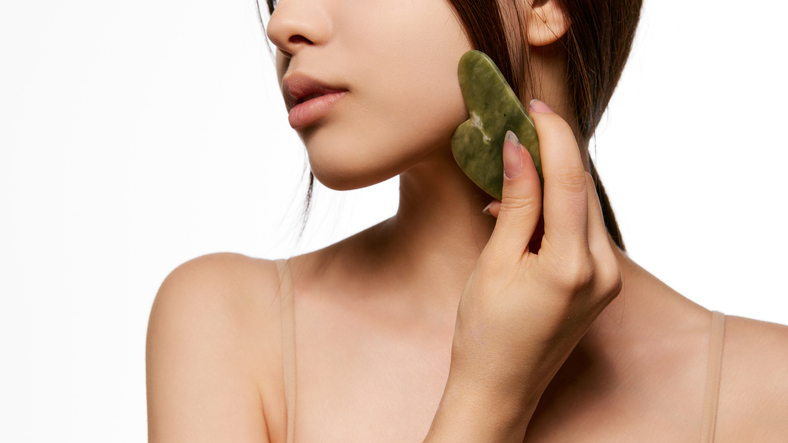
Gua sha is a traditional technique rooted in Chinese medicine, originally used on the body to help relieve muscle tension and improve circulation. In its modern beauty form, facial gua sha uses a smooth-edged tool — often made from jade, rose quartz or similar materials — applied gently to the face and neck.
The technique involves slow, controlled strokes across the skin, typically after applying a facial oil or serum to allow the tool to glide comfortably. The pressure used on the face is much lighter than traditional body gua sha and is designed to support skin health rather than treat pain or inflammation.
What Gua Sha Can Actually Do
One of the most noticeable effects of facial gua sha is improved circulation. The gentle scraping motion encourages blood flow to the surface of the skin, which can create a temporary glow and a fresher appearance.
Gua sha may also support lymphatic drainage. The lymphatic system helps move excess fluid away from tissues, and facial massage techniques can help reduce puffiness, particularly around the eyes and jawline. This is why many people notice their face looks more defined immediately after a session.
Another commonly reported benefit is muscle relaxation. Areas such as the jaw, temples and forehead often hold tension, and regular gua sha can help these muscles feel less tight, which may soften the appearance of tension-related lines over time.
What the Science Says
While gua sha has a long history, scientific evidence supporting long-term cosmetic benefits is limited. Most research focuses on increased circulation or muscle relief in traditional body applications rather than permanent changes to facial structure.
There is currently no strong clinical evidence that facial gua sha can permanently lift the face, significantly reduce wrinkles, or boost collagen production on its own. Any sculpting or tightening effects are generally temporary and depend on consistent use.
That said, temporary results still have value. Improved circulation, reduced puffiness and muscle relaxation can contribute to a healthier-looking complexion when gua sha is used regularly and correctly.
Why Gua Sha Feels So Effective
Part of gua sha’s appeal lies in the ritual itself. Taking a few minutes to slow down, focus on your breathing and perform gentle facial massage can be calming and grounding. This self-care element plays a significant role in why people enjoy the practice and continue to use it.
Social media has also amplified gua sha’s popularity, often showcasing immediate before-and-after results. While these changes are usually short-lived, they can still make the skin appear refreshed and well-rested.
Risks and Things to Be Aware Of
Facial gua sha is generally safe when done gently, but incorrect technique can cause irritation. Using too much pressure may lead to redness or bruising, particularly if capillaries are fragile.
Gua sha should be avoided on broken skin, active acne, inflamed areas or severe sensitivity. Anyone with blood-clotting conditions, circulatory issues or who takes blood-thinning medication should consult a medical professional before trying it.
Pain is a sign that too much pressure is being used. Facial gua sha should feel soothing, not uncomfortable.
How to Use Gua Sha Correctly
To use gua sha safely and effectively, start with clean skin and apply a nourishing oil or serum. Hold the tool at a slight angle and keep it relatively flat against the skin.
Use gentle, upward and outward strokes, working from the centre of the face toward the hairline. Move slowly, focusing on areas where tension tends to build, such as the jawline and forehead. Consistency matters more than pressure, and sessions only need to last five to ten minutes.
Is Gua Sha Worth It?
Gua sha can be a worthwhile addition to your skincare routine if your goals are relaxation, temporary de-puffing and improved circulation. It is affordable, easy to use at home and pairs well with other skincare practices.
However, it’s important to manage expectations. Gua sha is not a substitute for professional treatments or a solution for dramatic, long-term facial sculpting. Its benefits are subtle and best viewed as part of a holistic approach to skin health.
Ultimately, gua sha does work — just not in the transformative way social media sometimes suggests. When used gently and consistently, it can support a healthier, more refreshed appearance while offering a moment of calm in your daily routine.