

Can Nutrition Help Ease Menopause Symptoms? Using Food as a Support Tool
Why Menopause Deserves a Different Approach
Menopause is often framed as something women simply have to endure, but for many, that narrative creates unnecessary fear and frustration. While hormonal changes are unavoidable, the way the body experiences them can vary widely. Nutrition cannot stop menopause, but it can support the body through this transition by stabilising energy, supporting hormone balance and reducing the intensity of certain symptoms. Used thoughtfully, food becomes a tool for resilience rather than a quick fix.
How Nutrition Supports the Menopausal Body
As oestrogen levels fluctuate and decline, the body becomes more sensitive to stress, inflammation and blood sugar changes. Nutrition plays a foundational role in how well the body adapts. Balanced meals provide steady energy, support muscle and bone health, and help regulate mood and sleep. Rather than focusing on restriction, menopause nutrition is about nourishment and consistency.
Step One: Build Balanced Meals for Stable Energy
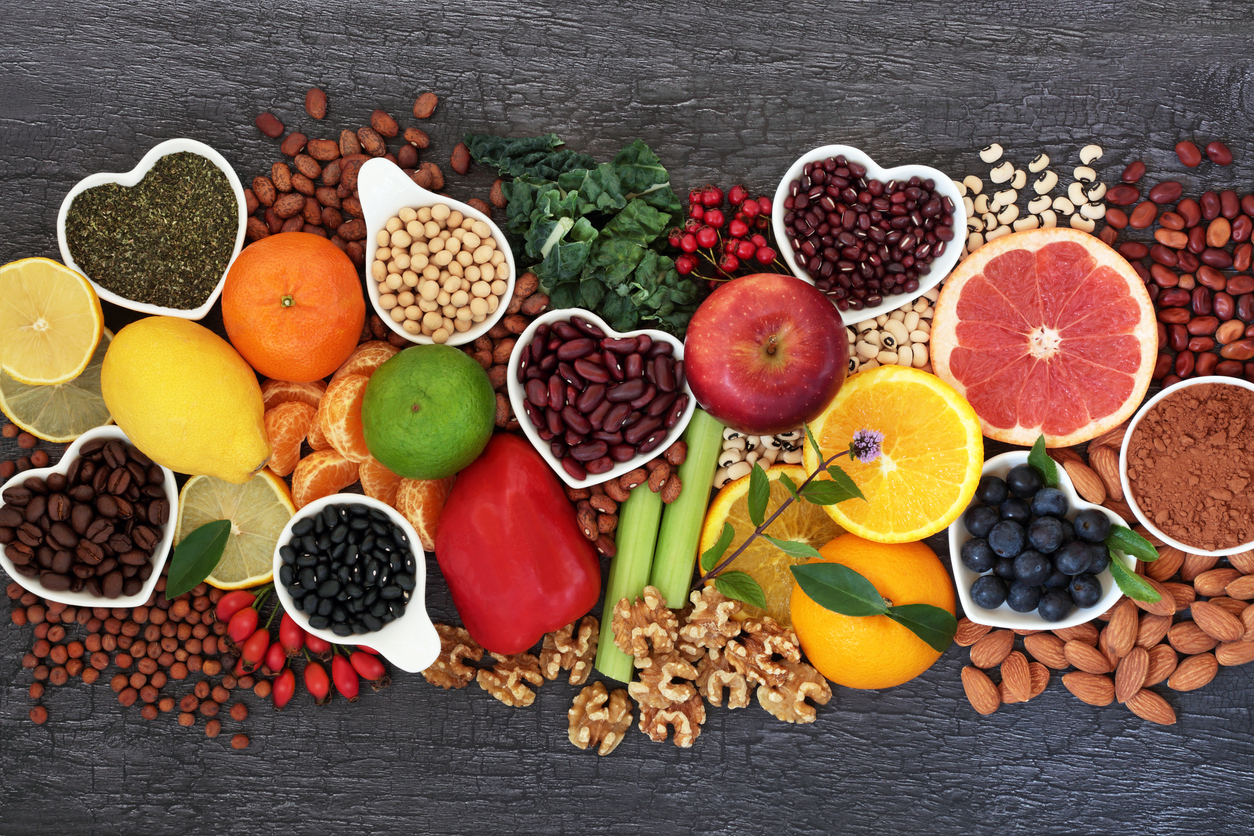
One of the most impactful changes women can make during menopause is prioritising balanced meals. Combining protein, fibre and healthy fats at each meal helps stabilise blood sugar levels, which in turn supports mood, focus and energy. Protein sources such as eggs, fish, beans and yoghurt help maintain muscle mass, while fibre from vegetables, fruit and whole grains supports digestion and fullness. Healthy fats, including olive oil, nuts and seeds, help reduce inflammation and support hormone function.
Step Two: Prioritise Protein for Strength and Metabolism
During menopause, muscle mass naturally declines, which can slow metabolism and affect strength. Increasing protein intake supports muscle maintenance and helps regulate appetite. Including a source of protein at every meal and snack can make a noticeable difference in energy levels and body composition. This doesn’t require drastic changes — simple additions like Greek yoghurt at breakfast or lentils in a salad can be effective.
Step Three: Support Bone Health Through Food Choices
Bone health becomes increasingly important as oestrogen levels fall. Calcium, vitamin D, magnesium and vitamin K all play a role in maintaining bone density. Dairy products, fortified plant milks, leafy greens, tofu and nuts provide key nutrients, while safe sun exposure or supplementation may support vitamin D levels. Building these nutrients into everyday meals helps protect long-term skeletal health.
Step Four: Use Nutrition to Reduce Symptom Triggers
Certain foods and drinks can intensify menopause symptoms for some women. Highly processed foods, excessive sugar, alcohol and caffeine may worsen hot flushes, sleep disruption and anxiety. Rather than eliminating everything at once, a gradual reduction allows women to observe how their body responds. Replacing processed foods with whole, nutrient-dense options often leads to steadier energy and fewer symptom spikes.
Step Five: Support Gut Health for Hormone Balance
Gut health plays a growing role in hormone regulation. A fibre-rich diet supports a healthy gut microbiome, which helps the body process and eliminate hormones efficiently. Including a variety of vegetables, whole grains and fermented foods can improve digestion, reduce inflammation and support overall wellbeing. A healthy gut also supports immune function, which becomes more important with age.
Step Six: Use Nutrition to Support Better Sleep and Stress
Sleep problems are one of the most disruptive menopause symptoms. Nutrition can indirectly improve sleep by supporting stable blood sugar and reducing overstimulation. Eating regular meals, limiting caffeine later in the day and ensuring adequate magnesium intake may support relaxation. Gentle evening routines, paired with nourishing meals, help signal safety and calm to the nervous system.
Why Consistency Matters More Than Perfection
There is no universal menopause diet. What works for one woman may not work for another. The most effective approach is consistent, supportive nutrition rather than perfection or restriction. Small, sustainable changes often have the greatest long-term impact. Listening to your body and adjusting as needed is far more powerful than following rigid rules.
Food as a Foundation, Not a Cure
Nutrition is not a replacement for medical support, but it can be a strong foundation for navigating menopause with confidence. When combined with movement, stress management, sleep care and professional guidance where needed, food becomes a tool for empowerment rather than control.
Menopause is not the end of vitality. With the right support, it can be a period of recalibration, strength and renewed focus on long-term health.