Are We Moving Forward or Backward in Tech? The Rise of Foldable Phones, Smart Glasses and Digital Cameras
Technology is supposed to move in one direction: forward. Faster, thinner, smarter, more invisible. But lately, the tech world seems to be doing something more complicated. Foldable phones are bringing back the feeling of flip devices. Smart glasses are reviving the idea of wearable screens. Digital cameras are returning to everyday culture, even as smartphone cameras grow more powerful each year.
It raises a genuine question. Are we actually moving forward in tech, or are we circling back to older ideas with better materials and better marketing?
Why Foldable Phones Feel Like the Future and the Past at the Same Time
Foldable phones are one of the clearest examples of this contradiction. On paper, they represent cutting-edge innovation: flexible glass, advanced hinges and larger screens that fold into compact devices. In reality, they emotionally feel like a return to something familiar.
The physical act of opening and closing a device connects directly to the flip phone era. There is something satisfying about it, something tactile and deliberate. It makes technology feel visible and interactive again instead of flat and passive.
Industrially, foldables are forward-thinking. Culturally, they are comforting and nostalgic. This blend is exactly why they feel so powerful right now.
Smart Glasses and the Dream of Visible, Wearable Tech
Smart glasses are quietly re-entering mainstream conversation after early versions failed to fully connect with consumers. This time, they feel more refined. Lighter. More fashionable. Less intrusive.
What makes smart glasses interesting is that they sit openly on the face. They don’t hide inside a pocket or disappear into a bag. They make technology visible again.
This reflects a broader trend happening elsewhere in tech and culture. People are becoming less interested in invisible systems and more drawn to tangible, wearable, physical technology that feels like part of their identity rather than an abstract tool.
Smart glasses aren’t just about screens. They represent a desire to make tech feel human again.

Why Digital Cameras Are Popular Again in a Smartphone World
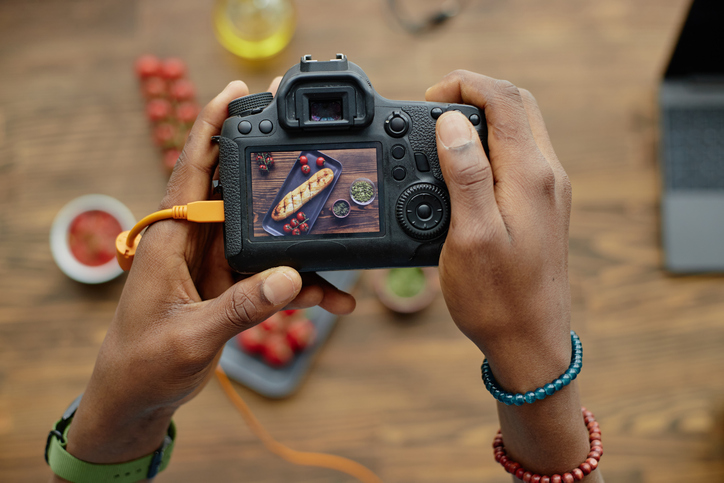
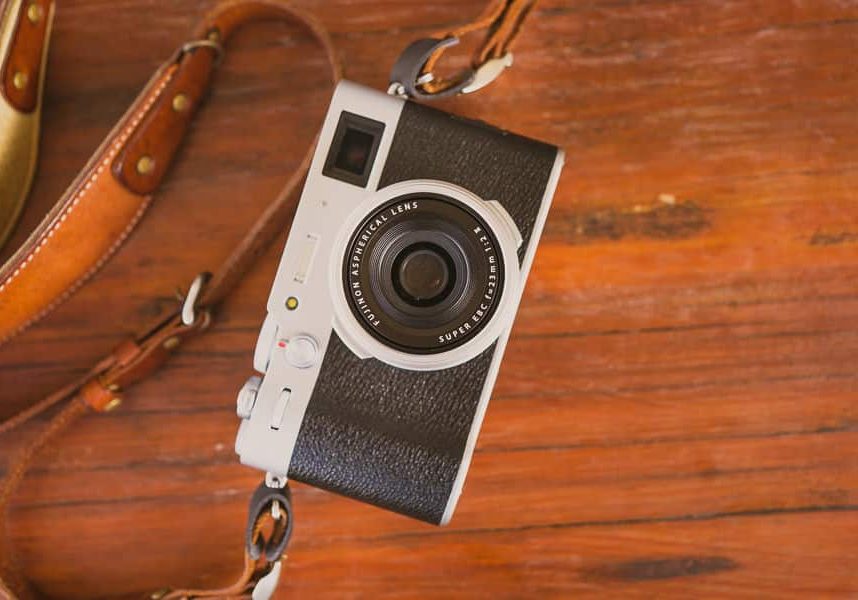
The return of the digital camera might be the most surprising of all. Modern smartphones have incredible cameras, yet people are deliberately reaching for chunky compact cameras and point-and-shoot styles again.
Digital cameras introduce imperfection. Grain. Flash. Focus delays. Colour inconsistency. And that is exactly the appeal.
Photos feel less polished and more emotional. They feel like memories rather than content. You’re less tempted to edit endlessly or post instantly. You experience the moment first and the image second.
This mirrors what we are seeing in the retro music movement where physical formats are preferred over digital convenience. It isn’t about better output, it’s about a better feeling.
The Cultural Shift: From Perfect to Personal
For years, tech focused on being invisible and seamless. Devices tried to disappear. Interfaces tried to become frictionless. The goal was to remove all resistance.
Now the cultural shift is clearly moving in the opposite direction. People want friction. Texture. Buttons. Hinges. Clicks. Weight. Imperfection.
This is why the comeback of physical music formats has resonated so deeply. It is the same instinct behind choosing a vinyl record over streaming, or wired headphones over wireless. People want their technology to feel intentional instead of endless.
Is This Movement About Going Backwards?
On the surface, this can look like regression. Why fold phones when slabs work? Why digital cameras when smartphones exist? Why smart glasses when phones already do everything?
But this is not about returning to old limitations. It is about bringing emotion, tactility and ritual back into technology.
Technically, we are moving forward. Emotionally and culturally, we are digging into familiar shapes and behaviours because they feel safer and more meaningful.
This is not a rejection of progress. It is a redesign of what progress feels like.
The Sustainability Question Tech Can’t Ignore
There is an uncomfortable side to all of this. Many of these devices are being produced brand new, at scale, to look nostalgic or feel retro. That creates more waste, more packaging and more environmental impact in the name of “slow tech” aesthetics.
The best version of this trend is when people reuse, refurbish and extend the life of older devices rather than constantly buying the newest version of something designed to look old.
The future of tech has to include emotional value and environmental responsibility if it wants to be taken seriously.
Why This Moment in Tech Actually Feels Exciting
For the first time in years, technology feels emotional again. It feels creative. It feels human. People are not just asking what tech can do, but how it feels to use it.
Foldable phones feel theatrical. Digital cameras feel nostalgic. Smart glasses feel cinematic. All of them reflect a deeper cultural desire to reconnect with physical experience in a world that became too virtual too quickly.
Final Thoughts
We are not going backwards in tech. We are going forward in a different way.
Technology is no longer chasing invisibility. It is embracing texture, movement, ritual and design. Much like the revival of physical music for