The Shift in One View
- Outcome: Wealthy investors are shifting from Dubai to Milan as perceived risk in the Gulf rises and Europe becomes strategically attractive again.
- Mechanism: Italy’s flat-tax regime, European access, and growing wealth-planning infrastructure are outweighing Dubai’s tax advantage under uncertainty.
- Implication: Capital does not stay loyal to the most glamorous jurisdiction. It moves to the one that feels most defensible when risk changes.
Dubai was supposed to be the endgame — zero tax, global access, no reason to leave.
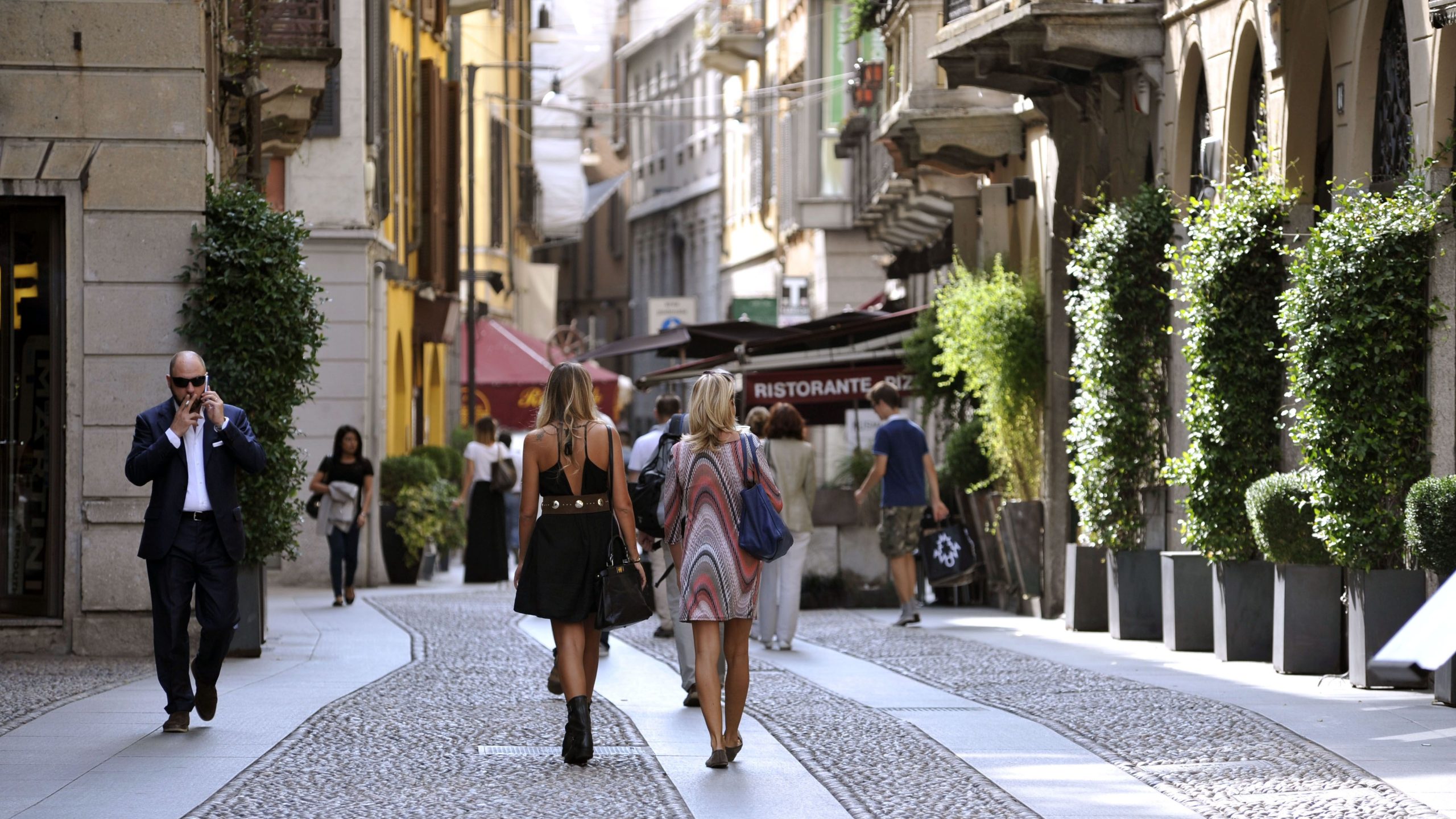
Now some of the same people who built their lives around that logic are looking elsewhere, and Milan is emerging as the city gaining most from that shift.
That matters far beyond the ultra-wealthy. When serious money starts moving, it is rarely just about lifestyle. It is about risk, predictability, and how quickly a location can stop feeling safe as a base for wealth, business, and family life.
Most people assume the rich chase the lowest taxes. In reality, they move when the downside starts to look harder to control. That is what this shift really reveals.
Why money is suddenly moving out of Dubai
On paper, Dubai’s core offer still looks powerful. The tax advantages remain. The luxury infrastructure is intact. The city still has the global image many wealthy migrants wanted to buy into.
What has changed is not the marketing. It is the risk calculation.
The source points to Iranian missile activity affecting the UAE. Whether temporary or not, that introduces something markets and wealthy families react to fast: uncertainty. Not confirmed collapse. Not proven long-term damage. Just the credible possibility that conditions could change quickly.
That is enough to trigger movement.
High-net-worth individuals do not wait for risk to become permanent. They reassess as soon as it becomes plausible. When residence, wealth, schooling, and business networks are concentrated in one place, even a modest increase in perceived instability can make the whole setup feel less secure.
This is where the real decision changes. Not when a system fails, but when its downside becomes harder to predict.
Why Milan is now winning
Italy’s flat-tax regime is not new. It has been in place since 2017. For years, it was attractive, but it did not create the same urgency now building around Milan.
The difference is that the competitive landscape has shifted.
Italy allows qualifying new residents to pay a fixed annual charge on foreign income. For the ultra-wealthy, that matters not simply because it lowers tax, but because it creates a level of certainty. In wealth planning, certainty often matters more than the headline rate.
That is why Milan is now benefiting from several pressures landing at once. The UK’s non-dom regime has ended. Portugal has tightened parts of its offer. Dubai, once the obvious escape route, now carries a fresh layer of geopolitical doubt.
At the same time, Italy is increasingly being sold not just as a beautiful place to live, but as a practical base for wealthy international families. Private banks and advisers frame it as a broader package: tax efficiency for qualifying residents, European market access, established legal and financial infrastructure, and the kind of lifestyle that makes permanent relocation easier to justify.
That changes the story.
Milan is not suddenly winning because it is perfect. It is winning because it now looks like the most balanced option — one that offers enough tax efficiency, enough institutional stability, and enough international credibility to make the move feel rational rather than speculative.
What people get wrong about this shift
The easy explanation is tax. It is always tax. But tax alone does not explain movement at this level.
Wealthy individuals do not optimise only for maximum upside. They optimise for risk-adjusted positioning. They want tax efficiency, but they also want legal predictability, access to markets, mobility, continuity for family life, and confidence that one shock will not suddenly make their base feel exposed.
That is the misunderstanding at the heart of this story.
People think the rich move toward opportunity. In reality, they often move away from asymmetrical risk — places where the downside is difficult to model and even harder to hedge.
That is why this is not really a Dubai story or an Italy story. It is a story about how capital behaves when the conditions around it become less stable.
Where the real impact shows up
These shifts do not appear first in ideology or headlines. They appear in prices, demand, and the behaviour of advisers.
Milan’s property market is already showing the effects. The source notes sharp price growth over five years and rising interest from international buyers who are no longer looking only for second homes. They are looking for residency, schools, airports, and a long-term base.
That distinction matters. Second-home demand is optional. Residency demand is embedded. It brings capital, spending, social networks, and a more permanent reshaping of the local market.
This is where value starts to change form. From mobile wealth parking temporarily in a city to structural money remaking it.
And this is where the wider consequence sits. Once capital begins repricing location risk, the winners are not always the places with the lowest tax bill. They are the places that feel safest to commit to when the world looks less predictable.
Why this matters beyond the super-rich
At first glance, this looks like a niche story about billionaires changing addresses.
It is not. It is a live example of how money responds under pressure. Businesses do the same thing. Investors do the same thing. Founders, executives, and internationally mobile professionals all make versions of this decision when the balance between opportunity and risk shifts.
The pattern is consistent. When uncertainty rises, decision-making stops being about maximising upside and starts being about protecting downside.
That shift usually happens earlier than most people expect. Before a market fully reprices. Before the broader public treats the risk as permanent. Before the old winner realises its advantage is no longer enough.
What This Actually Reveals
Dubai has not suddenly collapsed. Milan has not magically become the new global capital of wealth.
What changed is more important than either of those claims.
The balance between advantage and uncertainty moved.
And when that happens, capital does not ask where life looks most exciting. It asks where the risk feels easiest to live with.
This reveals that wealth does not move toward glamour first. It moves away from unpredictability.