From Chips to Chatbots: The Top 10 Richest People in AI in 2026
Artificial intelligence has become one of the most powerful wealth-creation engines in modern business. What began as a niche academic field has evolved into a global race for computing power, data, and AI infrastructure.
In 2026, the biggest winners of the AI boom aren’t just tech companies—they’re the founders, executives, and investors whose fortunes have surged alongside the technology itself.
From chipmakers powering the world’s data centres to entrepreneurs building the next generation of AI models and platforms, here are the ten richest people driving the AI revolution—and the fortunes they’ve built along the way.
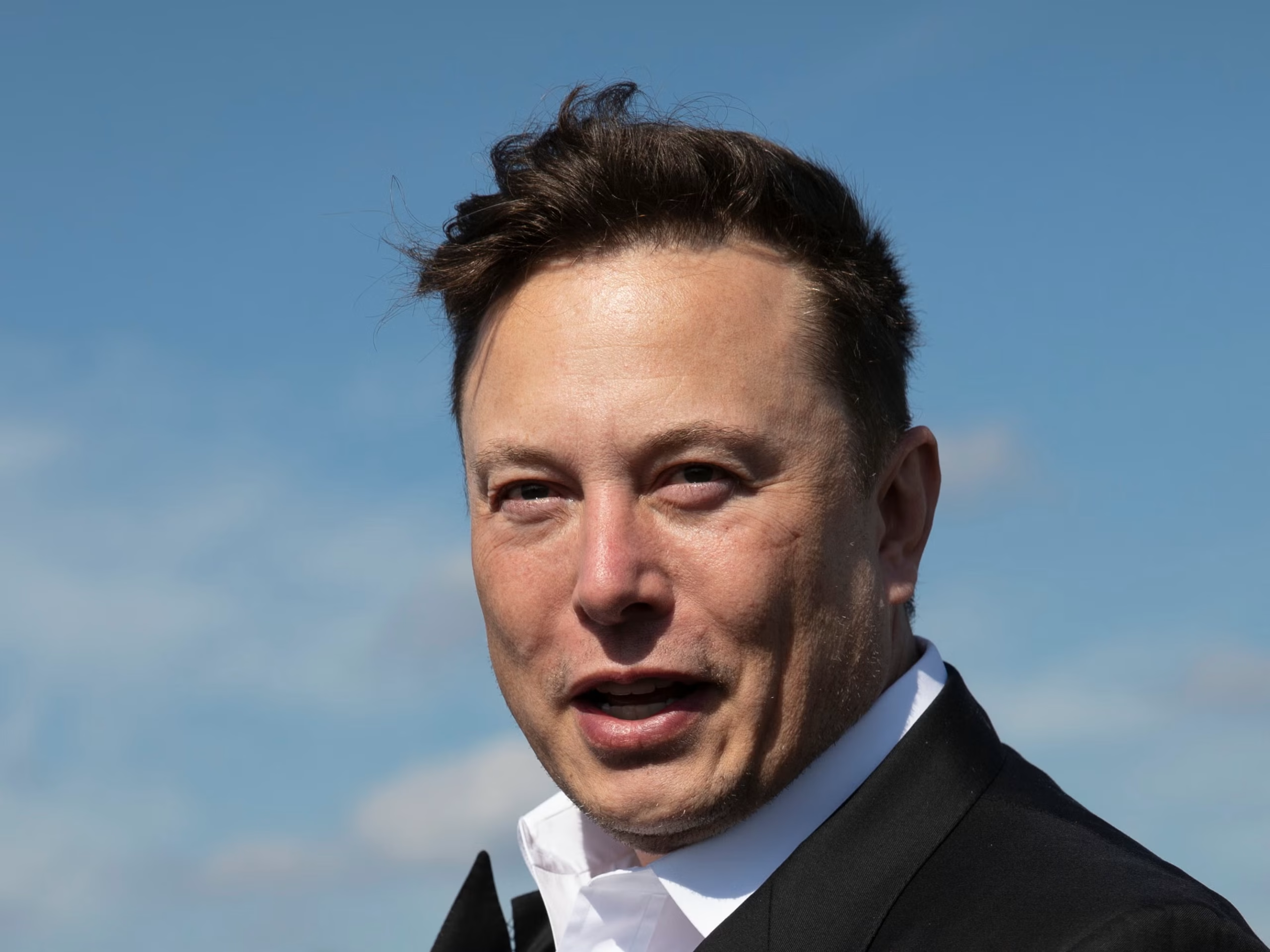
1. Elon Musk – Net Worth: $836.7 Billion
:max_bytes(150000):strip_icc():focal(700x148:702x150)/elon-musk-net-worth-vivatech-fair-031325-638c55047a4f4dd294edbbff9c0e06e2.jpg)
Elon Musk remains the dominant financial force behind the artificial intelligence boom. As of March 12, 2026, Forbes estimates his net worth at $836.7 billion, making him by far the richest individual connected to the global AI industry.
While Musk built his fortune through Tesla and SpaceX, artificial intelligence is now central to both companies’ long-term strategies. Tesla’s autonomous driving systems rely on AI models trained on vast datasets collected from its global fleet of vehicles.
Musk has also expanded directly into generative AI with xAI, the startup behind the Grok chatbot and a growing family of large language models. Its integration with the social platform X provides a massive stream of real-time data used to train future AI systems.
Beyond software, Musk is investing heavily in robotics, autonomous vehicles, and large-scale computing infrastructure—placing him at multiple layers of the AI economy.
In 2026, Musk is not just the richest person linked to AI. He is one of the most powerful business figures in modern history, with influence spanning transportation, space exploration, social media, and the rapidly expanding artificial intelligence industry.
2. Larry Page – Net Worth: ~$253 Billion
:max_bytes(150000):strip_icc():focal(734x359:736x361)/larry-page-232d495f39b4483fa35e46da226c5e9f.jpg)
Larry Page helped build one of the most powerful technology companies in history—and much of his fortune is now tied to the rise of artificial intelligence. As a co-founder of Google and former CEO of its parent company Alphabet, Page remains one of the biggest financial beneficiaries of the AI boom.
Alphabet has invested heavily in artificial intelligence for more than a decade, developing technologies that power search, advertising, cloud computing, and the company’s latest generation of large language models.
Although Page stepped away from day-to-day leadership in recent years, his large ownership stake means Alphabet’s AI expansion continues to add billions to his personal wealth.
Today, AI sits at the core of Google’s products—from search and cloud services to smartphones and productivity tools—ensuring Page remains one of the richest figures connected to the global AI industry.
3. Sergey Brin – Net Worth: ~$233 Billion
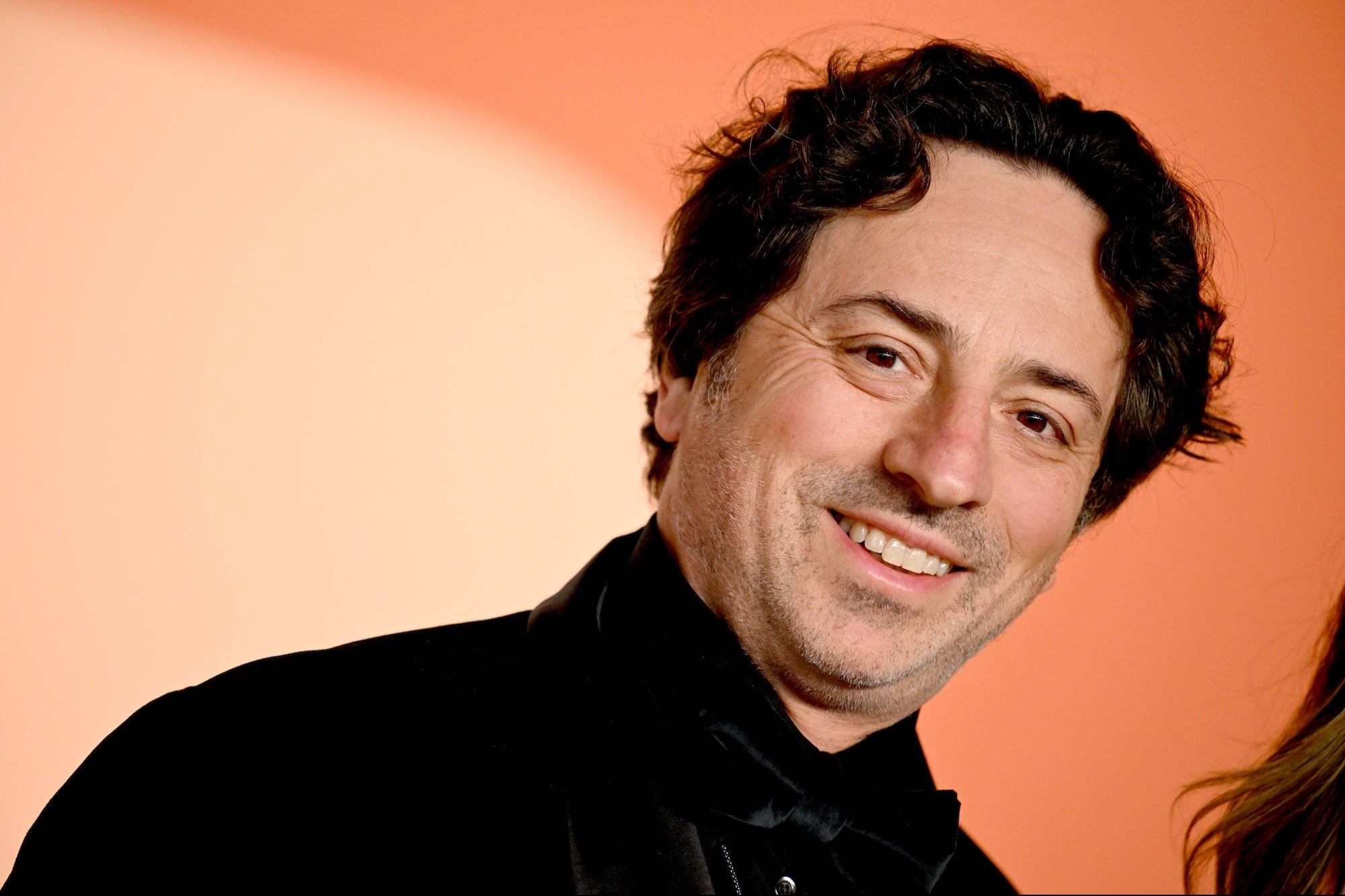
Sergey Brin, the other half of Google’s founding duo, has seen his fortune climb alongside the rapid expansion of artificial intelligence across Alphabet.
Brin returned to a more active role in recent years as competition intensified in the AI race. The rise of generative AI forced Google to accelerate development of its own models and integrate artificial intelligence more deeply into products such as search, cloud computing, and productivity software.
Alphabet’s Gemini AI system has become a cornerstone of the company’s strategy, reinforcing its position as one of the dominant players in the global AI industry.
With a vast equity stake in Alphabet, Brin benefits directly from every breakthrough in the company’s AI capabilities—adding billions to his personal fortune as the technology continues to scale.
4. Larry Ellison – Net Worth: ~$192 Billion

Larry Ellison has emerged as one of the biggest beneficiaries of the artificial intelligence infrastructure boom. As companies race to train and deploy advanced AI models, demand for cloud computing power has surged—positioning Oracle as a key supplier of that capacity.
Oracle has invested tens of billions of dollars into building data centres designed specifically for AI workloads, competing directly with cloud giants like Microsoft, Amazon, and Google. Strategic partnerships with major AI developers have further strengthened Oracle’s role in the industry’s expanding infrastructure layer.
Ellison’s wealth continues to move with Oracle’s stock price, but the broader trend is clear: artificial intelligence has reinvigorated the company’s growth story.
Few executives have been as outspoken about AI’s economic potential as Ellison, who believes the technology will fundamentally reshape enterprise software and corporate decision-making in the years ahead.
5. Jensen Huang – Net Worth: ~$160 Billion
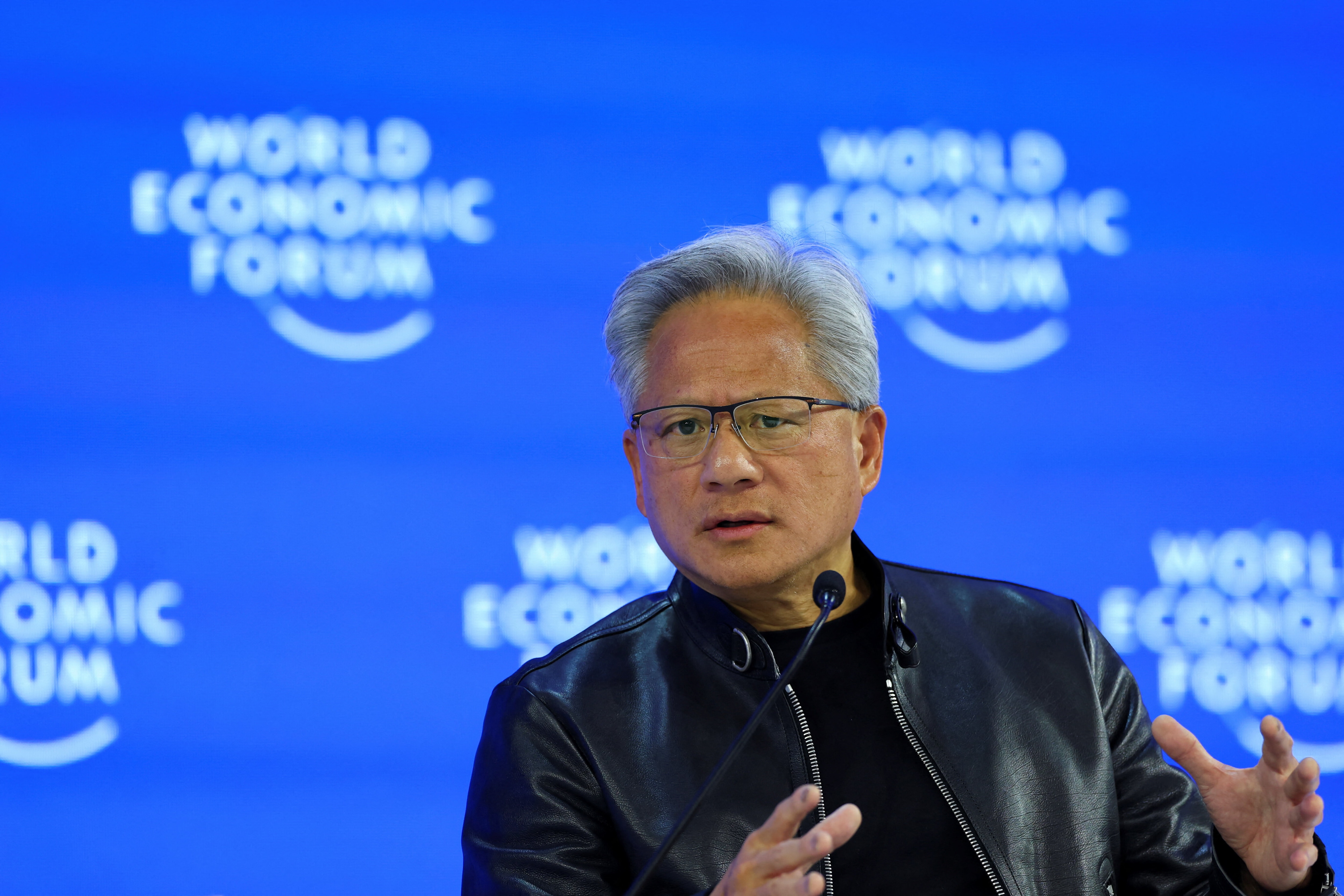
Jensen Huang has been one of the biggest financial winners of the artificial intelligence boom. As the co-founder and chief executive of Nvidia, Huang oversees the company whose chips power much of the world’s AI infrastructure.
Nvidia’s graphics processing units (GPUs) have become the essential hardware behind modern AI models. Training advanced systems requires enormous computational power, and Nvidia’s processors dominate that market.
Demand for AI chips has surged as technology companies race to build larger and more powerful models. The resulting boom pushed Nvidia’s market value into the trillions and propelled Huang into the ranks of the world’s richest individuals.
In many ways, Nvidia sits at the centre of the AI economy. Without its chips, many of the world’s most advanced artificial intelligence systems simply could not exist.
6. Edwin Chen – Net Worth: ~$18 Billion
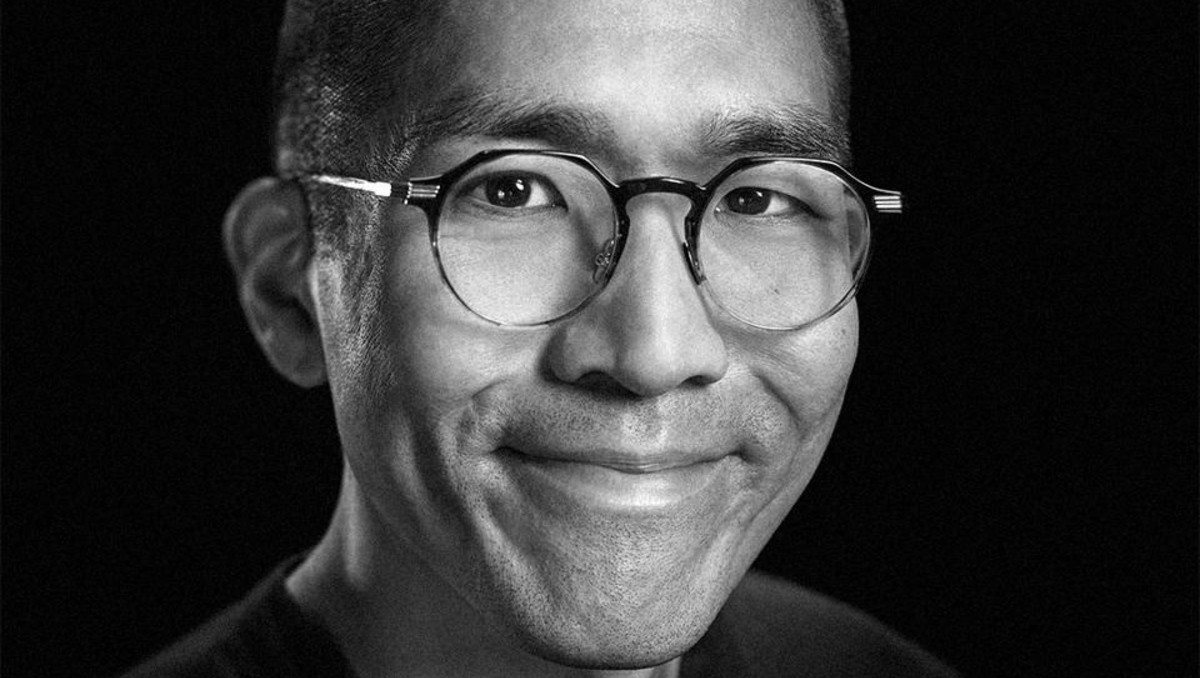
Edwin Chen represents a new generation of entrepreneurs building the hidden infrastructure behind artificial intelligence. As the founder of Surge AI, Chen oversees a business that plays a critical role in training modern AI models.
Data labeling—organizing and annotating massive datasets so machines can learn from them—has become an essential step in developing advanced AI systems. While less visible than chip makers or AI model developers, companies like Surge provide the foundational data that powers the entire industry.
Chen retained a large ownership stake in the company rather than relying heavily on traditional venture capital, allowing him to capture much of its rapidly rising value as demand for high-quality training data surged.
As AI models become more sophisticated, data infrastructure firms like Surge are emerging as some of the most valuable—and least visible—players in the global AI ecosystem.
7. Aravind Srinivas – Net Worth: ~$14 Billion
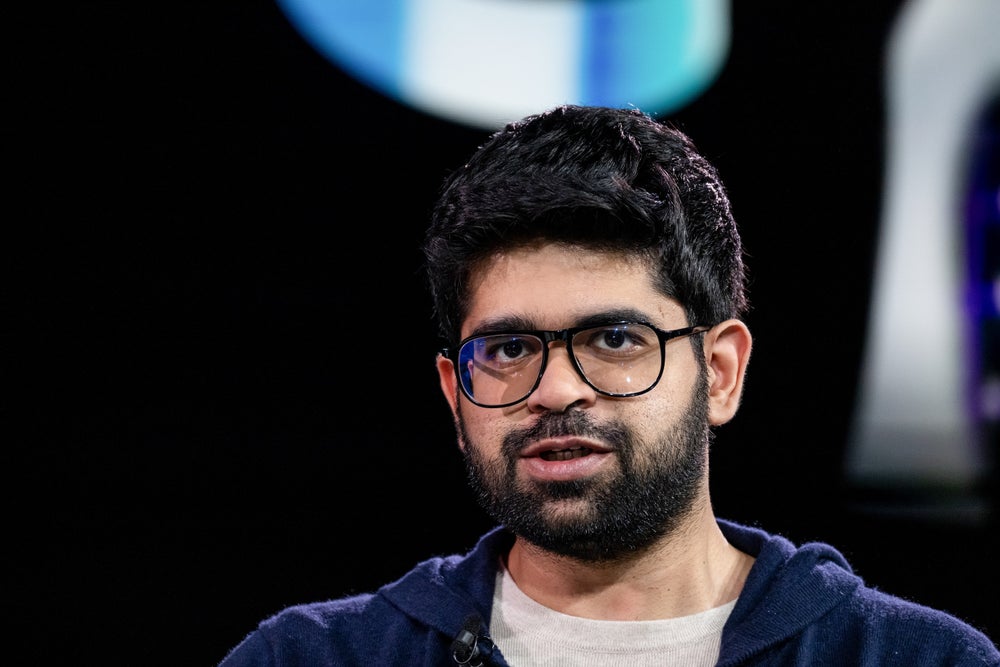
Aravind Srinivas is one of the newest billionaires created by the artificial intelligence boom. As the co-founder of Perplexity AI, Srinivas leads a company aiming to reinvent how people search for information online.
Perplexity combines conversational AI with real-time web data, allowing users to ask complex questions and receive sourced answers rather than traditional lists of links. The approach has attracted significant venture capital investment and positioned the startup as a potential challenger to established search engines.
Srinivas’s rapid rise highlights how AI startups can achieve enormous valuations in a short period of time—particularly when they attempt to disrupt long-standing technology giants.
As AI-powered search evolves, companies like Perplexity could reshape how billions of people access information across the internet.
8. Daniel Nadler – Net Worth: ~$7.6 Billion
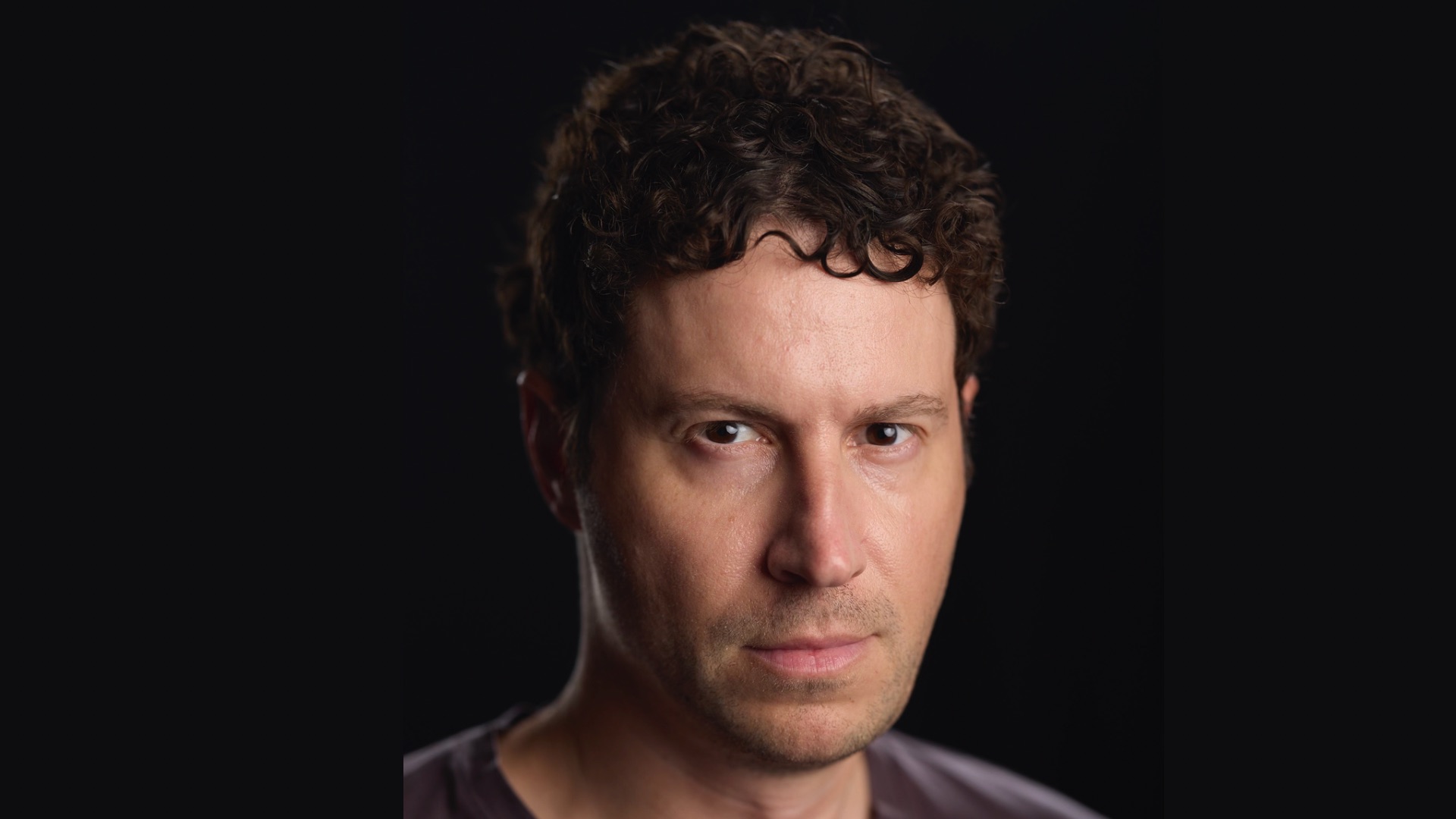
Daniel Nadler has built one of the most promising artificial intelligence companies in healthcare. His startup OpenEvidence develops AI-powered search tools designed specifically for doctors.
The platform helps medical professionals quickly access clinical research, treatment data, and evidence-based insights, allowing them to make faster and more informed decisions.
Healthcare is widely seen as one of the largest long-term markets for artificial intelligence, and companies that successfully integrate AI into clinical workflows could reshape how medicine is practiced.
OpenEvidence’s rapid growth has propelled Nadler into the billionaire ranks, highlighting how specialized AI applications can generate enormous value in highly complex industries.
9. Sam Altman – Net Worth: ~$3 Billion
:max_bytes(150000):strip_icc()/INV_SamAltman_GettyImages-2153474303-85e8dafc100b40f586c3ef573ee59b00.jpg)
Sam Altman has become one of the most recognizable figures in the artificial intelligence revolution. As the leader of OpenAI, Altman oversees the organization behind ChatGPT and some of the most widely used AI models in the world.
The explosive adoption of generative AI tools has transformed OpenAI from a research-focused organization into one of the most valuable companies in the technology sector.
Large funding rounds and soaring company valuations have boosted Altman’s personal fortune, placing him among the newest billionaires closely tied to the AI boom.
Beyond building AI systems, Altman has also become a prominent voice in global debates about AI governance, safety, and the long-term implications of artificial general intelligence.
10. Lucy Guo – Net Worth: ~$1.4 Billion

Lucy Guo represents a new generation of entrepreneurs building the infrastructure behind artificial intelligence. As a co-founder of Scale AI, Guo helped create one of the leading platforms used to prepare the massive datasets required to train AI systems.
Scale AI provides data labeling and training services to major technology companies and government agencies developing advanced machine learning models.
Although Guo stepped away from day-to-day operations several years ago, her early equity stake in the company has made her one of the youngest self-made billionaires linked to the AI industry.
Her success highlights how valuable the supporting layers of the AI ecosystem—data preparation, training pipelines, and model evaluation—have become as companies race to build more powerful AI systems.
Close Contenders
Several other entrepreneurs are quickly rising through the AI wealth rankings. Founders behind companies such as Mistral AI, ElevenLabs, and Applied Intuition have built businesses valued in the billions as investors continue pouring capital into the AI sector.
At the same time, major technology companies—including Microsoft, Amazon, and Meta Platforms—are investing tens of billions of dollars into artificial intelligence infrastructure, cloud computing, and next-generation AI software.
As the global AI race accelerates, the next wave of billionaires may emerge from companies that are only just beginning to scale.
The Bigger Picture
These ten individuals illustrate the extraordinary financial impact artificial intelligence is having on the global economy. Together, the AI leaders on this list control an estimated $1.72 trillion in combined wealth, highlighting just how powerful the technology’s economic influence has become.
What began as an academic research field has rapidly evolved into one of the most transformative technological forces of the 21st century.
From semiconductor manufacturers and cloud infrastructure providers to software platforms and data companies, the AI boom is creating vast new fortunes—while concentrating enormous influence in the hands of a relatively small group of founders and executives.
The scale of these fortunes now rivals wealth created in other industries—from entertainment and sports to music empires such as the world’s richest rappers, showing how technological innovation can reshape global wealth just as dramatically as cultural influence.
As artificial intelligence continues to transform industries worldwide, the wealth and influence of today’s AI pioneers are likely to grow alongside the technology they helped build.