Millions of U.S. jobs are at risk as baby boomer business owners retire without formal succession plans, creating a leadership and succession crisis for small businesses across the country.
Nearly half of U.S. small-business owners are 55 or older, yet just 54% have a formal succession plan, according to Forbes. Small businesses employ 62 million Americans and account for roughly 43% of U.S. GDP, the Small Business Administration reports.
Adding to workforce pressures across the U.S., enterprise giant Oracle is reportedly weighing 20,000–30,000 job cuts as it ramps up spending on AI-focused data centres. Analysts warn this move could strain the company’s cash flow for years, highlighting that both small and large businesses face major succession and workforce challenges in a rapidly evolving economy.
"This wave of retirements could dramatically reshape the small-business landscape," said William Fry, founder of American Operator, a company connecting retiring owners with new operators. "These businesses are huge creators of wealth — they represent the most pure version of the American Dream."
Many owners have spent decades building their companies, relying on relationships and reputation rather than marketing or advertising. After 12 years growing a painting business in Jackson, Wyoming, Erik and Kassie Hansen of Greenway Painting began planning their next chapter.
By 2024, 90% of revenue came from commercial clients, and 85% came from repeat customers, highlighting the loyalty cultivated over decades.
American Operator helped pair Greenway with Anthony Douglas, a former U.S. Air Force combat controller and serial entrepreneur. Douglas became CEO in October 2025, acquiring a 10% equity stake with a structured path toward majority ownership. He relocated from Tucson to Jackson to maintain customer trust while gradually implementing operational improvements.
For CEOs and small-business leaders, the story highlights the financial and operational risks of unplanned succession, whether at local businesses or major corporations.
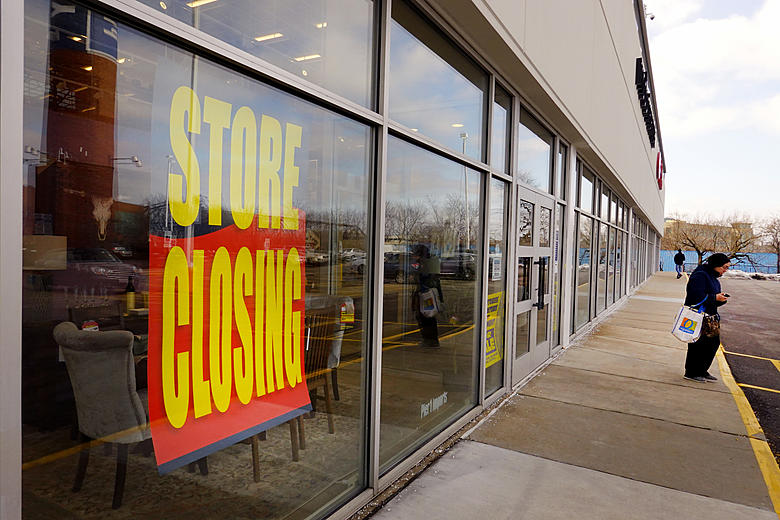
Companies without clear leadership transition strategies may face disruption, lost revenue, or closures — which in turn can destabilise local economies. At the same time, retiring owners present an opportunity for new entrepreneurs and operators to preserve businesses, protect jobs, and capture economic upside.
Across the U.S., succession challenges are widespread. Less than 1 in 2 small-business owners have formal exit strategies, leaving millions of jobs vulnerable. Companies like American Operator are now bridging the succession gap, sometimes including structured equity deals and eventual public offerings, allowing everyday Americans to participate in small-business ownership.
Investors, entrepreneurs, and policymakers will be watching closely to see how baby boomer retirements, small-business succession planning, and corporate workforce shifts like Oracle’s layoffs reshape the U.S. economy over the next decade. Key questions include how many businesses will successfully transition ownership versus close, whether succession-focused platforms expand into other sectors, and whether structured equity programs could create broader public participation in private small businesses.
Key Takeaways
• Millions of U.S. jobs could be at risk as baby boomer business owners retire without succession plans
• Nearly half of owners are 55+, but fewer than 54% have a formal small business succession plan
• Enterprise giant Oracle is reportedly planning 20,000–30,000 job cuts amid AI data centre expansion
• Companies like American Operator are bridging the gap, pairing retiring owners with new operators
• Structured equity programs allow entrepreneurs and investors to acquire small businesses and share in economic growth