Six Reasons to Use a VPN Outside of Work
Chances are that you spend a considerable amount of time online. Not just for work, but for entertainment or socialising – or a mix of all three. But with each click, you risk exposing your personal information to hackers and even your internet service provider (ISP). With concerns growing around data privacy and online security, more people are turning to VPNs as an essential tool outside the office as well. Below, we'll explore six reasons why a VPN offers a safer, more private online experience. But first, what is the meaning of 'VPN'?
What is a VPN?
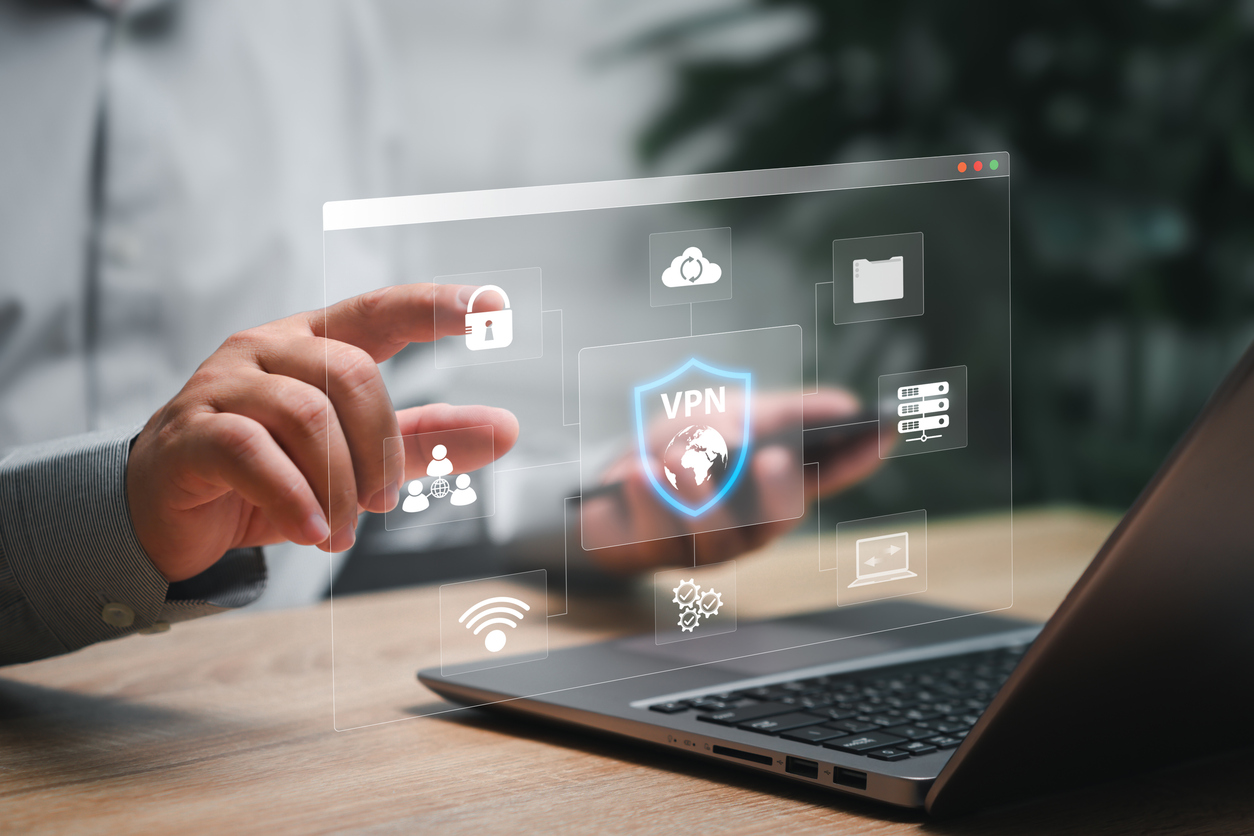
A VPN, short for 'virtual private network', is a tool that creates a secure, encrypted connection between your device and the internet. It routes your traffic through a remote server, concealing your IP address, thus making your online activities harder to trace. Using a VPN ensures that your personal data remains private, even when browsing or accessing public networks. Here are six key advantages:
- Protect Your Privacy and Data
Websites, apps, and even your ISP can track your browsing history and gather data about your online habits. However, when you use a VPN, third parties can't see what you're doing online. It gives you more control over who has access to your personal information. It's crucial when you're accessing sensitive data like banking details or private communications.
- Secure Public Wi-Fi & Remote Working
Whether in cafes, airports, or hotels, public Wi-Fi networks are often insecure, making it easier for hackers to intercept your data. A VPN ensures that your connection remains secure, even on these vulnerable networks. If you work remotely or often access sensitive business data while out and about, you’ll already know that a VPN is vital. It safeguards your work activities, protecting sensitive company data from being compromised. But it does so for your private data, too.
- Access Region-Locked Content and Avoid Geo-Blocks
Some websites, streaming services, and even news outlets restrict content based on your geographic location. This limitation can be frustrating when you're trying to access your favourite shows or research topics that are only available in certain regions. A VPN lets you virtually change your location by connecting to servers in different countries. It allows you to bypass these geo-blocks and access content from anywhere in the world.
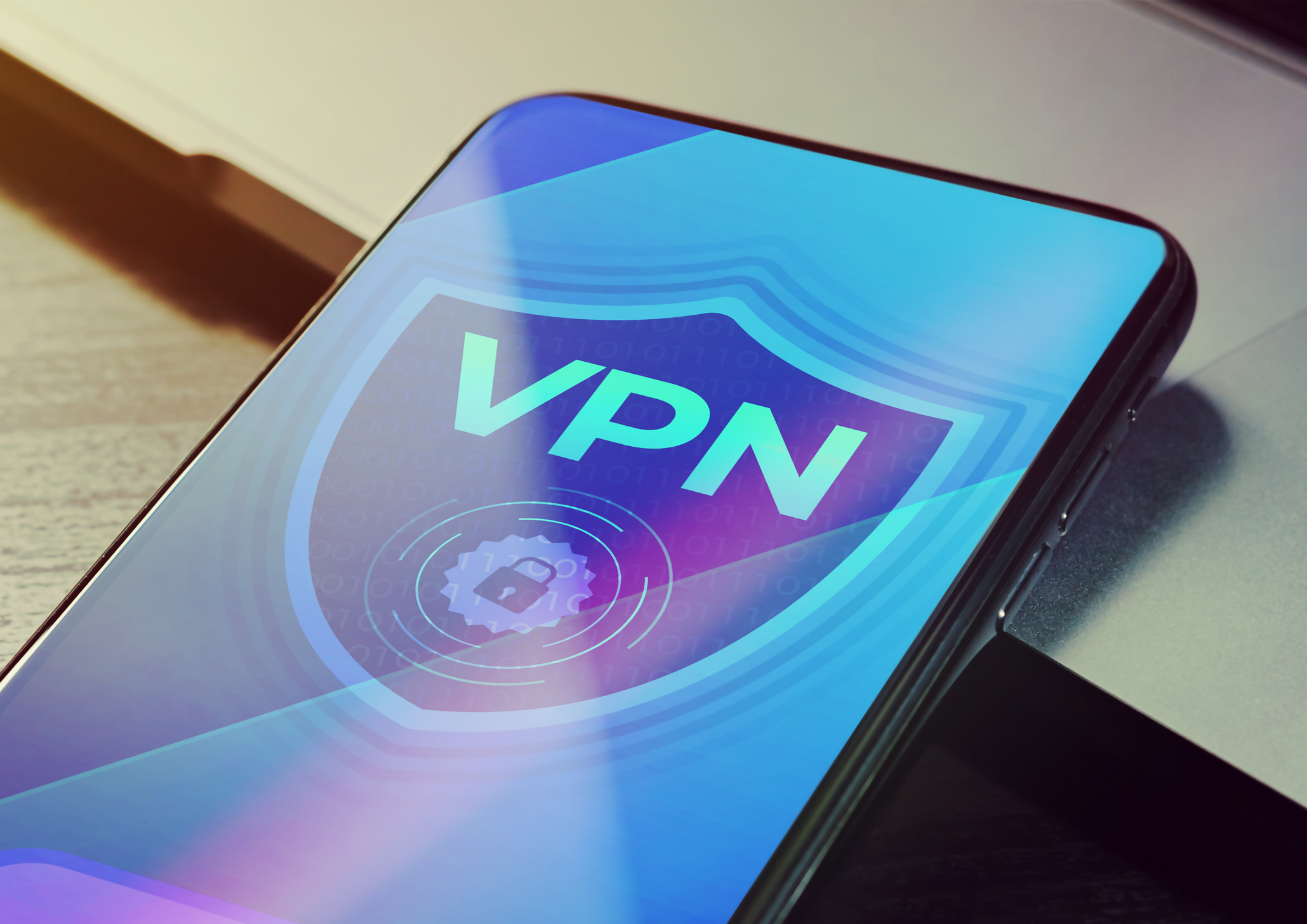
VPN - Virtual private network application for encrypt connection, anonymous internet using and unblock websites. Close up vpn security network sign logo on the smartphone screen.
- Bypass Censorship
In some countries, government censorship restricts access to certain content. If you're travelling to or residing in a country with these restrictions, a VPN can help you bypass them. By encrypting your connection and changing your virtual location, you can access the information you need without interference.
- Avoid Tracking & Stay Safe Abroad
When travelling, your online activity can become more vulnerable. It can be exposed to tracking by local authorities, hackers, and even companies looking to collect personal data. A VPN not only protects your browsing habits but also shields your identity from websites and advertisers. Whether you're in a foreign country or simply trying to avoid invasive ads, a VPN makes it harder for others to track your every move.
- Manage Bandwidth Throttling
Some ISPs intentionally slow down your internet connection when streaming or gaming. A VPN lets you access content faster by bypassing this practice, which is known as throttling. So, your viewing or playing experience should remain smooth and unrestricted.
Use a VPN and Stay Safe Online
Now you know why a VPN can be such an important tool. Check out different providers' features, compare pricing, and read the reviews before you make your choice. Don’t just use a VPN at your workplace – treat your own personal data just as well.