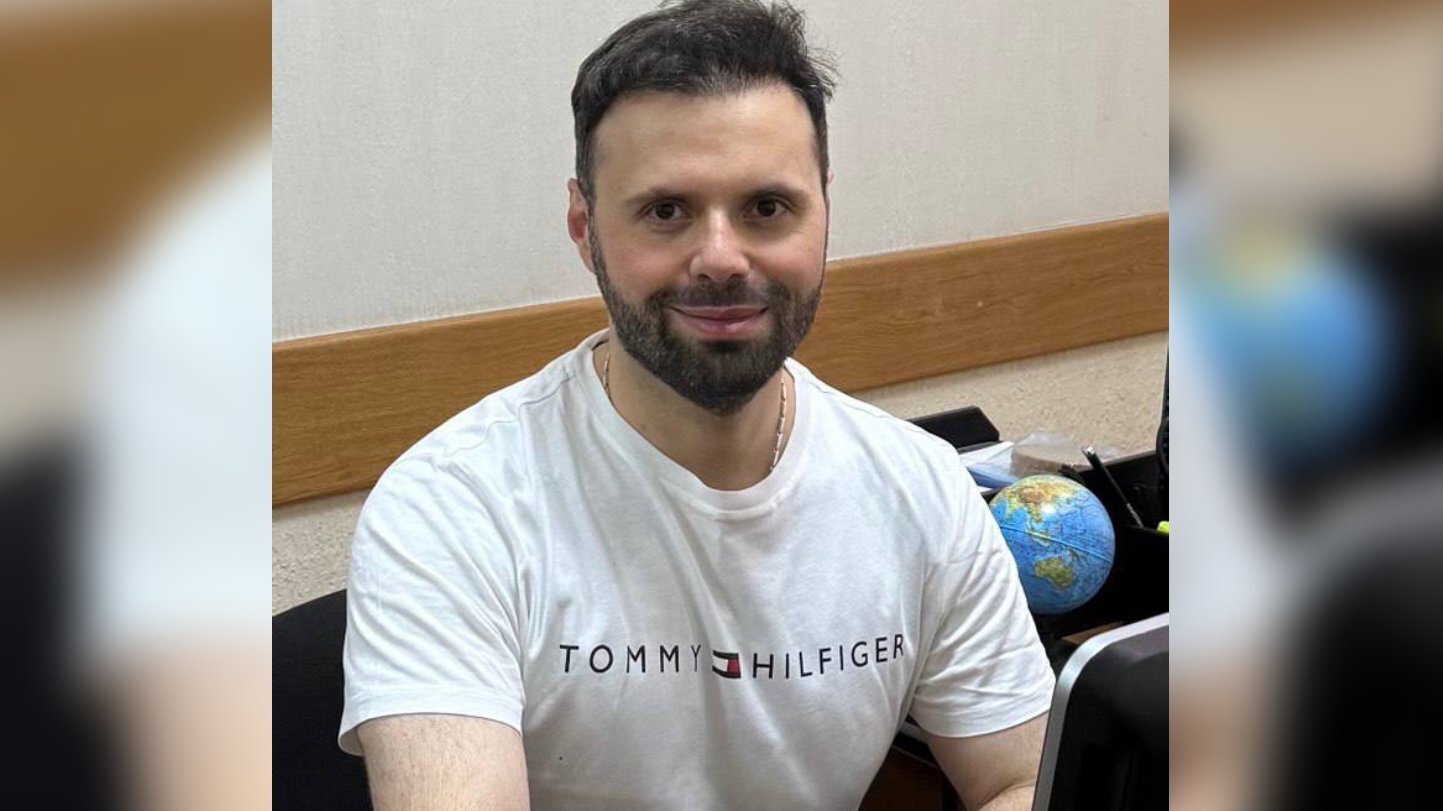
Tigran Kazaryan: “Strong sales are managed energy, not random talent”
In the business world, charisma is still often overrated, while structure is underestimated. Meanwhile, sustainable company growth is usually driven not by luck or individual stars, but by a well-designed decision-making system. This is especially evident in sales — a field where results directly depend on the quality of thinking.
Tigran Kazaryan has worked in sales for more than two decades. Having started trading as a teenager, he progressed from personal deals to managing large commercial structures and scaling businesses multiple times over. Today he combines entrepreneurship, developing his own company with multiple-fold annual growth, and consulting sales teams as a business trainer and mentor. This conversation is less about numbers and more about the principles that make those numbers possible.
If you look at the market today, what do you consider the biggest misconception about sales?
— That sales are merely a function of the sales department. In reality, sales are a reflection of the entire company. It’s impossible to build a strong commercial model if the product is unstable, logistics fail to meet deadlines, and management doesn’t understand the development strategy. Sales are the final stage of the value chain. And if there’s a break somewhere in that chain, no amount of skill from a manager will compensate for it. That’s why I always tell business owners: if you want growth, look beyond the department’s plan.
You scaled a company’s turnover from hundreds of millions to billions. What was the key management decision during that period?
— The shift from a reactive model to a proactive one. Up to a certain point, the company was responding to incoming demand. We restructured our logic: we began forecasting the market, working strategically with large clients, and building long-term relationships. This changed the quality of deals. When you’re not working for a one-off sale but for partnership, both your negotiating position and the level of trust change.
What distinguishes a head of sales from a leader of a commercial system?
— A manager can manage people and plans. A leader shapes culture. These are different levels. Culture is how employees make decisions in the absence of control. If a team understands values, priorities, and standards, it doesn’t need constant supervision. That’s what creates sustainability.
Your own company shows annual growth of over 200 percent. How do you avoid the illusion that rapid growth is always success?
— Very simply: you need to measure not only revenue, but also the quality of profit. Rapid growth is dangerous if it isn’t supported by processes. I always look at deal structure, accounts receivable, and team workload. If growth destroys the system, it’s not development — it’s overheating. In business, it’s important to know when to slow down so you can move forward consciously later.
You actively consult large companies. How has executives’ thinking changed in recent years?
— It has become more pragmatic. There are fewer illusions and more competition. Executives increasingly understand that sales are not just “more calls.” They are analytics, segmentation, funnel management, and KPI control. At the same time, the human factor remains: many still underestimate the role of motivation and internal atmosphere within the team.

Can we say that today a salesperson is no longer just a “negotiator,” but an analyst?
— Absolutely. A good salesperson must understand the market, the numbers, and the client’s structure. They must see the economics of a deal, not just its formal side. Otherwise, they become an executor rather than a partner to the client. Today’s market values depth of understanding.
You work as a mentor for managers and executives. What most often prevents people from reaching the next level?
— Limiting beliefs. Some are convinced that “this market doesn’t grow,” others believe that “large clients are inaccessible.” Such mindsets shape behavior. When a person changes their way of thinking, results change as well. That’s why in my work I focus not only on tools, but also on internal attitudes.
How do you assess the role of discipline in sales?
— Discipline is the foundation. You can be charismatic, talented, and persuasive, but without systematic work your results will be unstable. Consistency of actions, performance analysis, and strategy adjustment — the boring part of the profession — is exactly what brings money.
Is there a universal principle that you consider essential for any business?
— Transparency of processes. When an owner understands where clients come from, how much acquisition costs, and what the conversion is at each stage, they are in control of the situation. When this understanding is absent, the company operates on intuition. And intuition is only good as a complement to numbers.
Speaking about the future of the profession, which skills will become key in the coming years?
— A combination of analytical thinking and emotional intelligence. Automation will continue to grow, and some routine tasks will disappear. But the ability to build trust, understand a client’s motivation, and make strategic decisions will remain in demand. Sales will become more intellectual.
What personally serves as your measure of success today?
— Not revenue and not scale. What matters to me is that the system works without my constant involvement. If the team is capable of making decisions, developing, and maintaining a high level of quality, then the work is structured correctly. That is how I define business maturity.