Khaby Lame’s $6.6 Billion Payday Is Raising Major Red Flags
The exposure did not arrive quietly. Within days of a headline-grabbing deal that briefly placed a $6.6 billion valuation on TikTok star Khaby Lame’s stake, the structure behind that number began attracting pointed questions.
A sudden surge in market value was followed by a sharp pullback, an auditor resignation, and a widening debate over how much of the company’s apparent worth was real, reachable, or simply theoretical.
What makes the moment resonate is not just the scale of the numbers involved, but how quickly uncertainty replaced confidence.
Rich Sparkle Holdings, the newly public company that acquired Lame’s entity in an all-stock transaction, saw its market capitalization balloon and then retreat in a matter of days.
The exposure is already public, the scrutiny active, and the reputational stakes unresolved.
Where the Valuation Began to Fracture

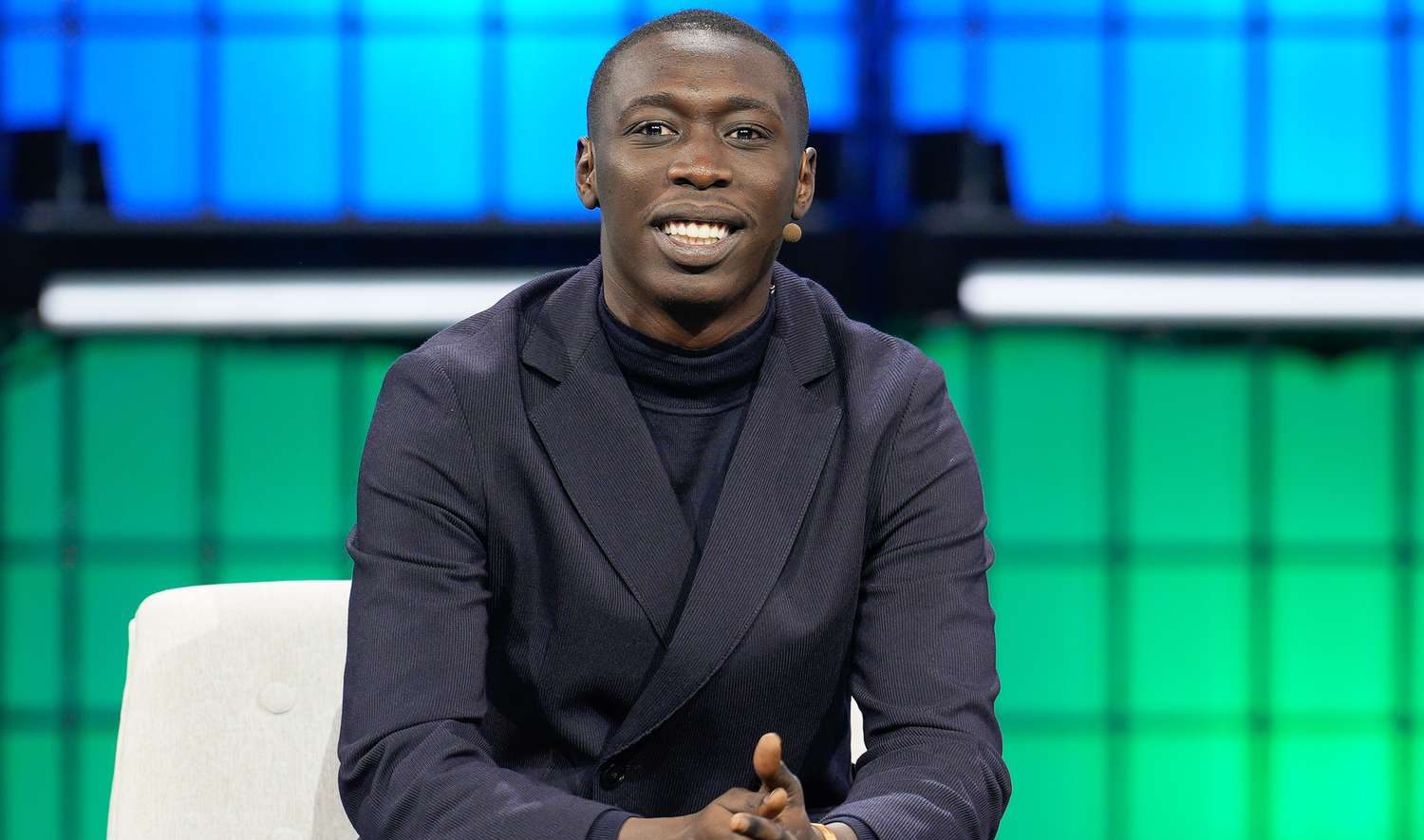
Meet Khaby Lame, the new most popular person on TikTok
At the center of the attention is not an earnings miss or a failed product launch, but a governance question that surfaced after the deal was announced.
Rich Sparkle disclosed the acquisition of Step Distinctive Limited, a company tied to Lame’s brand and likeness, positioning the creator as a controlling shareholder and central commercial asset.
Almost immediately, analysts and securities attorneys began questioning how the valuation was constructed and what, if anything, supported it beyond market momentum.
The concern is structural rather than personal. Rich Sparkle had only recently gone public, reporting limited revenue and operating in a business line far removed from global influencer monetization.
Its abrupt pivot toward building a commercialization platform around Lame — including plans to replicate his likeness through an AI digital twin — raised questions about whether oversight kept pace with ambition.
The Exposure Signals Now in Plain View
As scrutiny widened, several pressure points surfaced in quick succession:
-
the company’s independent auditor resigned “effective immediately”
-
confirmation filings tied to the transaction were absent or delayed
-
ownership structures surrounding key entities remained opaque
-
valuation appeared heavily dependent on brand likeness rather than operating fundamentals
-
the company’s market capitalization reversed sharply within days
None of these elements alone define failure. Together, they created visibility — and visibility is often where accountability begins.
Why Responsibility Doesn’t Land Cleanly
This is where exposure reaches the top. While Lame is not accused of wrongdoing, the deal relies heavily on his image, reach, and credibility.
When valuation, disclosure, or governance gaps appear in that context, responsibility does not remain confined to filings or intermediaries.
It travels upward, attaching itself to the figure whose visibility made the structure viable in the first place.
The reputational pressure here is positional rather than emotional. Lame’s public identity has been built on clarity and simplicity — an almost wordless critique of unnecessary complexity.
The contrast between that persona and the opaque mechanics of a multibillion-dollar market structure is difficult to ignore.
Trust erosion does not require intent; it only requires unanswered questions to linger.
A Familiar Pattern, With an Unsettled Ending
What complicates accountability is how fragmented it appears.
Rich Sparkle is a Hong Kong-based issuer with limited disclosure obligations. The underwriting firm has prior associations with volatile listings.
Lame’s holding company was incorporated months before the IPO, while other shareholders remain largely unidentified. Each component can plausibly point elsewhere when scrutiny intensifies.
This is not an isolated case. Similar episodes involving thinly traded stocks, celebrity-linked valuations, and rapid capitalization swings have drawn attention in recent years.
In each instance, exposure arrived before enforcement, and reputational damage preceded any formal resolution. The pattern is familiar enough that observers now recognize the shape of the risk even when facts remain incomplete.
The unresolved tension sits between reach and responsibility. Public figures are increasingly embedded in corporate structures that move faster than governance frameworks were designed to manage. The upside is immediate and visible.
The downside emerges later, often through questions rather than conclusions.
What happens next is less about prediction than direction. Regulators may seek clarity. Investors may press for disclosure.
Other companies considering similar arrangements are almost certainly watching how scrutiny unfolds. Even without enforcement action, reputational repair tends to move slower than market enthusiasm.
For now, the exposure remains open-ended. A valuation once celebrated is being re-examined. Oversight gaps have been noticed. Accountability remains diffuse. When responsibility is unclear, confidence is usually the first thing to thin — quietly, before anything officially breaks.