Kyril Louis-Dreyfus: The Heir Redefining Modern Football Ownership
Current Titles
-
Chairman and Majority Owner, Sunderland AFC
-
Principal Investor, Sunderland AFC ownership group
-
Member of the Louis-Dreyfus business family
A Young Chairman in a Premier League Business
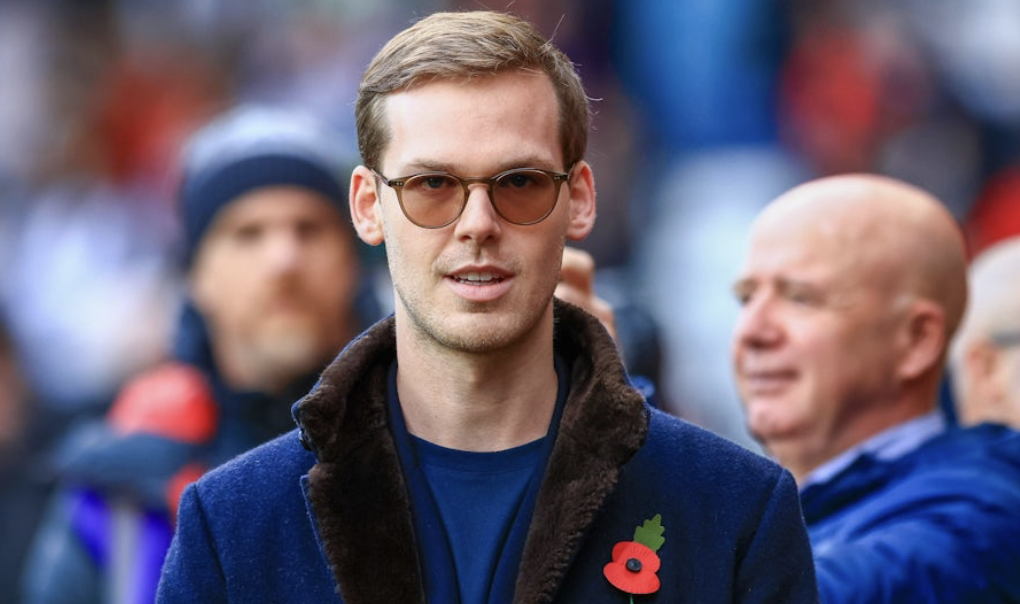
When Sunderland returned to the Premier League, it marked more than a sporting revival. It represented the arrival of one of the youngest and most closely watched owners in English football. Kyril Louis-Dreyfus, still in his twenties, now oversees a club competing in the world’s most commercially powerful football league—a position that places him at the intersection of elite sport, global finance, and long-term asset stewardship.
In an era where Premier League ownership is dominated by sovereign wealth funds, private equity consortia, and American institutional capital, Louis-Dreyfus stands out. He is not a financial engineer parachuted in for yield, nor a political actor seeking influence through sport. Instead, he represents a newer archetype: the inheritor-operator, combining generational capital with hands-on governance and a willingness to grow into the role in public view.
A Dynasty Built Long Before Football
To understand Kyril Louis-Dreyfus’ position in the game, it is necessary to understand the scale and nature of the family enterprise behind him. The Louis-Dreyfus name traces back to the mid-19th century, when the family established what would become one of the world’s most influential commodity trading groups. Over decades, the business expanded across agriculture, shipping, energy, logistics, and finance, operating quietly but decisively across global markets.
Unlike many modern fortunes built on technology or speculation, the Louis-Dreyfus empire was constructed on infrastructure, supply chains, and trade flows—the unglamorous but indispensable arteries of the global economy. That background matters. It shapes not just the scale of the wealth involved, but the mindset behind it: long horizons, risk management, and an emphasis on operational control.
Kyril’s father, Robert Louis-Dreyfus, brought football into the family narrative when he acquired Olympique de Marseille. His ownership period demonstrated how strategic leadership and investment discipline could restore a historic club’s competitive standing. After Robert’s death, Kyril’s mother, Margarita Louis-Dreyfus, assumed leadership of the family’s commercial interests, becoming one of Europe’s most powerful business figures in her own right.
Kyril grew up inside this environment—where capital was not simply inherited, but managed, defended, and deployed with care.
From Heir to Chairman
Kyril Louis-Dreyfus did not rush into football ownership. His move into the game came early in age, but not impulsively in execution. In 2021, he acquired a significant stake in Sunderland AFC, then competing outside the Premier League and searching for stability after years of turbulence. At just 23, he became the youngest chairman in English football history.
The appointment drew skepticism. Age, wealth, and football ownership are rarely a comfortable combination in the public imagination. But Louis-Dreyfus approached the role with a low-ego profile. He avoided grandstanding, delegated operational responsibilities carefully, and emphasized rebuilding trust—inside the club and with its supporter base.
Within two years, he increased his ownership stake, consolidating control and signaling long-term commitment rather than speculative interest. Promotion followed. First came competitive credibility, then structural repair, and eventually a return to the Premier League.
The speed of the ascent was notable. The method was more important.
Ownership Philosophy: Control Without Excess
Louis-Dreyfus’ approach to football ownership reflects the principles of his family’s broader business culture. Sunderland under his leadership has not been defined by reckless spending or attention-grabbing transfer splurges. Instead, the focus has been on balance: wage discipline, investment in recruitment systems, and gradual squad development aligned with financial sustainability.
This philosophy matters most in the Premier League, where broadcast wealth has inflated costs and distorted incentives. Many clubs operate permanently on the edge of regulatory limits. Sunderland’s model, by contrast, has prioritized resilience over volatility. The club’s spending has been purposeful rather than performative.
Louis-Dreyfus has shown comfort operating within financial rules and regulatory frameworks—unsurprising given his exposure to heavily regulated global industries from a young age. For him, compliance is not a constraint; it is part of the competitive landscape.
Wealth, Access, and Responsibility
Questions around Louis-Dreyfus’ wealth are unavoidable. He is widely reported to be a beneficiary of a multi-billion-pound family fortune, though the precise structure of trusts and holdings remains private. What is clear is that he has access to capital far beyond the reach of most football owners his age.
Yet access does not automatically translate into spending. Unlike leveraged buyout models or debt-driven ownership structures, Sunderland under Louis-Dreyfus has not relied on excessive borrowing. The club’s financial posture reflects capital security rather than capital stress.
This distinction separates Louis-Dreyfus from both traditional local benefactors and modern financial investors. He does not need the club to generate immediate returns, nor does he need it to justify itself as a financial instrument. That freedom allows for patience—a scarce commodity in elite football.
Leadership Style and Public Presence
Despite his youth, Louis-Dreyfus has adopted a restrained public persona. He communicates selectively, avoids confrontational media strategies, and rarely inserts himself into football’s constant cycle of controversy. When he speaks, the emphasis is typically on structure, process, and long-term goals rather than emotion or ideology.
This has helped stabilize Sunderland’s governance culture after years of upheaval. Internally, decision-making authority is clear. Externally, expectations are managed. The club is positioned as ambitious, but not desperate.
Louis-Dreyfus’ leadership style reflects an understanding that credibility in football ownership is earned incrementally. Results matter, but so does consistency.
The Premier League as a Long-Term Asset
For Louis-Dreyfus, Premier League ownership is not merely a sporting achievement. It is an asset class with global relevance. The league’s commercial reach, media footprint, and brand power rival those of multinational corporations. Owning a Premier League club provides exposure, influence, and optionality that extends far beyond matchday revenue.
Sunderland’s return to the top flight places the club—and its owner—within a global ecosystem of broadcasters, sponsors, investors, and regulators. Navigating that environment requires sophistication, not spectacle. Louis-Dreyfus appears well suited to the task.
A New Generation of Football Ownership
Kyril Louis-Dreyfus represents a transition point in football governance. He is neither a traditional local magnate nor a distant institutional investor. He is part of a new generation of owners shaped by inherited capital but defined by operational accountability.
His challenge now is sustainability. Staying in the Premier League demands adaptability, strategic clarity, and continued restraint in a league that rewards excess. Early indicators suggest he understands the scale of that task.
Whether Sunderland becomes a long-term Premier League fixture or not, Louis-Dreyfus has already established himself as a serious operator. In modern football, that may be the most valuable asset of all.