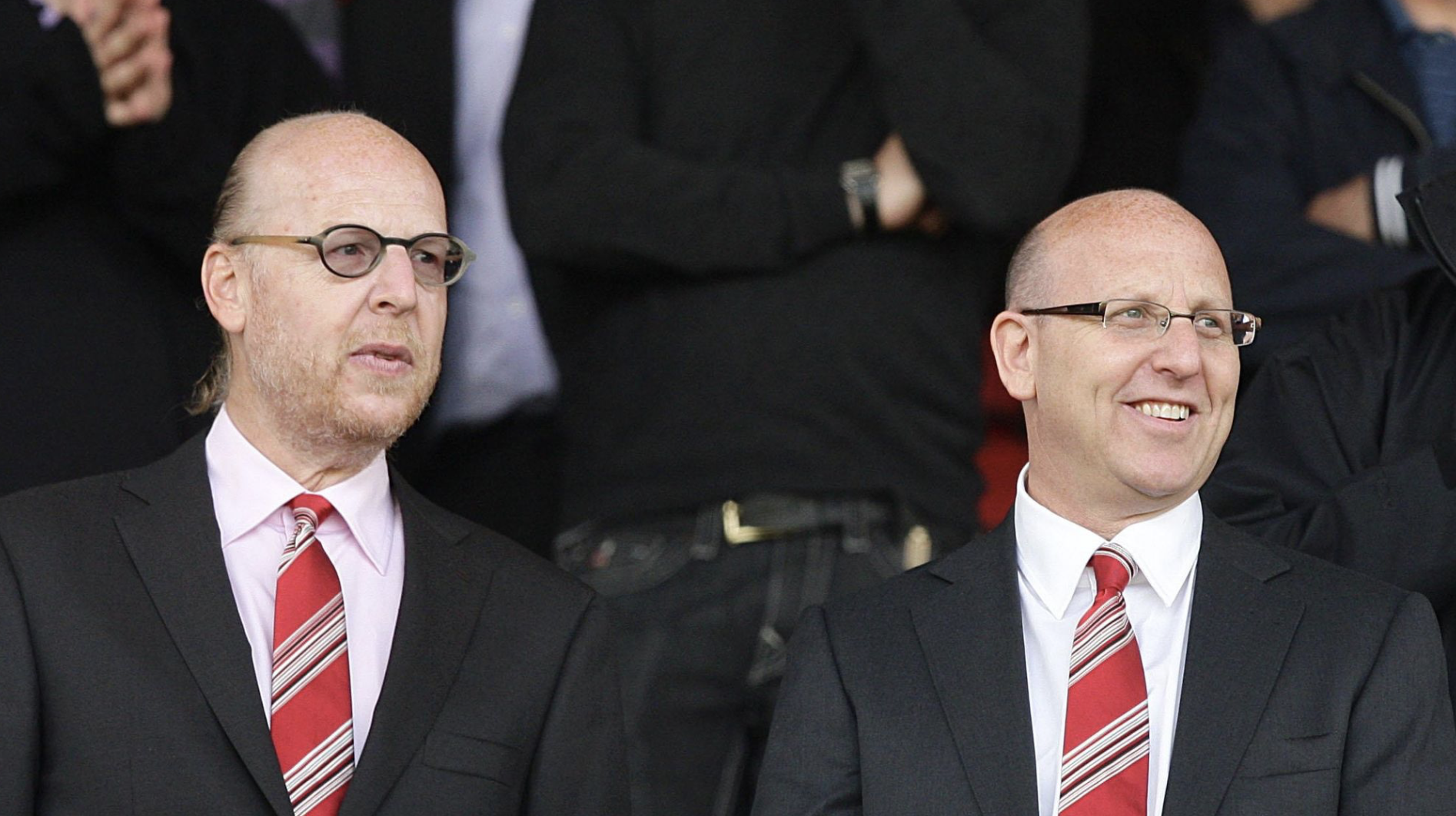
The Glazer Family: Wealth, Power, and the Business of Manchester United
Origins of the Glazer Fortune: From Small Enterprise to Asset Control
The Glazer family are best known internationally as the owners of Manchester United, one of the Premier League’s most valuable and influential clubs. Their takeover of the club in 2005 did more than change ownership at Old Trafford — it reshaped how elite English football could be financed, governed, and commercialised. By importing a distinctly American, leverage-driven ownership model into the Premier League, the Glazers became central figures in debates around debt, foreign ownership, and the role of football clubs as global entertainment assets.
Long before their arrival in English football, however, the Glazers had built a substantial fortune in the United States through real estate, diversified holdings, and professional sports ownership. Their rise was not driven by innovation or celebrity, but by patience, asset control, and an unyielding focus on long-term cash flow.
Entering Professional Sports: Tampa Bay Buccaneers as the Blueprint
The Glazer family’s first major sports acquisition came in 1995, when Malcolm Glazer purchased the Tampa Bay Buccaneers of the NFL. At the time, the franchise was struggling competitively and commercially, but it sat in a rapidly expanding media ecosystem.
Under Glazer ownership, the Buccaneers benefited from:
-
Stadium development
-
Brand repositioning
-
Long-term broadcast revenue growth
The team’s Super Bowl victory in 2002 validated the investment and demonstrated that sports franchises could function as both competitive entities and appreciating financial instruments. This experience provided a template for future acquisitions—most notably in European football.
The Manchester United Takeover: Leverage, Controversy, and Control
The Glazer family’s acquisition of Manchester United in 2005 remains one of the most consequential ownership changes in football history.
Rather than a traditional cash purchase, the deal was structured as a leveraged buyout, with significant debt secured against the club’s assets and future revenue. From a financial standpoint, this mirrored private equity practices common in corporate acquisitions. From a football perspective, it was unprecedented at that scale.
The implications were immediate:
-
Manchester United became privately owned
-
The club assumed responsibility for servicing acquisition debt
-
Fan opposition intensified, with protests becoming a permanent feature of the Glazer era
Yet commercially, United continued to grow. Global sponsorships, merchandising, and broadcast deals positioned the club as one of the highest-revenue sports organisations in the world, regardless of on-field fluctuations.
Who Are the Glazers? Family Members Behind the Empire
Following Malcolm Glazer’s death in 2014, control passed to his six children, each playing distinct roles across the family’s portfolio.
Key Family Figures
-
Joel Glazer – Co-chairman of Manchester United and the Tampa Bay Buccaneers; central to strategic decision-making
-
Avram Glazer – Co-chairman of Manchester United; heavily involved in commercial strategy and global partnerships
-
Bryan Glazer – Co-owner of the Buccaneers; active in NFL governance and stadium projects
-
Edward Glazer – Oversees real estate interests and investment strategy
-
Kevin Glazer – Runs Glazer Properties, the family’s real estate arm
-
Darcie Glazer Kassewitz – Leads philanthropic initiatives and serves as Buccaneers Foundation chair
This shared structure ensures continuity while insulating the family from reliance on any single decision-maker.
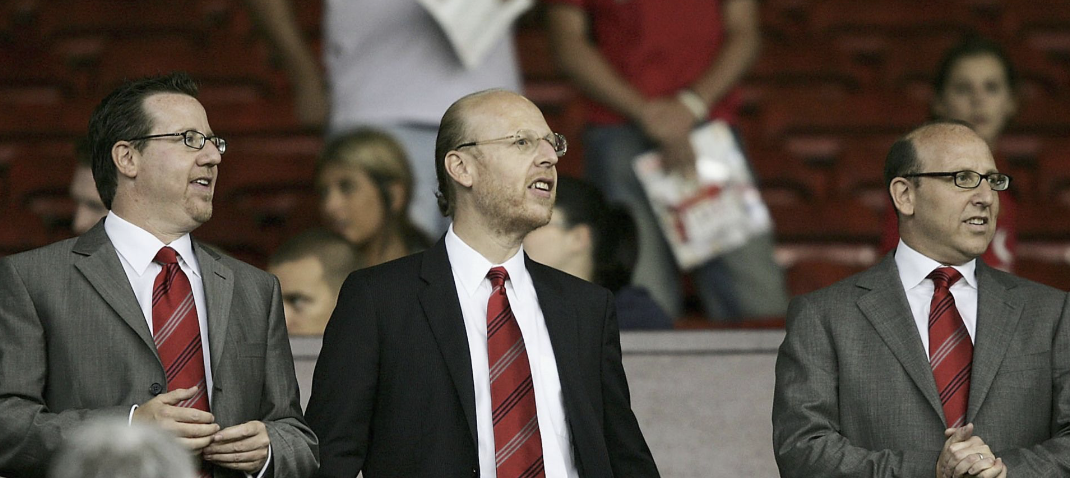
Joel Glazer (L) Avram Glazer (M) and Bryan Glazer (R)
How the Glazers Make Money From Manchester United
Contrary to popular belief, the Glazers do not rely solely on matchday success.
Manchester United generates income through:
-
Global sponsorship and licensing agreements
-
Broadcasting rights
-
Commercial tours and digital media
-
Merchandise and brand partnerships
The club’s scale allows it to operate as a global entertainment brand, not merely a football team. Even during periods of poor sporting performance, the underlying commercial machine has remained resilient.
This explains why the Glazers have historically prioritised revenue stability over aggressive sporting expenditure—a philosophy that has divided opinion but preserved asset value.
The Premier League Context: Ownership Models Under Pressure
The Glazer era coincided with the Premier League’s transformation into a global media product. As broadcasting revenues soared, so too did scrutiny of ownership models.
Compared with state-backed or billionaire-funded rivals, the Glazers represent a financially disciplined, debt-aware ownership structure. That model now faces new challenges:
-
Financial sustainability regulations
-
Increased fan activism
-
Minority ownership arrangements, such as INEOS’ stake in football operations
The partial sale to Sir Jim Ratcliffe reflects a pragmatic evolution rather than an exit—allowing operational reform while preserving long-term ownership value.
Net Worth and Asset Valuation
The Glazer family’s collective net worth is estimated in the multi-billion-dollar range, with valuations tied closely to:
-
Manchester United’s enterprise value
-
The Tampa Bay Buccaneers’ franchise value
-
Real estate and private investment holdings
Importantly, much of this wealth is illiquid but appreciating, reinforcing the family’s preference for long-term ownership rather than short-term exits.
Legacy: Business Owners in an Emotional Industry
Few ownership groups have shaped modern football discourse as profoundly as the Glazers. Their tenure illustrates the tension between:
-
Football as a cultural institution
-
Football as a global business
From a financial standpoint, the Glazers executed one of the most successful sports acquisitions of the modern era. From a supporter perspective, the cost—both emotional and institutional—remains fiercely debated.
What is indisputable is their impact. The Glazer family transformed Manchester United into a privately controlled, globally monetised sports asset and permanently altered conversations around debt, governance, and ownership ethics in football.