
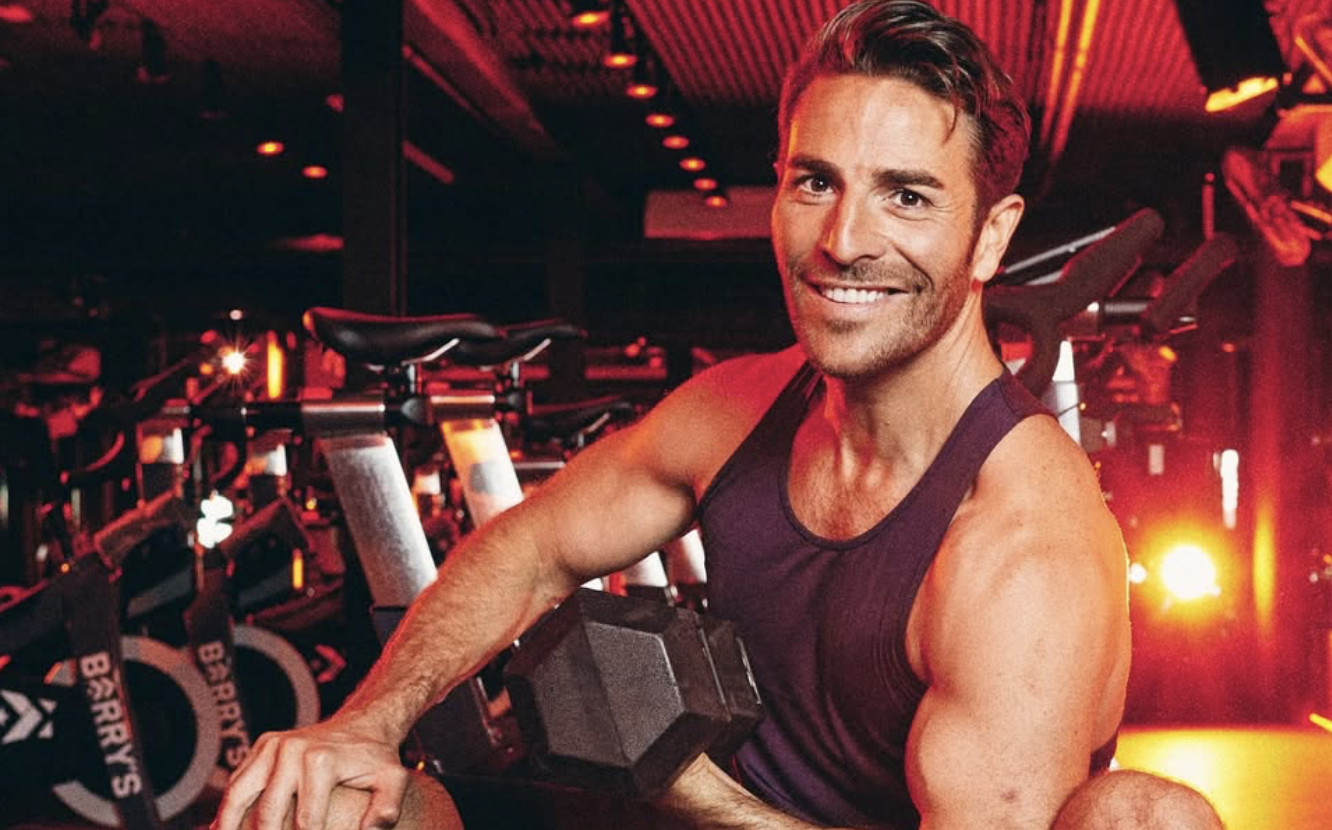
Barry’s CEO Redefines Talent Discovery in a Competitive Market
The Founder as Talent Architect
In 2026, executive leadership pipelines are no longer strictly linear. Joey Gonzalez, cofounder and CEO of Barry’s, has redefined how companies identify, vet, and onboard senior talent. What might appear as informal—engaging candidates via cold emails or LinkedIn messages—is actually a deliberate, founder-led talent strategy. Gonzalez evaluates potential leaders not only on experience, but on cultural fit, operational understanding, and alignment with Barry’s brand ethos.
This approach shifts the locus of power in executive hiring. Influence moves from HR departments, search firms, and hierarchical promotions to leaders who actively curate their own candidate networks. Gonzalez is the architect of this system: he absorbs the risk of every hire, owning both successes and failures. For investors and boards, this visibility signals adaptability, responsiveness, and strategic foresight.
At the same time, founder-led pipelines carry reputational exposure. If a cold-outreach hire underperforms, the scrutiny lands directly on Gonzalez’s judgment. This is a calculated trade-off, reflecting a broader 2026 trend: in a labor-scarce market accelerated by the “Revenge Quitting” phenomenon, speed and cultural alignment are worth higher risk than traditional pedigree alone.
Accelerating Decision-Making Under Market Pressure
Traditional executive succession planning is deliberate and slow, relying on formal internal promotions and structured searches. In Barry’s model, the CEO compresses this cycle by evaluating talent in real-time, often before competitors even know these candidates exist.
| Old Leadership Logic | 2026 Decision Reality |
|---|---|
| Executive talent sourced via HR or external agencies | Founder evaluates candidates from cold outreach, online networks, and community engagement |
| Board approval follows formal vetting | Gonzalez integrates assessment and board consultation in parallel |
| Pipeline measured by tenure, title, or prior industry experience | Pipeline measured by culture fit, brand alignment, and growth potential |
This approach reflects the commercial and reputational pressures Barry’s faces as a consumer-facing, rapidly scaling brand. The CEO must balance operational urgency with governance oversight. Each decision about hiring a senior executive triggers multiple second-order effects: team cohesion, investor confidence, and market perception. Gonzalez’s willingness to operate under compressed timelines signals leadership agility and a capacity to adapt to volatile market conditions.
Building a Cultural Talent Ecosystem
Barry’s executive strategy also leverages its position as a consumer-facing brand to cultivate a self-reinforcing talent ecosystem. Clients, community members, and employees become potential leadership candidates. This blurred boundary between customer and executive allows the company to identify leaders who are inherently aligned with brand values, and who understand customer expectations from day one.
Cold outreach functions as a discovery tool. Candidates who might be overlooked in traditional pipelines — whether due to unconventional backgrounds, gaps in resumes, or nontraditional career paths — are now evaluated for their passion, insight, and strategic potential.
Investors and boards respond favorably to this approach. When Barry’s CEO appointed a successor via cold outreach, the market interpreted it as a signal of innovative governance and talent agility. Competitors have started experimenting with similar pipelines, but few can replicate Gonzalez’s combination of brand authority, speed, and personal judgment.
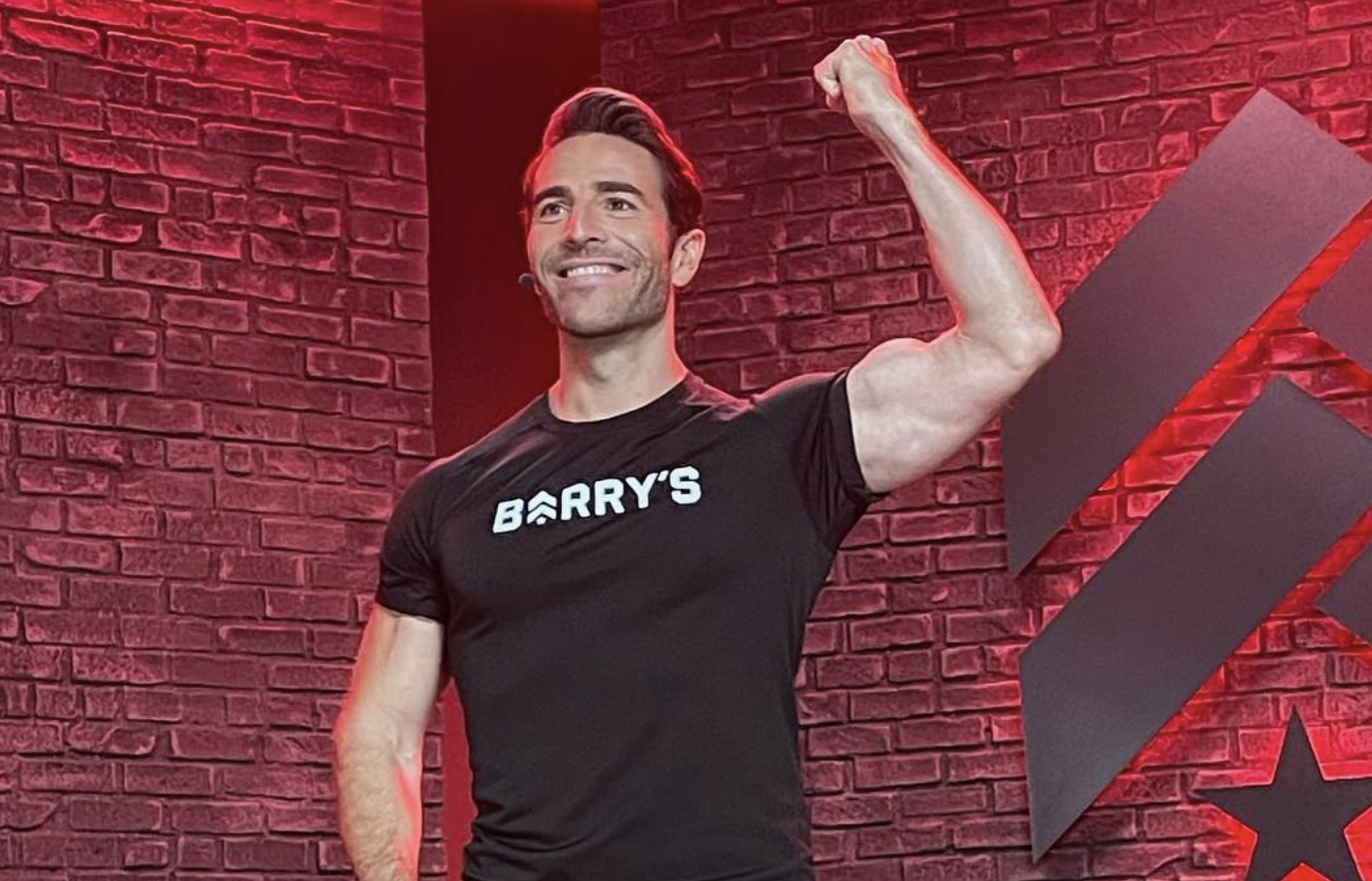
Joey Gonzalez, Barry's CE0
Operational Chokepoints and Market Signals
Barry’s leadership strategy intersects with multiple high-impact entities that collectively shape its talent outcomes and valuation:
-
LinkedIn and professional networks – primary channels for cold outreach.
-
Board of Directors – responsible for oversight and strategic alignment.
-
Investors (BlackRock, Wellington, State Street) – evaluate leadership credibility and succession stability.
-
Competitor fitness and lifestyle brands – benchmark leadership innovation.
-
Executive search firms – provide supplementary candidate insights.
-
AI-driven HR analytics platforms – augment data, not judgment.
-
Client advisory panels – indirectly validate cultural alignment.
-
Private equity stakeholders – assess leadership impact on growth and valuation.
-
Media and press coverage – shape public perception of the executive team.
-
Internal teams – their response reflects early adoption of cultural norms.
Every hire Gonzalez approves directly influences market perception, brand reputation, and investor confidence. The current CEO’s appointment, emerging from unsolicited outreach, served as a visible signal of leadership innovation. Teams internalize the message that initiative, cultural alignment, and performance can supersede traditional hierarchy, reinforcing Barry’s culture of agility and accountability.
Strategic Risks and Governance Oversight
Founder-led succession, while innovative, requires careful governance. Boards must evaluate:
-
Are pipelines documented and defensible?
-
Are decision-making criteria clear to investors and stakeholders?
-
Is there balance between speed and accountability?
The risk is reputational and operational. Misalignment between hires and culture can erode performance, destabilize morale, or trigger investor skepticism. Gonzalez mitigates this by combining direct oversight with board consultation, ensuring that unconventional hires do not bypass governance entirely.
In 2026, firms facing talent scarcity, labor disruption, and investor scrutiny must consider similar trade-offs. Founder-led evaluation may accelerate decision-making, but boards and investors must frame it as a strategic asset rather than a governance gap.
Lessons for the Modern Executive
Barry’s model underscores three lessons for leaders in fast-moving, talent-intensive sectors:
-
Founder engagement is a strategic tool: Personal judgment in talent evaluation can accelerate onboarding and align leadership with brand culture.
-
Nontraditional sourcing expands the talent pool: Candidates discovered outside conventional channels may bring unique insights, operational expertise, and market understanding.
-
Cultural alignment drives investor confidence: Investors increasingly reward firms that demonstrate leadership agility and responsiveness to talent scarcity.
The combination of founder-led decision-making, rapid evaluation, and cultural curation is not a workaround; it is a competitive advantage. Barry’s shows that talent pipelines can be strategically flexible, high-signal, and culturally cohesive, even in a volatile market environment.
People Also Ask
Q1: How do founders influence executive succession at Barry’s?
A: Founders like Joey Gonzalez curate talent pipelines personally, evaluating candidates for culture fit, operational ability, and brand alignment before board approval.
Q2: Can cold outreach identify effective C-suite talent?
A: Yes. Cold emails and LinkedIn messages can surface high-potential leaders who are passionate, aligned with culture, and otherwise outside traditional search channels.