The Embrace and the Business of Civic Authority on MLK Day
On Martin Luther King Jr. Day, most institutions default to remembrance.
A speech. A wreath. A familiar quotation.
But in Boston, the conversation has shifted. The city’s most visible MLK monument, The Embrace, is no longer treated as a static tribute. It has become a case study in how civic authority is exercised, contested, and sustained in a polarized environment. For business leaders watching from outside the nonprofit or cultural sector, the lesson is not about art. It is about governance under public scrutiny.
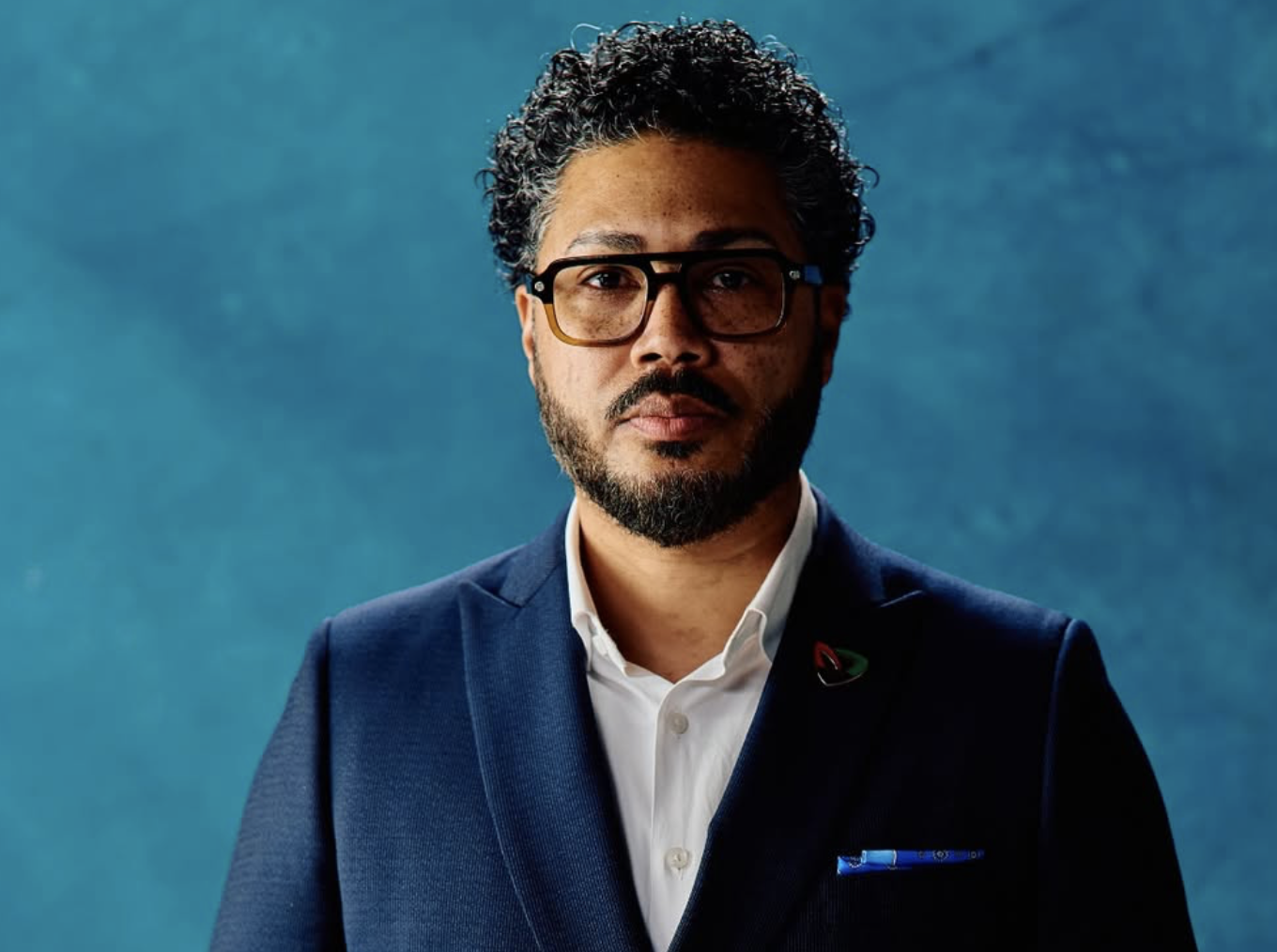
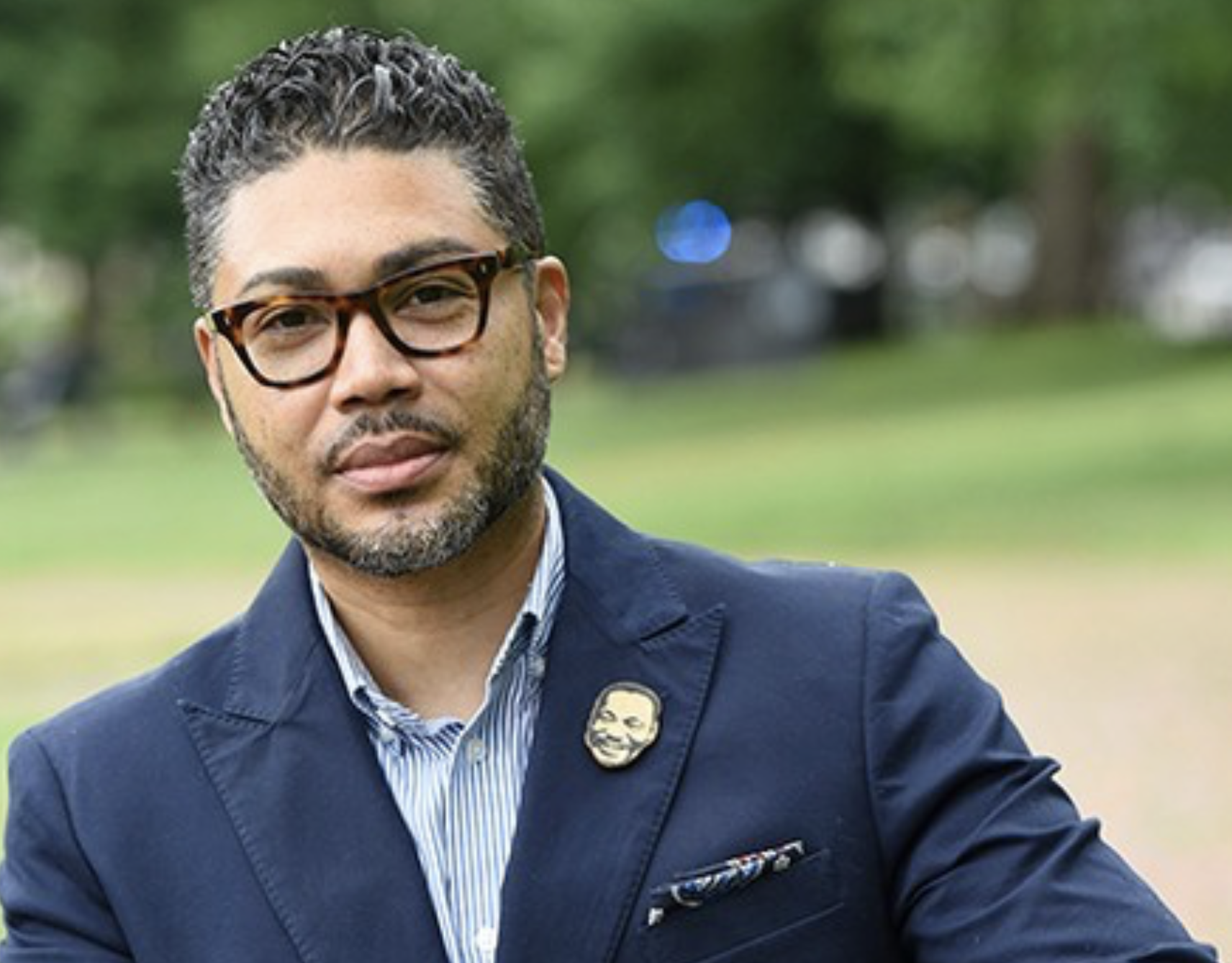
Imari Paris Jeffries, president and CEO of Embrace Boston, has emerged as a central figure in this shift. Not because he holds elected office, and not because he controls capital at scale, but because he operates at a junction many executives increasingly recognize: where legitimacy, public trust, and institutional credibility converge. In an era where reputational risk can move faster than formal regulation, that junction matters.
MLK Day, in this context, is not a ceremonial pause. It is an operational stress test.
A Monument Built for Scrutiny, Not Consensus
When The Embrace was unveiled on Boston Common, reactions were immediate and divided. Some praised its abstraction and emotional resonance. Others questioned its form, its symbolism, or its departure from traditional figurative monuments. Jeffries has never denied that response. He has leaned into it.
In interviews, including his recent reflection with NBC Boston, Jeffries has been clear: monuments are not finished products. They evolve. They absorb meaning over time. They provoke before they settle. He has compared the trajectory of The Embrace to other public works that were initially criticized and later normalized, even embraced, by the communities they inhabit.
That framing is not accidental. It reflects a broader leadership posture that business readers will recognize. The goal is not to eliminate friction. It is to manage it without losing institutional footing.
Unlike legacy statues designed to project authority from a distance, The Embrace invites physical and emotional proximity. Visitors walk inside it. They photograph themselves within it. They argue about it in public forums. From a governance perspective, this design choice matters. It converts passive audiences into active stakeholders, whether supportive or critical.
That dynamic mirrors what many corporations now face. Brand narratives no longer flow in one direction. Stakeholders step inside them, reshape them, and test their boundaries in real time.
MLK Day as an Operating Environment
Martin Luther King Jr. Day magnifies these dynamics. It is one of the few moments each year when moral language, civic memory, and institutional accountability collide in public view. For Embrace Boston, that means heightened visibility. For Jeffries, it means leadership under compression.
Rather than using the holiday to freeze the narrative, Jeffries has used it to extend it. His public remarks emphasize that King’s legacy is not about comfort or consensus, but about disciplined tension in pursuit of justice. In that sense, The Embrace is not a conclusion. It is an invitation to unfinished work.
This approach aligns with themes Jeffries has articulated in other settings, including his remarks documented in the Boston Foundation’s annual report transcript. There, he speaks about equity as a structural challenge, not a symbolic one, and about leadership as a responsibility to sustain difficult conversations rather than resolve them prematurely.
For executives accustomed to quarterly rhythms, this is a different tempo. Civic trust compounds slowly. It also erodes quickly.
Imari Paris Jeffries
From Memorialization to Institutional Infrastructure
One of the least discussed aspects of The Embrace is its setting. The sculpture anchors 1965 Freedom Plaza, which includes the engraved names of local civil rights leaders alongside national figures. This design choice reframes the monument from a singular tribute into a networked one.
That matters for governance. It distributes ownership of the narrative. It reduces the risk that the monument becomes a proxy for one interpretation of history. Instead, it situates King’s legacy within a broader civic ecosystem.
Jeffries has been explicit about this intent. The work of Embrace Boston extends beyond the sculpture itself. It includes programming, research, public dialogues, and partnerships aimed at addressing racial inequity in tangible ways. The monument functions as a physical entry point into that larger system.
For business leaders, the parallel is clear. Symbols without systems fail. Systems without symbols struggle to mobilize. The challenge is aligning the two without allowing either to dominate.
Leadership Without Formal Authority
Jeffries does not command regulatory power. He does not allocate municipal budgets. Yet his decisions influence public space, civic discourse, and institutional reputation. This is a form of authority that many CEOs increasingly encounter, especially those leading organizations with cultural, social, or environmental footprints.
In the NBC Boston interview, Jeffries reflects on criticism not as a deterrent but as data. He treats backlash as a signal to be interpreted rather than a verdict to be feared. That posture requires confidence, but also restraint. Overreaction can fracture trust. Silence can be read as indifference.
This balance is familiar to executives navigating activist shareholders, employee expectations, or public policy debates. The skill is not in winning every argument. It is in preserving the organization’s ability to operate credibly across disagreement.
MLK Day intensifies this requirement. Expectations rise. Language sharpens. Missteps linger.
The Business Case for Civic Fluency
Why should business magazines pay attention to a nonprofit leader and a public monument?
Because the conditions Jeffries operates under increasingly resemble those facing large enterprises. Stakeholder capitalism has moved from theory to pressure. Public expectations now attach not only to products and profits, but to presence, posture, and participation in civic life.
What The Embrace illustrates is that civic engagement is no longer episodic. It is continuous. It requires leaders who can interpret historical context, anticipate social response, and maintain institutional coherence under scrutiny.
Jeffries’s background, which includes military service and cross-sector leadership, informs this approach. He speaks often about resilience and trust, not as abstract values but as operational necessities. In cities like Boston — dense with history, institutions, and unresolved inequities — those necessities become visible quickly.
MLK’s Legacy as a Governance Challenge
Martin Luther King Jr. is often invoked as a unifying figure. Jeffries resists that simplification. King was polarizing in his time. His positions on economic justice, militarism, and systemic inequality generated intense opposition. Sanitizing that history weakens its relevance.
By anchoring The Embrace in an intimate moment between King and Coretta Scott King, the monument foregrounds vulnerability alongside leadership. It reframes power not as domination, but as relational endurance. That framing complicates easy narratives, and that is precisely why it unsettles some viewers.
From a leadership perspective, this is instructive. Authority that cannot tolerate discomfort rarely survives complexity.
Risk, Reputation, and Staying Power
Since its unveiling, The Embrace has remained a subject of conversation rather than fading into the urban backdrop. For Embrace Boston, that persistence carries both opportunity and risk. Sustained attention demands sustained stewardship.
Jeffries has acknowledged that monuments, like institutions, require care over time. Interpretation evolves. Context shifts. New generations bring new questions. Governance, in this sense, is not about locking meaning in place. It is about maintaining relevance without erasing origin.
Business leaders managing legacy brands face similar pressures. Heritage can anchor value or constrain it. The difference lies in whether leaders treat legacy as fixed or adaptive.
MLK Day, Revisited
On MLK Day, The Embrace becomes a focal point not because it offers easy answers, but because it resists them. Visitors arrive with expectations shaped by tradition. They encounter something that asks more of them.
Jeffries has described this as intentional. The goal is not reverence alone. It is engagement. Engagement, in turn, creates responsibility.
For executives reading this, the implication is direct. Leadership today operates in environments where meaning is co-created and contested. Control is limited. Influence is earned repeatedly. Public trust behaves less like a deposit and more like a variable interest rate.
Conclusion: Authority That Holds Under Pressure
The Embrace is not a business asset. But the leadership required to sustain it under scrutiny is increasingly relevant to business.
Imari Paris Jeffries’s work around the monument, particularly as it comes into focus each MLK Day, demonstrates a form of authority grounded in preparation, contextual intelligence, and tolerance for ambiguity. It is leadership without caricature. No heroism. No collapse. Just disciplined navigation of constraint.
In a moment when institutions of all kinds are tested by speed, polarization, and memory, that may be the most transferable lesson of all.