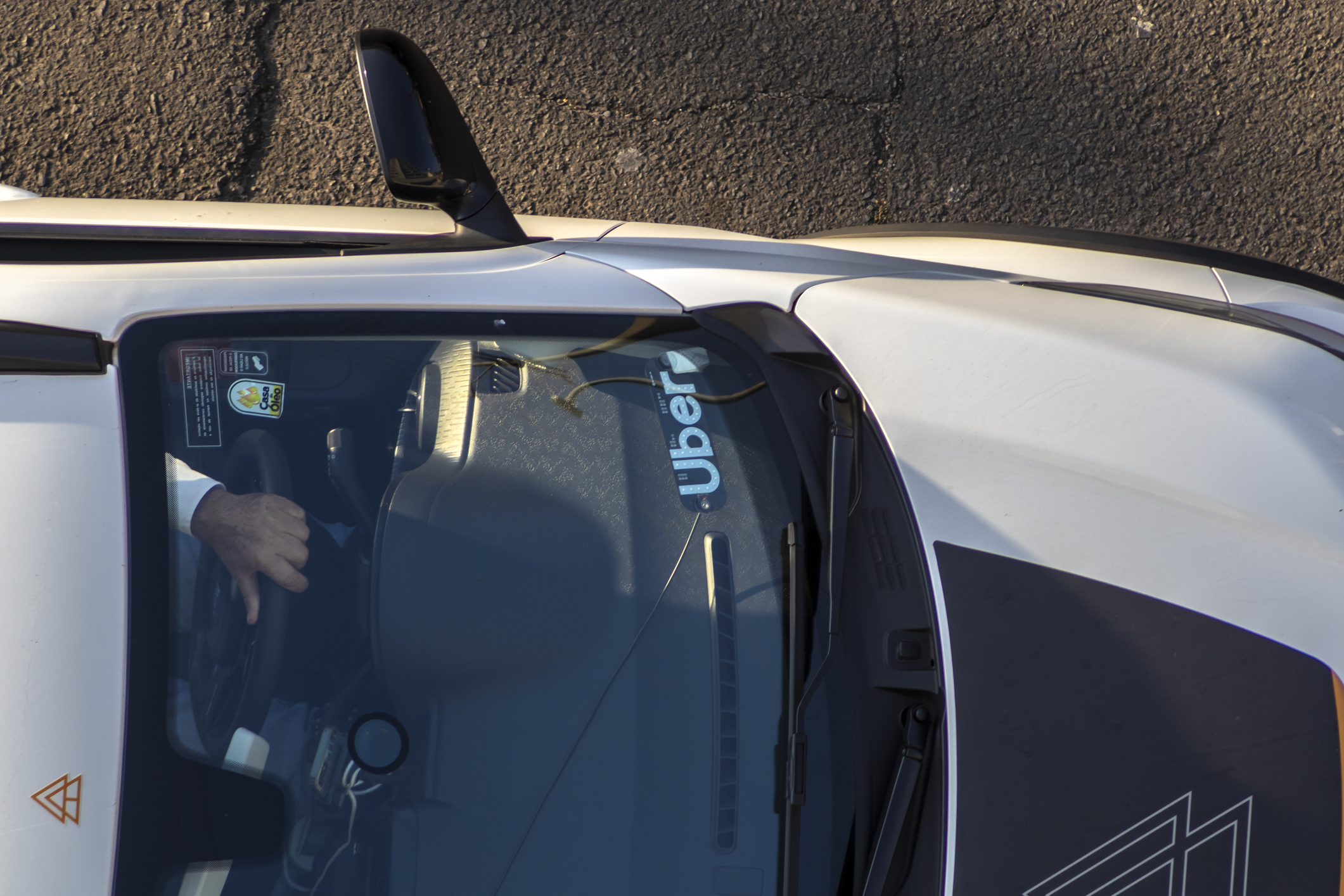
Rideshare accidents are already confusing, but they become even more complicated when the timing is “right on the edge.” Maybe the app showed the ride was complete, the passenger had just gotten out, and then the crash happened seconds later. Or the driver ended the trip early, pulled away, and immediately collided with another vehicle. In these situations, the biggest question is usually the same: Does Uber or Lyft insurance still apply if the ride technically ended?
The answer depends on what the driver was doing in the app at the exact moment of the crash, what phase of the ride they were in, and how the rideshare company categorizes that time window. A rideshare insurer may argue the driver was no longer covered under the higher commercial policy, while another insurer may try to deny responsibility altogether. That’s why working with a Chicago Uber accident attorney is often critical in “seconds before/after the ride” cases—because coverage disputes can determine whether you receive a full payout or get stuck battling multiple insurance companies.
Why The Exact App Status Matters More Than The Clock
In rideshare claims, insurance coverage is tied to app status—not just what happened in real life. That means the insurance outcome may depend on whether the driver was logged into the app, whether they had accepted a ride, whether a passenger was still in the vehicle, and whether the trip was marked complete.
Two crashes could happen at the same time and location, but coverage may be completely different if one driver had an active trip and the other had just ended theirs. That’s why insurers focus heavily on trip logs, timestamps, and driver app activity.
The Three Insurance “Phases” Uber And Lyft Use
Most rideshare cases fall into one of three general phases, and each phase impacts coverage:
Phase 1: App On, No Ride Accepted Yet
The driver is available and waiting for a trip request.
Phase 2: Ride Accepted, On The Way To Pick Up
The driver has accepted a passenger request and is traveling to the pickup location.
Phase 3: Passenger In The Car (Or Active Trip)
The passenger is inside the vehicle and the trip is in progress until the app marks it complete.
The coverage limits are typically higher in Phase 2 and Phase 3. If a crash happens seconds after the ride ended, insurers may argue the driver reverted to Phase 1 or was offline entirely—meaning less coverage may apply.
What If The Passenger Was Just Dropped Off?
A very common scenario is: the passenger exits the vehicle, the ride ends in the app, and the driver pulls away. If the crash happens immediately after that, coverage may still depend on whether the driver remained logged into the app and whether they were still in “available mode.”
Even though the passenger is no longer present, the driver may still be operating as a rideshare driver (app on, waiting for the next ride). In those cases, rideshare coverage may still apply—just possibly at a different level than during the trip.
The key is proving what the app showed at the moment of impact and whether the driver stayed active within the rideshare system.
What If The Driver Ended The Ride Early Or Incorrectly?
Sometimes drivers end trips early by mistake—or intentionally—before dropping off the passenger. In other cases, they may mark the ride complete while the passenger is still inside, especially if there’s confusion with GPS, signal issues, or app glitches.
If the ride was ended early but the passenger was still being transported, that can create a strong argument that the trip was still effectively “active,” even if the app says otherwise. Insurers may try to use the app end time as a shield, but the real-world facts can matter—especially if there’s witness proof that the passenger was still in the car or that the driver continued performing rideshare duties.
Why Insurance Companies Deny These “Seconds After” Claims
These cases are often denied or delayed because multiple insurers may point fingers:
- The rideshare insurer may claim the driver was no longer on an active trip
- The driver’s personal auto insurer may argue rideshare activity excludes coverage
- A third-party insurer may claim fault is unclear or damages are overstated
This creates a frustrating “coverage gap” scenario where everyone tries to avoid responsibility. The truth is that coverage gaps can be challenged—but it requires documentation, fast evidence preservation, and a strong understanding of rideshare policy rules.
Evidence That Can Prove Coverage Still Applies
In disputed rideshare cases, the right evidence can make or break the claim. Important proof may include:
- Trip logs and app timestamps
- Driver status history (online, available, in-ride)
- Ride receipts and passenger app screenshots
- GPS data showing route and time window
- Crash report timing compared to app ending time
- Dashcam footage or surveillance video
- Statements from passengers or witnesses
- Phone records showing app activity during the crash
Even a difference of one minute can change coverage, which is why collecting app-related evidence immediately is so important.
What If You Were A Passenger Who Was Injured After Exiting?
Some injuries happen moments after exiting the rideshare vehicle—like being struck by passing traffic while stepping out, tripping due to an unsafe drop-off location, or being hit because the driver pulled away unsafely.
These cases may still involve liability for the rideshare driver, especially if they dropped you off in an unsafe place, failed to ensure the area was clear, or stopped illegally. Coverage may also still apply depending on whether the ride had officially ended and how the injury occurred. The timing can be disputed, so documentation and witness support are essential.
When A Lawyer Helps Resolve Coverage Disputes Faster And More Fully
Rideshare claims involve layered policies and aggressive denial tactics. Insurers know that most people don’t understand rideshare insurance phases, and they use that confusion to reduce payouts. When the crash happens near the trip end time, they often push harder to shift coverage to a lower policy—or avoid coverage entirely.
A legal team can demand rideshare trip logs, obtain app data through formal channels, compare insurer statements against actual timestamps, and identify all possible policies that may apply. That work can mean the difference between a minimal settlement and full recovery that covers medical bills, lost income, long-term care, and pain and suffering.
“Seconds Before The Crash” Doesn’t Automatically Mean Coverage Is Gone
If your crash happened right after a rideshare trip, don’t assume you have no options. Insurance coverage depends on the app's status and what the driver was doing—not just on whether the ride was marked complete. Many cases may still qualify for coverage even if the trip ended just seconds before.
Gather evidence early, especially app-related proof. This documentation can clarify disputes and prevent insurers from shifting blame. If you're dealing with a timing dispute after a rideshare crash, seek advice early to protect your rights and ensure you get the support you need.