The Gear Paralympians Need and Why It’s Still Hard to Find
For elite athletes, the right gear can make the difference between winning and losing. For Paralympians, it can determine whether they can compete at all. While the world celebrates adaptive sport on the biggest stages, many Paralympic athletes continue to face surprisingly basic challenges when it comes to accessing sports equipment that actually fits their needs.
One recent campaign calling on brands to sell single shoes instead of pairs has brought these issues into sharper focus, highlighting just how far inclusive sportswear still has to go.
Why Gear Matters More Than Most People Realise
Sports equipment is designed around precision. Shoes, prosthetics, braces, and adaptive clothing all need to work in harmony with an athlete’s body and movement. For Paralympians, this often means custom solutions rather than off-the-shelf products.
Athletes who use prosthetic limbs, have limb differences, or wear orthotic devices frequently require mismatched shoe sizes or only one shoe altogether. Yet most major sports brands still sell footwear strictly in pairs, forcing athletes to buy products they physically cannot use.
What might seem like a minor inconvenience is, in reality, a financial and practical barrier to training and competition.
The Push for Single Shoe Sales
The recent call for brands to sell single shoes has resonated widely within the Paralympic community. Athletes have spoken openly about the frustration of paying full price for footwear when half of it goes unused.
For runners, shoes wear down quickly, meaning this cost is repeated multiple times a year. Being forced to purchase pairs not only doubles expenses but also limits choice, as many athletes simply cannot afford to experiment with different models or brands.
The campaign is not about special treatment. It is about practical access and acknowledging that not every athlete needs the same product configuration.
What Specialised Gear Do Paralympians Use?
Beyond footwear, Paralympians often rely on highly specialised equipment that is custom built or adapted to their bodies and sport.
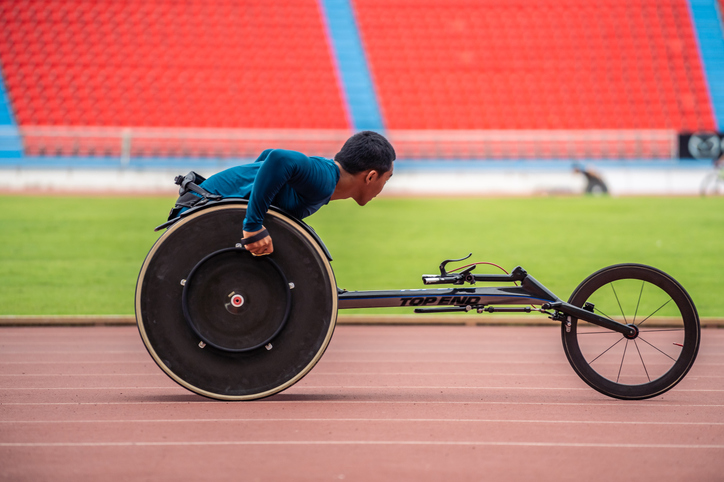
This can include running blades, adaptive bikes, customised wheelchairs, stabilising braces, compression wear designed for prosthetic use, and tailored sports clothing that accommodates medical devices or mobility aids.
While this equipment allows athletes to perform at elite levels, it often comes with high price tags and long wait times. Some items take months to manufacture and require frequent adjustments as an athlete’s body changes or performance improves.
Is Adaptive Sports Gear More Expensive?
In many cases, yes. Customisation, limited production runs, and specialised materials all contribute to higher costs. Unlike mainstream sportswear, adaptive gear is rarely mass produced, which keeps prices high and availability low.
For Paralympians without major sponsorships, these costs are often covered personally. Even athletes competing at international levels report spending thousands each year just to maintain their equipment.
The irony is that while adaptive athletes are celebrated during major sporting events, the systems supporting their daily training often lag far behind.
Accessibility Is Still a Major Challenge
Finding adaptive gear is not just about cost. Availability is another major issue. Many Paralympians report struggling to find retailers who understand their needs or offer knowledgeable fittings.
This is where the single shoe conversation becomes symbolic of a larger problem. If brands are unwilling to make small logistical changes, it raises questions about how seriously they are listening to adaptive athletes as consumers and competitors.
Inclusive design requires consultation, flexibility, and a willingness to rethink standard practices that no longer serve everyone.
Why This Matters Beyond Elite Sport
While Paralympians are at the centre of this conversation, the impact extends far beyond elite competition. Recreational athletes, children with limb differences, and everyday consumers with mobility needs face the same challenges when buying sports gear.
Changes like selling single shoes or offering modular equipment options would benefit a far wider community than many brands realise.
Adaptive design is not niche. It is simply good design that works for more bodies.
What Athletes Are Asking For
Paralympians are not demanding luxury solutions. They are asking for practical options that reflect how they actually use gear.
This includes the ability to purchase single shoes, access to wider size ranges, transparent pricing for custom equipment, and greater involvement in product testing and development.
The growing visibility of these conversations suggests that athletes are no longer willing to quietly adapt to systems that were never built for them.
A Shift That Feels Overdue
The campaign around single shoe sales has sparked a wider discussion about fairness, access, and inclusion in sport. It has reminded fans that Paralympic excellence is achieved not just through talent and training, but often despite logistical and financial barriers.
As adaptive sport continues to grow in popularity and visibility, pressure is mounting on brands to evolve alongside it. For many athletes, meaningful progress starts with being able to buy the gear they actually need.