How to Teach Kids About Nutrition Without Pressure in 2026
In 2026, family nutrition is shifting in a big way. Instead of strict rules, calorie counting, or “good” and “bad” food labels, more parents are focusing on food education at home that feels positive, practical, and pressure-free. Teaching kids about nutrition doesn’t have to mean lectures at the dinner table. In fact, the most effective lessons often happen quietly, through everyday habits.
The goal isn’t to raise perfect eaters. It’s to help children feel confident around food, understand how it fuels their bodies, and build healthy habits that last well beyond childhood.
Why Food Education Matters More Than Ever in 2026
Kids today are growing up surrounded by mixed messages about food. Social media trends, wellness culture, and diet talk can create confusion and anxiety at a young age. Food education at home helps cut through that noise.
By teaching kids where food comes from, how it supports their bodies, and how to listen to hunger and fullness cues, parents can encourage a balanced relationship with food. Research consistently shows that pressure, restriction, and fear-based messaging backfire, while curiosity and involvement build trust and confidence.
Shift the Focus From Rules to Curiosity
One of the biggest changes in family nutrition advice for 2026 is moving away from rigid food rules. Instead of telling children what they can or cannot eat, experts recommend focusing on curiosity.
Simple conversations such as “How does this food make you feel?” or “What do you notice about this meal?” invite kids to engage without judgment. This approach helps children understand nutrition as something that supports their energy, mood, and growth rather than something they need to control or fear.
Get Kids Involved in Everyday Food Decisions
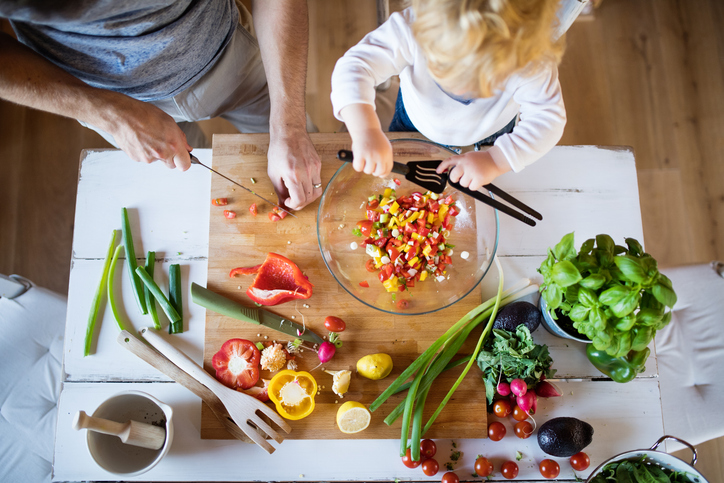
Hands-on involvement is one of the most effective ways to teach kids about nutrition. When children help choose meals, shop for groceries, or prepare food, they naturally learn about ingredients, balance, and variety.
In 2026, many families are turning cooking into a shared activity rather than a chore. Letting kids wash vegetables, stir sauces, or assemble their own meals gives them ownership and makes them more open to trying new foods. Even small choices, like picking a fruit for snack time, help build confidence and independence.
Talk About What Food Does, Not What It Is
A helpful strategy for teaching kids about nutrition without pressure is to focus on function rather than labels. Instead of calling foods “healthy” or “unhealthy,” parents can talk about what foods do in the body.
For example, carbohydrates help give us energy, protein helps muscles grow, and fats help keep us full and satisfied. This kind of language supports food education for kids while avoiding shame or restriction. It also encourages variety, which is a key part of balanced family nutrition in 2026.
Model the Relationship With Food You Want Them to Have
Children learn more from what they see than what they’re told. In 2026, nutrition experts continue to emphasise the importance of modelling balanced behaviour around food.
This means enjoying a wide range of foods, eating regular meals, and avoiding negative self-talk about weight or body image. When kids see adults enjoying food without guilt or stress, they’re more likely to develop a healthy mindset themselves.
Make Mealtimes About Connection, Not Control
Family meals don’t have to be perfect to be meaningful. In fact, the best food education often happens when mealtimes feel relaxed and social.
Creating a positive atmosphere at the table encourages kids to listen to their bodies and try new foods at their own pace. In 2026, many families are prioritising connection over control, focusing on conversation and togetherness rather than what or how much a child eats.
Answer Nutrition Questions Honestly and Simply
Kids are naturally curious, and questions about food are a good sign. When children ask why they need vegetables or why sweets exist, honest and age-appropriate answers go a long way.
There’s no need to overcomplicate explanations. Simple, straightforward responses build trust and help kids feel safe asking questions. This openness supports long-term food confidence and helps children develop critical thinking skills around nutrition.
Encourage Listening to Hunger and Fullness Cues
Teaching kids to recognise hunger and fullness is a cornerstone of modern family nutrition. Instead of insisting they finish everything on their plate, parents can encourage children to check in with their bodies.
In 2026, this approach aligns with intuitive eating principles that support both physical and mental wellbeing. When kids learn to trust their cues early, they’re more likely to maintain a healthy relationship with food as they grow.
Food Education Is a Long-Term Conversation
Teaching kids about nutrition isn’t a one-time lesson. It’s an ongoing conversation that evolves as children grow. What matters most is consistency, patience, and a supportive environment.
By focusing on curiosity, involvement, and connection, families can make food education at home feel natural and enjoyable. In 2026, the healthiest families aren’t the ones following strict rules, but the ones raising kids who feel confident, capable, and relaxed around food.