
New Year’s Eve Traditions Around the World (and Which Ones to Try at Home)
New Year’s Eve is celebrated in countless ways around the world, yet almost every tradition shares the same intention: to release the old and welcome the new with hope.
Exploring global New Year’s Eve traditions can add a sense of play and meaning to the night, especially if you are looking for something different from the usual routine. Many of these rituals are simple, symbolic, and surprisingly easy to recreate at home.
Why Traditions Matter at the Turn of the Year
Traditions help us mark time in a way that feels tangible. They offer structure to an emotional moment and create a sense of continuity, even as everything else changes.
Across cultures, New Year’s Eve traditions often focus on luck, renewal, and protection, reflecting universal hopes for health, happiness, and abundance in the year ahead.
Spain: Eating Grapes for Good Luck
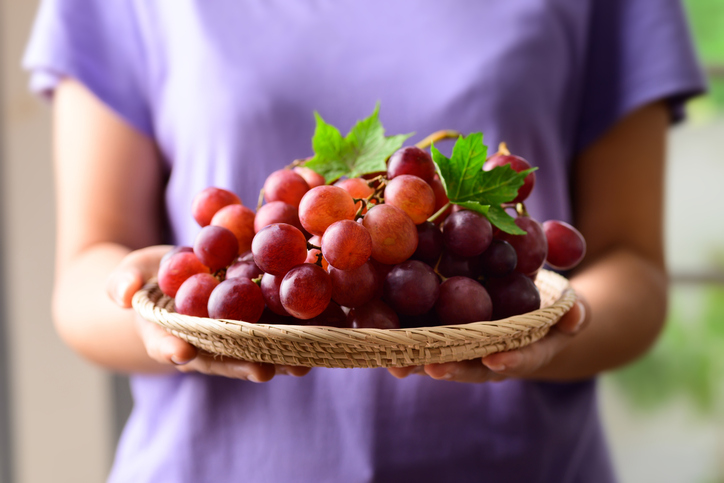
In Spain, it is customary to eat twelve grapes at the stroke of midnight, one for each month of the coming year. Each grape represents a wish for good fortune.
This tradition is playful and slightly chaotic, making it perfect for groups. At home, you can adapt it by pairing each grape with a personal intention or reflection for the year ahead.
Japan: Welcoming the New Year With Quiet Reflection
In Japan, New Year celebrations tend to be calm and reflective. Temple bells are rung 108 times to symbolise the release of earthly desires, and families focus on cleansing both their homes and their minds.
You can borrow this spirit by spending part of New Year’s Eve decluttering, tidying, or journaling. Starting the new year in a clean, calm space can feel deeply restorative.
Brazil: Dressing in White for Renewal
In Brazil, many people wear white on New Year’s Eve to symbolise peace and new beginnings. Celebrations often take place near the sea, where offerings are made and waves are jumped for luck.
At home, wearing white or lighting white candles can become a simple ritual of renewal. It serves as a visual reminder that the new year is a fresh start.

Scotland: First Footing and Fresh Beginnings
In Scotland, the tradition of first footing involves the first person to enter a home after midnight bringing symbolic gifts such as bread or coal, representing prosperity and warmth.
You can adapt this by preparing a small token for your household or guests, symbolising what you hope the year will bring. It is a beautiful way to focus on generosity and intention.
Denmark: Breaking Plates to Invite Good Fortune
In Denmark, people traditionally throw old plates against the doors of friends and family. The more broken plates you find, the more loved and lucky you are believed to be.
While you may not want to smash crockery, you can reinterpret the idea by letting go of something old. Writing down habits or thoughts you are ready to release and tearing them up can feel surprisingly cathartic.
Making Global Traditions Your Own
You do not need to follow any tradition perfectly for it to be meaningful. The power lies in the intention behind the action.
Choosing one or two rituals that resonate with you allows you to personalise the night while feeling connected to something larger than yourself. It turns New Year’s Eve into a shared human experience rather than a performance.
A New Year’s Eve That Feels Rich With Meaning
Borrowing traditions from around the world can bring depth and curiosity to your New Year’s Eve, especially if you are craving something more thoughtful than routine.
Whether you eat grapes, light candles, clean your space, or simply pause to reflect, these small rituals remind us that welcoming a new year is not about doing more. It is about noticing the moment and stepping forward with intention.