How to Get Over Road Rage and Drive More Calmly
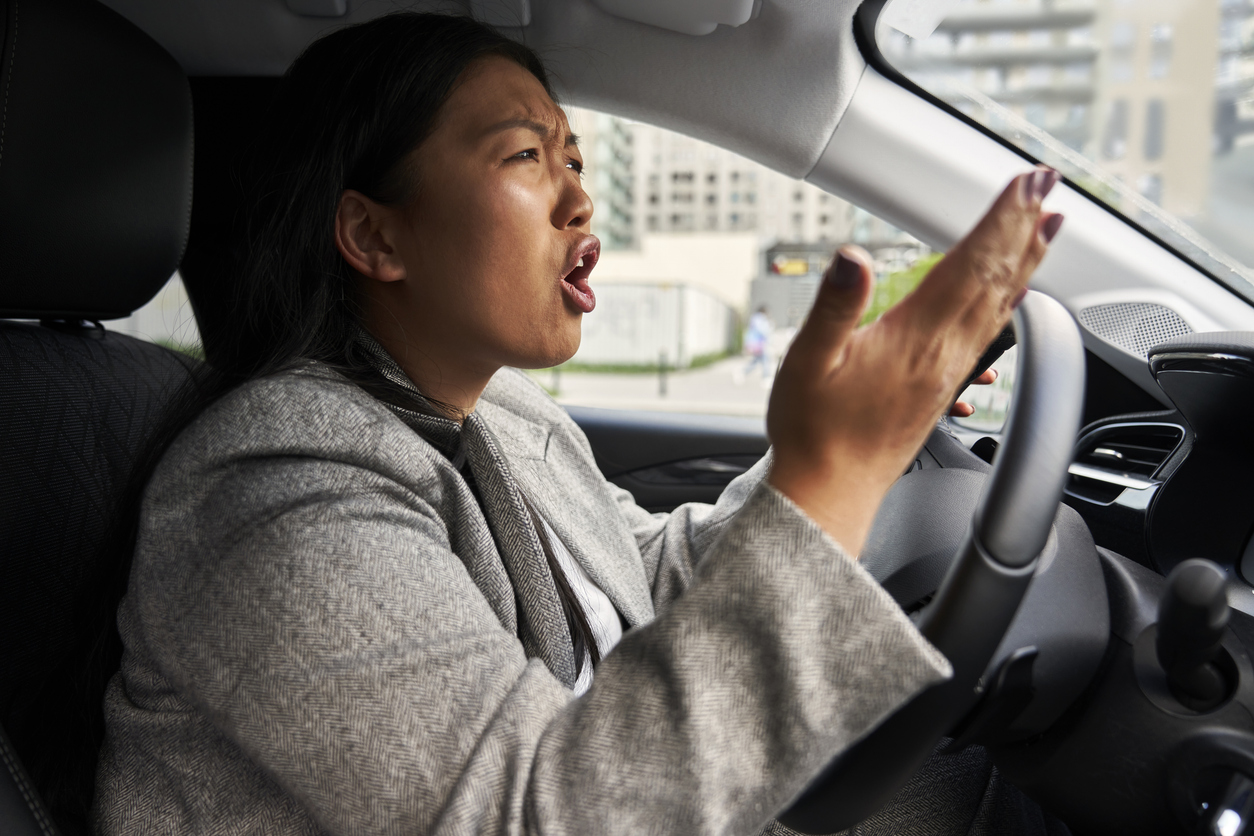
Road rage is more common than many drivers like to admit. Heavy traffic, long delays, and the behaviour of other drivers can quickly turn frustration into anger. Learning how to get over road rage is not about ignoring your emotions, but about understanding them and finding healthier ways to manage stress behind the wheel.
Understanding Why Road Rage Happens
Road rage rarely comes from a single incident. It often builds gradually as stress from everyday life follows us into the car. Feeling rushed, tired, or overwhelmed can lower patience levels, making small driving mistakes feel personal or intentional. When you recognise that your emotional state affects how you react on the road, it becomes easier to interrupt the cycle before it escalates.
The Risks of Driving While Angry
Driving requires focus, awareness, and quick decision-making. Anger interferes with all three. When emotions take over, drivers are more likely to speed, tailgate, or react impulsively. These behaviours not only increase the risk of accidents but can also lead to confrontations that escalate quickly. Staying calm is not just about being polite — it is a critical part of road safety.
Learning to Pause and Reset While Driving
One of the most effective ways to reduce road rage is learning how to pause mentally, even when you cannot physically stop the car. Slowing your breathing, relaxing tense muscles, and reminding yourself that delays are rarely within your control can help reset your emotional state. Shifting your focus from frustration to safety allows you to regain control of the situation.
Changing How You Interpret Other Drivers’ Behaviour
Many drivers assume aggressive intent when others make mistakes. In reality, most errors are the result of distraction, poor judgement, or unfamiliar roads. Choosing to interpret these actions as unintentional can significantly reduce anger. This mindset does not excuse bad driving, but it does protect your own emotional well-being.
Building Long-Term Calm Driving Habits
Reducing road rage is easier when you address the underlying causes. Leaving earlier, getting enough sleep, and managing stress outside the car all play a role. Creating a calmer driving environment with relaxing music or engaging audio can also make a noticeable difference. Over time, patience becomes a learned habit rather than a forced response.
When Driving Anger Signals a Bigger Issue
If anger behind the wheel feels overwhelming or difficult to control, it may reflect deeper stress or anxiety. Acknowledging this is not a weakness — it is an opportunity to improve both your driving experience and overall quality of life. Seeking support or stress-management strategies can lead to safer, calmer journeys.
Final Thoughts on Overcoming Road Rage
Road rage adds nothing positive to your journey. Learning to drive calmly improves safety, reduces stress, and makes everyday travel more enjoyable. By choosing patience over reaction, you protect yourself and contribute to safer roads for everyone.