
Inside the Royal Dress Code: What the Royals Can and Can’t Wear
Why Royal Dress Codes Still Matter
In an age where personal style is celebrated, royal dress codes may seem outdated, even restrictive. Yet for monarchies, clothing remains a powerful tool of communication. What a royal wears is rarely about trends or self-expression. Instead, it reflects duty, diplomacy and tradition. From state banquets to walkabouts, outfits are carefully chosen to project stability, respect and continuity values that remain central to royal life.
The British Royal Dress Code Explained
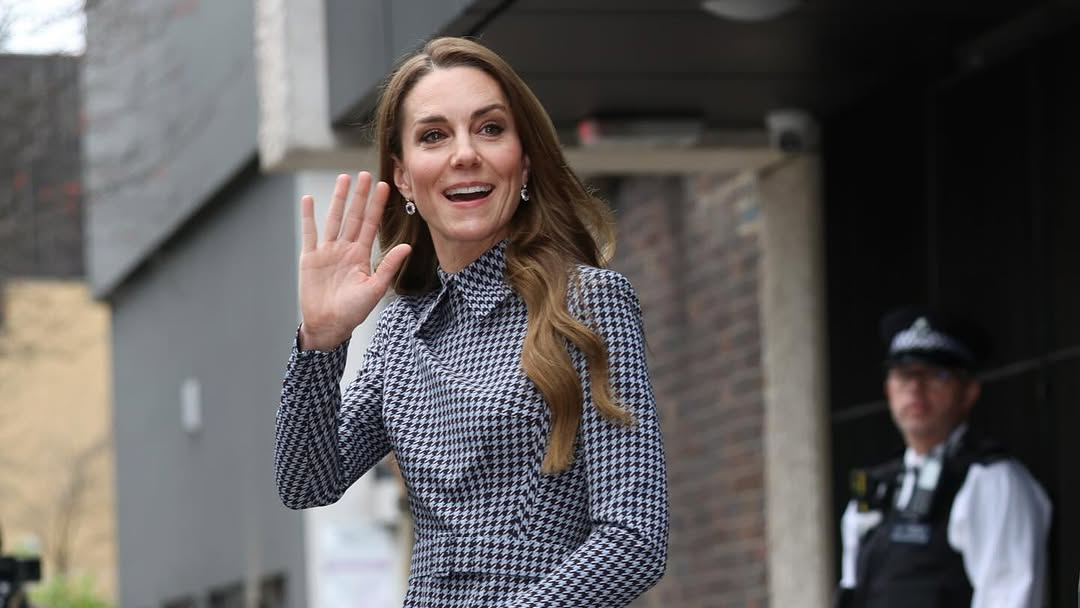
The British royal family follows one of the most closely scrutinised dress codes in the world. For senior working royals, clothing must always reflect the institution they represent. Daytime engagements typically call for tailored silhouettes, modest hemlines and structured outerwear. Bold colours are often favoured, not as a fashion statement, but to ensure visibility in large crowds.
Women are expected to dress conservatively at official events, avoiding revealing cuts, extreme trends or casual footwear. Hats or fascinators are traditionally worn at formal daytime occasions such as weddings, garden parties and state ceremonies. In the evening, floor-length gowns are customary, with tiaras reserved for the most formal occasions.
Men follow similarly strict guidelines, wearing suits or military dress during the day and black tie or white tie attire for evening events. Even details such as tailoring, buttons and accessories adhere to long-standing conventions.
The Unspoken Rules: Hosiery, Hair and Makeup
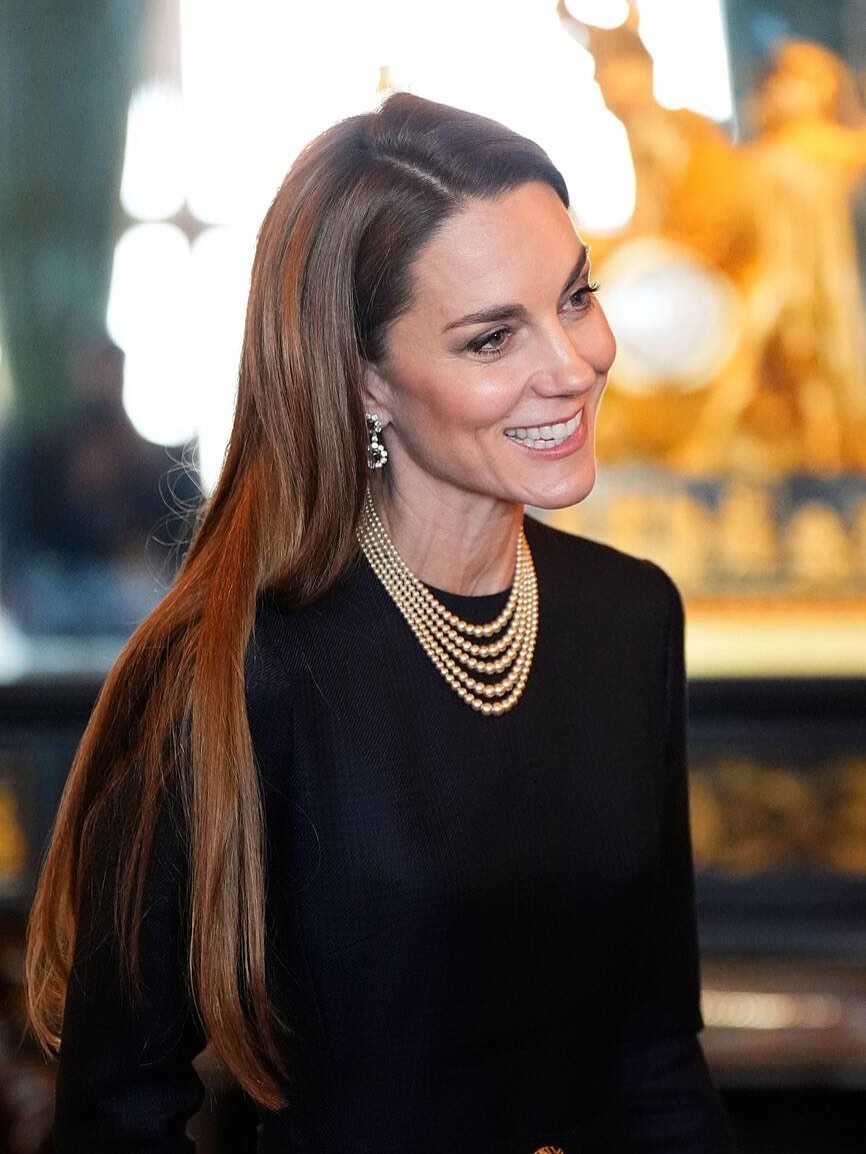
Some royal dress expectations are not officially written but are widely understood. Hosiery has long been considered standard for women, reinforcing a polished and formal appearance. While younger royals have occasionally moved away from this tradition, it remains a common choice at formal engagements.
Beauty rules also lean toward subtlety. Neutral manicures, understated makeup and classic hairstyles are preferred, ensuring that appearance never distracts from the royal role. The emphasis is always on looking composed rather than fashion-forward.
Why Neutral Colours and Modesty Dominate
Royal wardrobes are designed with longevity in mind. Neutral tones and classic designs photograph well and avoid dating images that may be viewed decades later. Modesty also plays an important diplomatic role. During international visits, clothing must respect local customs and cultural sensitivities, making conservative styling both practical and symbolic.
In many cases, outfits are chosen to send subtle messages from supporting British designers to wearing national colours during overseas visits. Fashion becomes a quiet form of diplomacy.
How Dress Codes Compare Across Global Monarchies
While the UK’s royal style is highly visible, other monarchies follow similar principles, shaped by culture and tradition.
In Sweden, royal fashion is slightly more relaxed and contemporary, particularly among younger members, though formality remains essential at ceremonial events. Spain’s royal family favours elegant tailoring and timeless European fashion, maintaining a refined but modern aesthetic.
Japan’s imperial family adheres to one of the strictest dress codes in the world. Attire is deeply rooted in tradition, with limited variation in colour, style or silhouette. Clothing choices reflect hierarchy, occasion and cultural heritage.
Middle Eastern royal families often blend traditional dress with modern luxury. Modesty remains central, but ceremonial garments carry strong cultural meaning and differ significantly from Western royal attire.
Who Decides What Royals Wear?
Royal wardrobes are rarely spontaneous. Outfits are often planned months in advance with the help of advisors, stylists and protocol officers. For major events or international tours, every detail is considered carefully to avoid cultural missteps or political messaging.
This behind-the-scenes planning ensures consistency and respect, reinforcing the idea that royal fashion serves a purpose beyond aesthetics.
Are Royal Dress Codes Changing?
While tradition remains firmly in place, modern royals are finding subtle ways to personalise their style. Sustainable fashion choices, repeated outfit wear and support for emerging designers have become more common. However, these shifts happen within the framework of long-standing rules.
Royal dress codes may feel less rigid than they once were, but their foundations remain unchanged. Modesty, appropriateness and respect continue to guide every appearance.
More Than Fashion, a Reflection of Duty
Royal dress codes are about far more than clothing. They reflect responsibility, history and the expectations placed on those who represent a nation. While trends come and go, royal style remains rooted in symbolism, proving that what the royals wear still matters — not just to fashion watchers, but to the institution itself.