
Behind the Glitz: What the Met Gala Board Does and Why It Matters
The Met Gala is one of the most iconic nights in fashion and culture — a dazzling blend of celebrity, creativity, and couture that raises millions for the Metropolitan Museum of Art’s Costume Institute. But behind the sequins, cameras, and red carpet looks lies a structured team of organizers, visionaries, and cultural leaders who shape how this event happens and why it continues to captivate the world. Central to this effort is what is often referred to as the Met Gala board — a group of influential figures whose roles blend fundraising, artistic direction, and cultural stewardship.
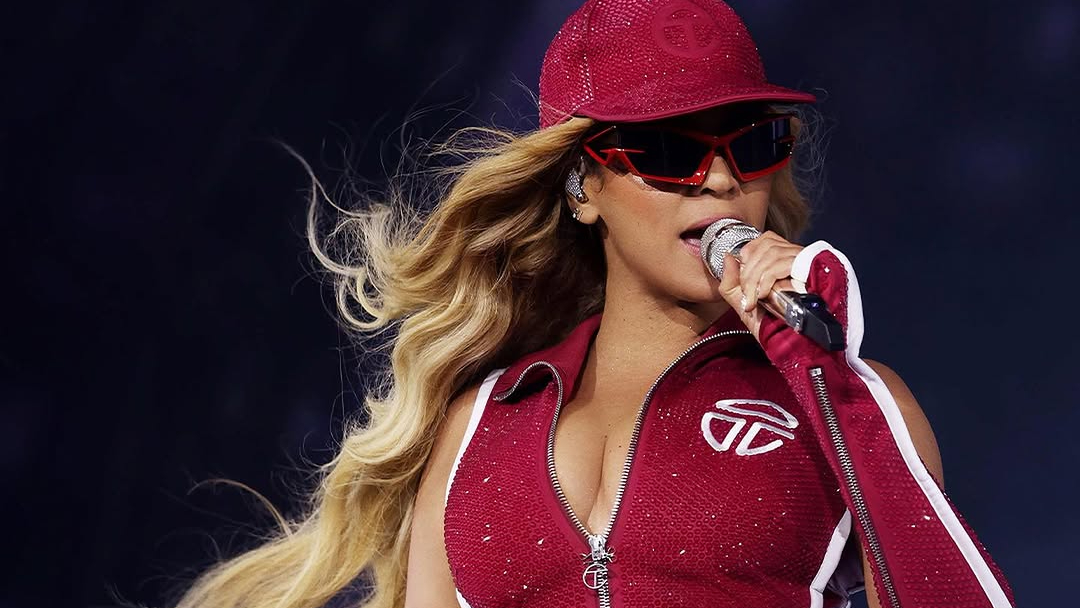
While a recent Hollywood Reporter headline spotlighted Beyoncé, Nicole Kidman, and Venus Venus in connection with the upcoming 2026 Gala, unpacking what it means to be involved requires understanding the broader context of the event’s leadership structure.
What Is the Met Gala Board?
The Met Gala board, often called the benefit committee or chairing committee, is a rotating group of high-profile celebrities, designers, philanthropists, and cultural leaders who assist the Costume Institute in planning, promoting, and fundraising for the annual Gala. The Gala’s official purpose is to raise funds for the Costume Institute’s exhibitions, acquisitions, and operations. It also serves as the grand opening for the institute’s annual fashion exhibit.
Board members support the Met Gala in several key ways:
Strategic Fundraising: One of the primary responsibilities of the board is to help raise the substantial funds required for the Costume Institute’s work. The Met Gala is a benefit — meaning it does more than celebrate fashion; it finances scholarships, exhibitions, and acquisitions that preserve fashion history.
Cultural Ambassadorship: Board members often serve as ambassadors for the Costume Institute’s annual theme. They help interpret and popularize the artistic direction of the exhibition, often influencing how fashion is understood in a cultural or historical context.
Visibility and Influence: Many board members are chosen precisely because of their cultural reach. Celebrities, designers, and high-profile figures bring media attention and global visibility to the Gala, helping it dominate fashion and entertainment headlines every spring.
Creative Collaboration: Some board members participate in pre-Gala events, creative discussions about the exhibition theme, and even the visual or narrative presentation of the Gala itself. Their influence can extend into how designers and stylists approach their red carpet looks.
How Board Members Are Chosen
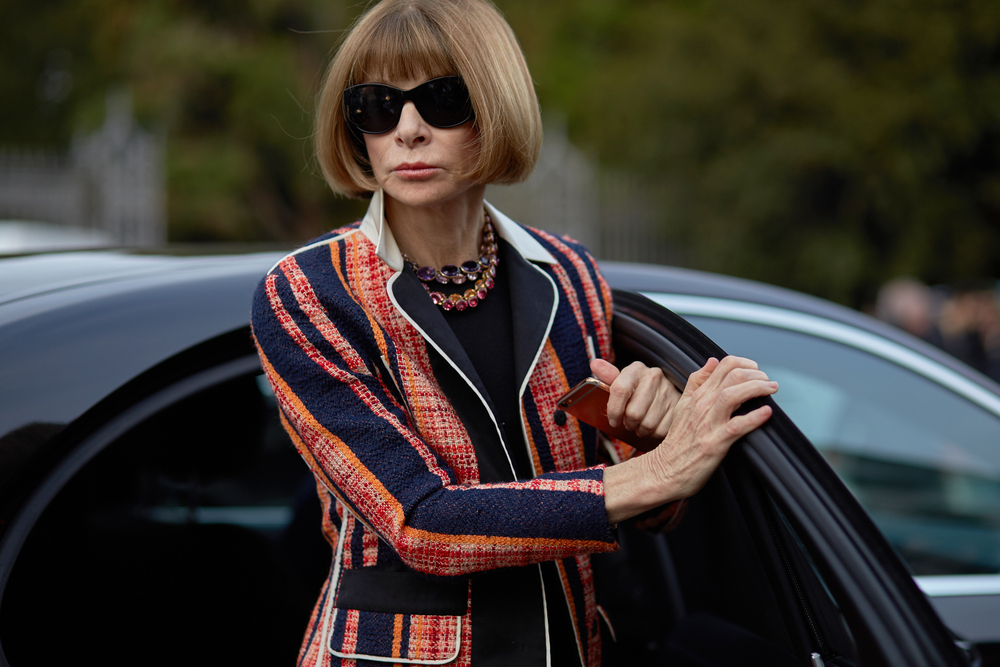
The Met Gala board is typically curated by the Costume Institute and the Metropolitan Museum of Art leadership, often in collaboration with Anna Wintour, who has served as the Gala Chair for decades. Selection criteria tend to include:
Cultural Relevance: Individuals who have an impact on fashion, entertainment, or cultural dialogue are natural fits.
Philanthropic Engagement: Potential board members are often people who are already engaged in fundraising or have the capacity to support philanthropic causes.
Creative Influence: Actors, artists, musicians, designers, and other creatives who shape style and cultural trends are prime candidates.
Frequently the board is announced alongside the annual exhibition theme, and members may serve as co-chairs alongside the museum’s leadership. High-profile co-chairs help to frame the narrative of the Gala, encouraging designers and attendees to interpret the theme in compelling and imaginative ways.
What It Means to Be a Board Member
For a celebrity like Beyoncé or Nicole Kidman, being named to the Met Gala board or serving as a co-chair is both an honor and a form of cultural leadership. It signals:
Recognition of Influence: These roles acknowledge not just celebrity status but cultural impact — they place individuals at the center of the fashion-art conversation for that year.
Creative Collaboration: Serving on the board often means engaging with designers, curators, stylists, and artists to interpret the Costume Institute’s theme in sophisticated, memorable attire.
Philanthropic Leadership: Members become ambassadors for the Costume Institute’s mission, using their platforms to spotlight the importance of preserving fashion history and supporting artistic education.
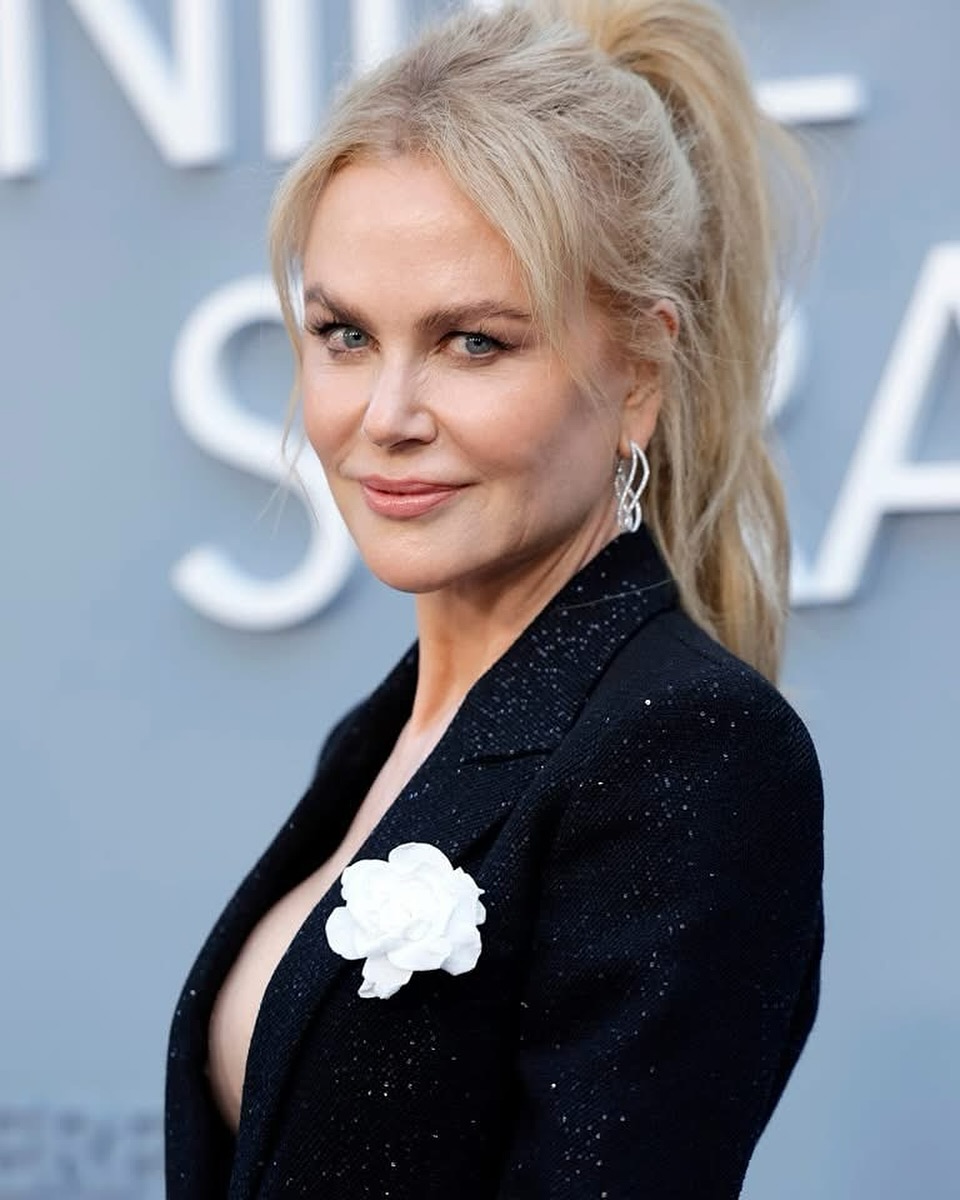
Nicole Kidman
Why Board Roles Matter to Fashion and Culture
The Met Gala is far more than a red carpet moment; it’s a cultural barometer. The board helps shape how fashion intersects with art, celebrity, and social conversation. With each year’s theme whether it’s exploring fashion history, social commentary, or artistic expression the board’s influence can be felt in everything from the exhibit itself to the red carpet dialogues that follow.
For audiences, learning who sits on the board and why provides insight into how fashion institutions are thinking about culture, identity, and influence. It also highlights how fashion and philanthropic work can intertwine in powerful ways.
The 2026 Board: What to Expect
Details surrounding the full 2026 board lineup and exhibition theme remain under wraps. However, recent reports connect Beyoncé, Nicole Kidman, and Venus Venus with the event, indicating a continued celebration of cultural icons who influence both style and storytelling. Their inclusion points to a Gala that will likely explore bold narratives perhaps touching on the intersection of fashion, music, cinema, and identity.
While specific roles and responsibilities for the 2026 board will be detailed closer to the event, the presence of these figures signals a Gala that blends tradition with contemporary cultural dialogue as the Met has done year after year.