
What’s Next in Nutrition: What 2026 Looks Like for Healthy Eating Trends
As we approach 2026, the nutrition landscape continues to evolve rapidly. While protein — once the centrepiece of many diets remains important, new trends are emerging that reflect changing consumer values: balance, gut health, sustainability, and overall well‑being. Food manufacturers, dietitians, and consumers alike are responding to shifting priorities. What emerges from this transition is a more holistic, diversified approach to nutrition that moves beyond simple high‑protein fixes.
Experts predict that nutrition in 2026 will be defined by more balanced, functional, and inclusive eating patterns — ones that consider not only muscle and weight management, but digestion, mental wellness, sustainability, and enjoyment of food.
Protein Remains — But With Smarter, Diverse Sources
“Powerhouse protein” continues to be a key trend heading into 2026. Nearly 60 % of global food and beverage consumers report actively incorporating more protein into their diets. High‑protein foods still appeal to many for muscle maintenance, weight management, energy, and health support.
However, the nature of that protein intake is shifting. Rather than just powders and processed “protein products,” there is growing interest in cleaner, less‑processed protein sources including sustainably produced plant proteins, fermentation-derived proteins, and hybrid formulations that meet ethical and environmental concerns.
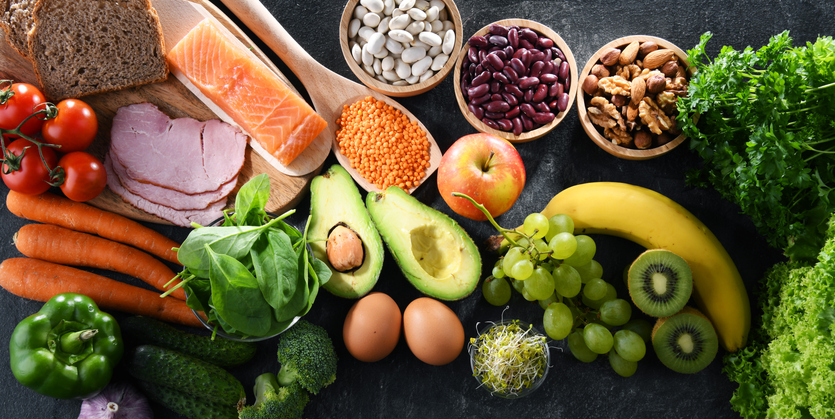
For many consumers, this means embracing plant‑based proteins from pea, hemp, chickpeas, or other legumes — or opting for balanced meals rich in natural proteins rather than relying exclusively on supplements or processed bars. The trend signals a move toward more mindful diets where protein supports health without dominating it.
Gut Health, Fibre, and Functional Nutrition Take Centre Stage
As interest in holistic wellness grows, gut health is becoming a major priority for 2026 diets. Functional foods and beverages designed to support digestion, immunity, and overall well‑being are on the rise. Prebiotics, probiotics, fibre-rich foods, and microbiome‑friendly meals are increasingly popular.
Fibre, long under‑consumed in many Western diets, is now viewed as essential for supporting gut function, stable energy levels, healthy digestion, and even mood regulation. People are gravitating toward whole grains, legumes, vegetables, seeds, nuts — and away from ultra‑processed snacks. This shift aligns with wider awareness that health is more than macros — it’s about how food affects the whole body.
Functional nutrition is also expanding beyond gut health. Foods and drinks designed to support brain health, stress resilience, hydration or overall vitality are becoming more common. Consumers in 2026 seem set to look for nutrition that supports long‑term wellness rather than quick fixes.
From Diet Extremes to Balanced Nutrition: Moderation Over Maxxing Out
Where the last decade saw extremes high‑protein diets, strict low-carb regimens, sometimes faddish patterns — 2026 appears to mark a shift toward moderation and balanced eating. Trends that prioritized “maxxing out” on a single nutrient are giving way to diets that emphasize a broader spectrum of nutrients, whole foods, and eating patterns that fit real life.
This doesn't mean protein or fibre will disappear. Rather, these nutrients will be absorbed into everyday eating as standard parts of a wholesome diet. The intent is no longer about hitting extremes, but achieving sustainable nourishment and overall health through varied, nutrient‑rich foods.
Plant‑Based and Alternative Nutrition Continues to Expand
The rise of plant-based, flexitarian and alternative-protein diets is expected to continue into 2026. Environmental concerns, ethics, and sustainability are driving more people to explore plant-based proteins or hybrid foods that combine plant and novel protein sources.
This broader shift makes nutritious eating more inclusive — accommodating vegan and vegetarian diets, dietary restrictions, and those simply looking to reduce environmental impact. As plant‑based proteins become more accessible and palatable, they are likely to be a key part of mainstream nutrition in 2026.
Convenience, Clean Labels and Functional Foods Meet Modern Lifestyles
Modern life is busy, and nutrition in 2026 is increasingly shaped by convenience but without compromising quality. Clean‑label foods, minimally processed ingredients, and transparency are gaining consumer trust. People want foods that support their health but also fit a fast-paced lifestyle.
Functional foods and beverages from gut‑friendly drinks to nutrient-dense snacks — are predicted to become staples rather than niche products. As consumers demand transparency around ingredients and nutritional benefit, brands are innovating accordingly to deliver smarter nutrition that aligns with long-term health, environmental values, and modern life rhythms.
What This Means for Everyday Nutrition in 2026
Nutrition in 2026 is likely to feel less like dieting and more like lifestyle a balanced, flexible, whole-foods–centric approach rather than a rigid regime. People may structure their meals around real, whole-food ingredients that deliver protein, fibre, and micronutrients naturally. They might choose plant-based protein once or twice a week, integrate more fibre and gut‑supportive foods, prioritize hydration and nutrient density, and pay attention to food origins and processing levels.
Meal planning might become simplified but smarter: basic meals rich in protein and fibre, occasional functional foods or drinks, and a consistent emphasis on overall nutrition and well‑being rather than quick results. Nutrition becomes a sustained, holistic practice rather than a trend or a temporary phase.