Fitness in Your 60s: Why Staying Active Matters More Than Ever
Reaching your 60s is not a signal to slow down — in fact, it’s one of the most important times in life to stay physically active. Regular exercise in later life helps protect independence, improve quality of life, and reduce the risk of many age-related conditions. Far from being dangerous, movement is one of the most powerful tools for staying strong, mobile and confident as we age.
Modern research consistently shows that staying active in your 60s and beyond can support stronger muscles, healthier bones, better balance and improved mental wellbeing.
Why Exercise Becomes Essential After 60
As we age, the body naturally loses muscle mass, bone density and flexibility. This process can lead to weakness, poor posture, reduced mobility and a higher risk of falls. Without regular movement, these changes tend to accelerate.
Exercise helps slow down and even reverse some of these effects. Strength training in particular has been shown to improve muscle tone, increase bone strength and support healthier joints. Regular movement also helps regulate blood pressure, support heart health and maintain healthy blood sugar levels.
Exercise at this stage of life isn’t about appearance — it’s about preserving strength, confidence and freedom.
Strength Training: A Key Tool for Healthy Ageing
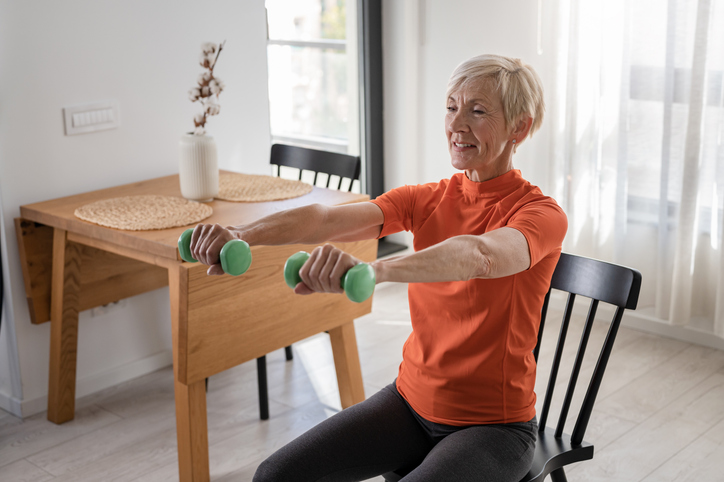
One of the most important forms of exercise for people in their 60s is strength training. This doesn’t mean heavy lifting in a gym. It can include resistance bands, light dumbbells, bodyweight exercises and controlled movements.
Strength training helps keep muscles active and responsive, which directly supports balance and coordination. This can significantly reduce the risk of falls and injuries. It also makes everyday activities like climbing stairs, carrying groceries and standing up from a chair easier and safer.
Research shows that even people who start strength training later in life can build muscle and improve physical function.
The Mental Health Benefits of Staying Active
Exercise doesn’t just strengthen the body it supports the mind as well. Regular activity has been linked to lower levels of anxiety and depression, better sleep, and improved mood.
In your 60s, staying active can provide a strong sense of routine, purpose and social connection. Group classes, walking clubs or fitness sessions can reduce feelings of isolation, which often become more common with age.
Movement also helps maintain cognitive function by improving blood flow to the brain.
The Best Types of Exercise for Your 60s
A balanced fitness routine in your 60s should include several types of movement. Strength-building exercises help preserve muscle and bone health. Aerobic activities such as walking, swimming or cycling support heart and lung function. Balance-focused movements reduce fall risk, while stretching and mobility work help keep joints flexible and pain-free.
The goal is consistency, not intensity. Gentle, regular movement is more effective than occasional high-effort workouts.
How to Start or Restart Exercising Safely
Starting an exercise routine later in life doesn’t require perfection. It starts with simple, manageable steps.
Begin with short sessions and low-impact activities. Focus on good technique rather than speed or heavy resistance. Listen to your body and allow time for recovery. If you have any long-term health conditions or injuries, speaking to a healthcare professional or physiotherapist before starting is a smart and safe approach.
Progress should feel steady and encouraging, not exhausting or intimidating.
Why It’s Never Too Late to Get Fit
One of the biggest myths about fitness is that it’s “too late” once you reach a certain age. In reality, people in their 60s, 70s and beyond can still build strength, improve flexibility and increase stamina.
The body responds to movement at every stage of life. Muscles can strengthen, balance can improve, and energy levels can rise with regular, well-structured activity.
Every small step makes a difference.
Final Thoughts: Movement Is a Lifelong Investment
Fitness in your 60s is about protecting your future. It’s about staying independent, confident and capable for as long as possible. Exercise isn’t about pushing limits — it’s about supporting your body so it can support you in everyday life.
Staying active is one of the most powerful choices you can make for healthy ageing, no matter when you start.