From Burnout to Balance: Why Everyone’s Turning Toward Low-Impact Fitness
The New Shift in How We Work Out
A few years ago, fast and furious workouts were everywhere. Bootcamps, all-out circuits and non-stop HIIT became the standard. But then something changed. People started feeling tired, burnt out or simply unmotivated by constant high-intensity pressure.
What emerged from that fatigue is a powerful movement toward low-impact fitness that prioritises longevity, alignment and sustainable strength. And it shows absolutely no signs of slowing down.
The Pilates Phenomenon
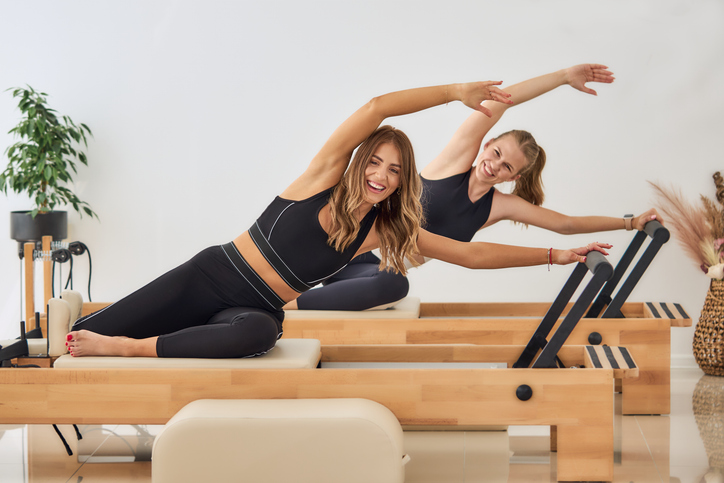
Pilates has surged in popularity, becoming one of the most sought-after workouts of 2025. The appeal is simple: it strengthens the body from the inside out. Rather than exhausting you, Pilates focuses on deep core control, posture, mobility and mindful movement.
People love the subtle burn, the slower pace and the sense of functional strength that carries into everyday life. Whether it's reformer classes, mat Pilates or the increasingly popular "power Pilates," the practice offers a sustainable, elegant way to build strength without the joint impact.
Why Barre Is Back
Barre classes, inspired by ballet training, have also seen a major revival. They combine low-impact strength work, micro-movements and high-repetition sculpting exercises that target muscles most workouts overlook.
The results are long, lean muscle definition, improved balance and surprisingly intense conditioning. Barre also appeals to people who want structure without intensity. It's rhythmic, grounding and sneakily challenging in a way that keeps you coming back.
A Gentler Approach With Big Benefits
Low-impact doesn’t mean low results. In fact, many people find they get stronger when they stop pushing themselves to the edge every session. The benefits are big and wide-ranging: improved posture, fewer injuries, better mobility and a calmer nervous system.
This style of training feels especially appealing in a world that’s constantly moving fast. Low-impact workouts offer a rare moment to slow down while still progressing.
Why This Trend Is Growing
There are a few reasons behind the rise. Recovery is now recognised as essential, not optional. People want workouts that enhance their quality of life, not sap their energy. And with more awareness around mental health, individuals are seeking movement that supports emotional balance as well as physical strength.
It’s a shift from punishment to empowerment, from exhaustion to longevity.
A More Balanced Future
Low-impact fitness is not a temporary trend. It's a lifestyle shift toward mindful, aligned movement that strengthens the body without overwhelming it. Whether through Pilates, barre, mobility flows or controlled strength training, people are discovering that slow and steady can be deeply transformational.
If high-impact training once defined fitness culture, low-impact is redefining what sustainable fitness can look like.